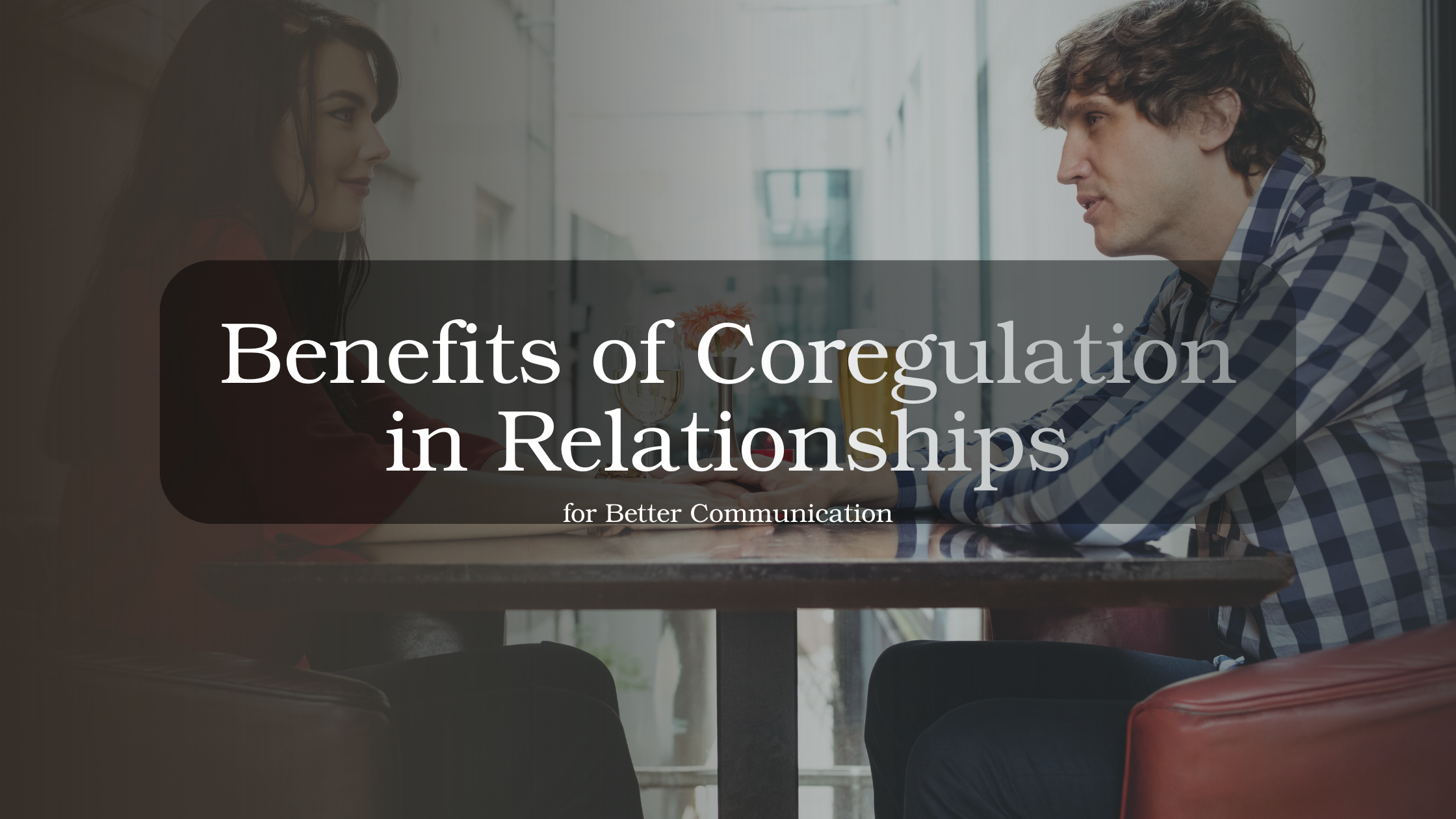
7 Benefits of Coregulation in Relationships for Better Communication
When two people share a relationship, their emotional worlds are constantly influencing each other. You might notice that your partner’s calm tone can ease your stress, or that your anxiety rises when they’re upset. This process is called coregulation, the ability of two people to help each other stay emotionally balanced through connection, empathy, and attunement.
In healthy relationships, coregulation happens naturally. Partners don’t have to be perfect or emotionless; rather, they learn to respond to each other’s emotional cues in a supportive way. This balance fosters trust, safety, and better communication.
Without coregulation, however, couples may find themselves stuck in cycles of conflict, defensiveness, and emotional distance. Instead of calming each other, they may unknowingly trigger each other’s fears and insecurities.
As a licensed clinical psychologist, Dr. Harel helps individuals and couples understand how emotional regulation within relationships directly affects communication, intimacy, and long-term satisfaction. By integrating evidence-based approaches rooted in attachment theory and somatic awareness, he teaches partners how to build emotional safety through coregulation.
Let’s explore the seven powerful benefits of coregulation and how it transforms the way couples connect and communicate.
1. Builds Emotional Safety
Coregulation lays the foundation for emotional safety, a sense of trust that allows both partners to be open and vulnerable. When one partner reacts calmly instead of defensively, it signals to the other person’s nervous system that it’s safe to express emotions without judgment.
For example, imagine a situation where one partner comes home stressed from work and snaps. A reactive response might escalate the situation. But a coregulated partner notices the tension and says, “You seem overwhelmed. Want to talk about it?” This calm acknowledgment helps the other person’s body relax, reducing tension and preventing conflict.
Over time, such responses build a consistent sense of security. Each partner learns that it’s safe to express themselves because the other won’t withdraw, attack, or shut down.
This emotional safety becomes the cornerstone of honest communication and intimacy, because when you feel safe, you can truly connect.
2. Improves Conflict Resolution
Arguments are inevitable in any relationship. But how couples handle them makes all the difference. When emotions run high, the brain’s “fight-or-flight” mode takes over, making rational discussion nearly impossible.
Coregulation helps interrupt this cycle. When one partner remains steady and grounded, it allows the other to settle down, too. This doesn’t mean suppressing emotions; it means managing them in a way that supports healthy dialogue.
For instance, taking a few deep breaths, lowering your tone, or pausing before responding can prevent emotional flooding. Over time, both partners learn to mirror each other’s calm responses, turning arguments into opportunities for understanding.
In therapy, Dr. Harel often teaches couples techniques like grounding exercises and coherent breathing, helping them recognize when their body is triggered and how to return to calm before resuming the conversation.
The result is a relationship where conflicts no longer destroy connection, they strengthen it.
3. Strengthens the Emotional Bond
Every relationship thrives on emotional connection. Coregulation strengthens this bond by creating a rhythm of mutual care. When partners consistently show up for each other with empathy and patience, they reinforce the message: “You’re not alone.”
This emotional reciprocity leads to physiological benefits as well. When partners connect through eye contact, gentle touch, or kind words, their brains release oxytocin, often called the “bonding hormone.” It lowers cortisol (the stress hormone) and increases feelings of closeness and trust.
Over time, this creates a deep emotional intimacy that extends beyond words. Even simple gestures, like holding hands during stress or offering a reassuring smile, become powerful ways to soothe and connect.
Couples who practice coregulation don’t just communicate better; they feel more connected, supported, and loved.
4. Enhances Empathy and Understanding
Empathy is one of the strongest outcomes of coregulation. When you’re attuned to your partner’s emotional state, you can respond with sensitivity instead of assumptions.
In relationships without coregulation, partners often misinterpret each other’s emotions. One might withdraw thinking the other is angry, while they’re actually anxious or hurt. But when you’re emotionally tuned in, you can sense the difference between frustration, sadness, or fear.
This level of understanding prevents miscommunication and strengthens emotional clarity.
Dr. Harel emphasizes empathic attunement, the practice of noticing nonverbal cues such as tone, pace, and facial expression, to help partners “read” each other better. When empathy becomes the default mode, conversations turn from blame to collaboration.
Instead of reacting, partners learn to respond with curiosity and compassion: “I can see this is really upsetting for you. Can you help me understand what’s happening?”
Such small changes create big shifts in the quality of connection.
5. Promotes Emotional Maturity
Coregulation doesn’t mean one partner is responsible for the other’s emotions, it’s about mutual regulation. Each person learns to manage their own feelings while supporting their partner’s emotional balance.
This process naturally promotes emotional maturity. You begin to recognize your triggers, communicate your needs calmly, and take responsibility for your reactions. Instead of expecting your partner to “fix” your emotions, you co-create stability together.
For example, one partner might say, “I’m feeling anxious, and I need a little time to calm down before we talk.” This type of communication prevents escalation and models self-awareness.
Through therapy, couples often learn emotional differentiation, understanding where one person’s emotions end and the other’s begin, while still maintaining connection. It’s a balance between autonomy and intimacy.
6. Reduces Stress and Improves Overall Wellbeing
Our nervous systems are wired to respond to connection. When we feel supported, our bodies move from a state of stress to one of safety. This physiological shift has measurable health benefits, reduced blood pressure, improved sleep, and better emotional resilience.
Coregulation creates this effect naturally. Just as a baby calms when held by a caregiver, adults also regulate through touch, tone, and presence. Couples who practice consistent coregulation experience fewer stress-related symptoms and report higher relationship satisfaction.
In fact, research from relationship neuroscience shows that emotional synchronization, when partners’ heart rates, breathing, or even brain patterns align, strengthens both physical and emotional wellbeing.
By learning to coregulate, couples not only nurture their relationship but also improve their overall health.
7. Creates a Foundation for Secure Attachment
Attachment theory suggests that secure relationships form when emotional needs are met consistently and lovingly. Coregulation is the mechanism that creates and maintains this security.
When one partner responds with empathy and steadiness during stress, it reassures the other: “I can depend on you.” Over time, these consistent responses reduce insecurity, fear of abandonment, and anxiety within the relationship.
Couples with strong coregulation tend to have healthier communication patterns, faster recovery from conflicts, and a greater sense of partnership.
As Dr. Harel explains, “Secure attachment doesn’t mean no conflict, it means knowing that even after conflict, connection will be restored.”
How Dr. Harel Helps Couples Learn Coregulation
In his sessions, Dr. Harel integrates attachment-based therapy, mindfulness techniques, and somatic awareness to help couples rebuild emotional connection. His approach focuses on identifying emotional triggers and teaching partners to recognize the body’s stress signals before they escalate.
Through guided exercises, partners learn to:
- Notice each other’s emotional cues in real time
- Use calming touch or tone to reduce emotional flooding
- Replace reactive patterns with grounding techniques
- Develop shared rituals of connection, like evening check-ins or mindful breathing together
By combining relational insight with practical tools, Dr. Harel helps couples move from emotional disconnection to genuine attunement, where both partners feel seen, safe, and supported.
Conclusion
Coregulation is not just a therapeutic concept; it’s the heartbeat of a healthy relationship. It transforms how partners relate, communicate, and handle challenges together. When couples learn to regulate each other’s emotions with compassion and presence, they create an environment where love feels safe, steady, and lasting.
Learning this skill takes practice, and often, professional guidance makes the process smoother.
If you and your partner are ready to improve communication and deepen emotional connection, working with Dr. Harel can help you understand and apply coregulation in your daily interactions, leading to a calmer, stronger, and more loving relationship.
FAQs (Frequently Asked Questions)
Yes, if one partner becomes the sole source of emotional stability, it can create dependency. Healthy co-regulation should still allow both individuals to develop self-regulation skills. Balance is key—support each other without losing individual emotional responsibility.
Co-regulation is about shared emotional stabilization through presence, tone, and behavior, not just verbal reassurance. While reassurance uses words, co-regulation involves the nervous system calming down through connection, body language, and consistency.
It becomes more difficult but not impossible. In such cases, taking a pause and allowing at least one partner to settle first is important. Once one person is calmer, they can help stabilize the other more effectively.
While some couples experience it naturally, most need to develop it intentionally. It improves with awareness, patience, and repeated safe interactions where both partners learn how to respond rather than react.
Yes, though it looks different. Tone of voice, video calls, and consistent communication patterns can still provide emotional grounding. Physical presence is helpful, but emotional attunement can still be maintained from a distance.
You may notice quicker recovery after conflicts, reduced intensity in arguments, and a stronger sense of emotional safety. Partners begin to feel understood without needing to escalate, and communication becomes calmer and more constructive.

Harel Papikian
Dr. Harel Papikian is a clinical psychologist and couples therapist with more than 15 years of experience. He offers marriage counseling and couples therapy in los Angeles. It help’s couples navigate their relationship challenges and deepen their connection. Our clinic uses a unique ARM method (Awareness, Release, Mastery) to achieve rapid and profound results for our clients. We serve a diverse clientele, including LGBTQ+ and heterosexual couples, addressing issues like communication breakdowns, conflict resolution, intimacy, and trust. You can also get individual therapy sessions for concerns like depression, anxiety, and trauma.
Leave a Reply