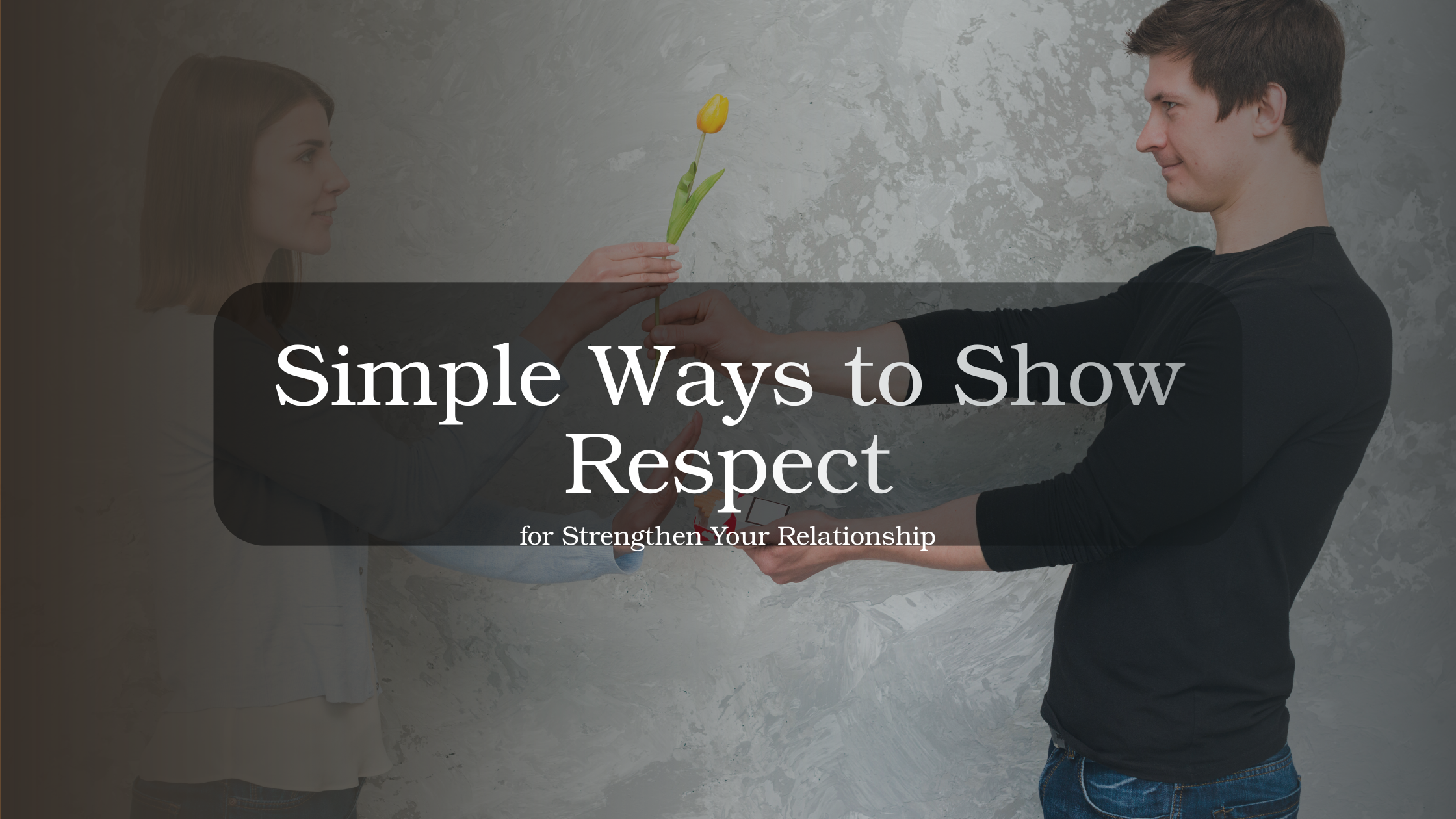
7 Simple Ways to Show Respect and Strengthen Your Relationship
Respect is one of the most important foundations of a healthy relationship, yet it is often misunderstood or taken for granted. Many couples focus heavily on love, attraction, and commitment, assuming respect will naturally follow. In reality, respect is something that must be practiced consistently through everyday interactions, communication choices, and emotional awareness.
When respect is present, partners feel valued, heard, and emotionally safe. When it is missing, even strong emotional bonds can erode over time. Disrespect does not always appear as shouting or obvious conflict. It often shows up subtly through dismissive comments, defensiveness, interruptions, or a lack of consideration for each other’s needs.
In fast paced environments like Los Angeles, where stress, work demands, and personal ambitions can strain relationships, respect becomes even more critical. Couples who intentionally practice respect are better equipped to handle disagreements, maintain intimacy, and grow together rather than apart.
The following seven strategies are simple but powerful ways to show respect in your relationship and strengthen emotional connection over time.

1. Practice Active Listening Without Interrupting or Defending
1. Why Listening Is a Form of Respect
One of the clearest ways to show respect is to truly listen. Many conflicts escalate not because of what is said, but because one partner feels unheard or dismissed. Active listening means giving your partner your full attention without planning your response or defending yourself prematurely.
When someone feels listened to, their nervous system settles. This creates space for understanding rather than escalation.
2. How This Looks in Real Life
Imagine a couple living in downtown Los Angeles juggling demanding careers. One partner expresses frustration about feeling disconnected. If the other immediately explains why they are busy or minimizes the concern, the message received is that their feelings do not matter.
Respectful listening involves pausing, making eye contact, and acknowledging the emotion before responding.
3. Practical Ways to Practice Active Listening
- Let your partner finish speaking before responding
- Reflect back what you heard to confirm understanding
- Focus on emotions as much as words
- Avoid interrupting, correcting, or justifying immediately
Listening without defensiveness signals emotional respect and builds trust.
2. Speak to Your Partner With Kindness Even During Conflict
1. Respect Is Most Visible During Disagreements
Anyone can be respectful when things are going well. Respect is truly tested during conflict. Tone, word choice, and timing matter more than most couples realize.
Disrespectful communication includes sarcasm, name calling, mocking, or bringing up past mistakes to win an argument. These behaviors damage emotional safety and weaken connection over time.
2. Choosing Language That Preserves Dignity
Using calm, clear language does not mean suppressing emotions. It means expressing frustration without attacking character.
For example, saying “I feel overwhelmed when plans change last minute” invites dialogue, while saying “You never think about anyone but yourself” shuts it down.
3. Respectful Communication Includes
- Addressing behaviors rather than character
- Avoiding insults or labels
- Staying focused on the current issue
- Taking breaks when emotions escalate
Couples who communicate respectfully during conflict recover faster and feel safer addressing issues in the future.
3. Acknowledge Your Partner’s Feelings Even When You Disagree
1. Validation Does Not Mean Agreement
Many people struggle with validation because they confuse it with agreeing. In reality, validation simply means acknowledging your partner’s emotional experience as real and understandable.
When feelings are dismissed, partners often escalate to be heard. Validation reduces emotional intensity and fosters mutual respect.
2. What Emotional Validation Sounds Like
Statements such as “I can see why that upset you” or “That makes sense given what you were dealing with” help your partner feel seen, even if you view the situation differently.
3. Why This Matters Long Term
In relationships where feelings are consistently invalidated, partners stop sharing openly. Over time, emotional distance replaces connection.
Respect grows when partners feel emotionally acknowledged, not corrected.
4. Honor Boundaries and Personal Autonomy
1. Respect Includes Recognizing Individual Needs
Healthy relationships balance closeness with individuality. Respect means recognizing that your partner has their own boundaries, preferences, and emotional limits.
Ignoring boundaries, even unintentionally, can feel controlling or dismissive.
2. Common Boundary Challenges in Relationships
- Expecting immediate responses to messages
- Pressuring a partner to share before they are ready
- Dismissing requests for space or downtime
In Los Angeles, where schedules are often demanding, respecting time and emotional boundaries becomes especially important.
3. How to Show Respect for Boundaries
- Ask rather than assume
- Accept “no” without punishment
- Communicate your own boundaries clearly
- Avoid guilt or pressure
Mutual respect grows when both partners feel free to be themselves without fear of judgment.
5. Express Appreciation for Both Big and Small Efforts
1. Respect Thrives on Recognition
Feeling appreciated reinforces emotional security. Many couples assume their partner knows they are valued, but unspoken appreciation often goes unnoticed.
Over time, lack of acknowledgment can lead to resentment or emotional withdrawal.
2. Everyday Appreciation Matters Most
Respect is shown through recognizing daily efforts, not just grand gestures. Thanking your partner for emotional support, shared responsibilities, or thoughtful actions strengthens connection.
3. Examples of Meaningful Appreciation
- Acknowledging emotional effort during stressful times
- Thanking your partner for consistency and reliability
- Recognizing contributions that often go unnoticed
Appreciation reinforces the message that your partner matters and their efforts are seen.
6. Take Responsibility for Mistakes Without Blame or Deflection

1. Accountability Builds Trust and Respect
Taking responsibility for mistakes shows maturity and respect. Defensiveness, denial, or shifting blame erodes trust and keeps conflicts unresolved.
Owning mistakes does not mean self criticism. It means acknowledging impact and expressing willingness to repair.
2. What Accountability Sounds Like
Statements such as “I see how that hurt you and I am sorry” or “I should have handled that differently” promote healing.
3. Why This Strengthens Relationships
When partners take responsibility, conflicts become opportunities for growth rather than power struggles. Respect deepens when accountability is consistent.
7. Support Each Other’s Growth and Individual Goals
Respect Means Encouraging, Not Competing
A respectful relationship allows both partners to grow individually. Supporting goals, ambitions, and personal development signals belief in your partner’s potential.
In Los Angeles, where career growth and personal aspirations are often central, mutual support plays a crucial role in relationship satisfaction.
Ways to Show Support
- Showing interest in your partner’s goals
- Encouraging self care and personal growth
- Celebrating achievements without comparison
- Being emotionally present during setbacks
When partners feel supported rather than threatened by growth, the relationship becomes a source of strength.
How Respect Strengthens Emotional and Physical Intimacy
Respect and intimacy are deeply connected. Emotional safety creates space for vulnerability, closeness, and trust. Without respect, intimacy often feels forced or fragile.
Couples who prioritize respect experience:
- Greater emotional openness
- Healthier conflict resolution
- Increased physical intimacy
- Stronger long term commitment
Respect is not a one time achievement. It is a daily practice that shapes how partners experience each other.
A Simple Relationship Respect Checklist
| Area | Respectful Practice |
| Communication | Listening without interrupting |
| Conflict | Speaking calmly and kindly |
| Emotions | Validating feelings |
| Boundaries | Honoring personal limits |
| Appreciation | Expressing gratitude |
| Accountability | Owning mistakes |
| Growth | Supporting individual goals |
Final Thoughts: Respect Is Built in Everyday Moments
Strengthening a relationship does not require dramatic changes or constant effort. It requires consistency, awareness, and intention. Respect is shown in how partners speak, listen, respond, and support each other during both calm and challenging moments.
When respect becomes a daily habit, relationships feel safer, more connected, and more resilient. Over time, love deepens not because conflict disappears, but because partners learn to navigate it with care and understanding.
FAQs (Frequently Asked Questions)
Yes, but it takes consistent effort over time. Rebuilding respect involves acknowledging past behaviors, changing how you communicate, and showing reliability in actions. It’s less about one big change and more about repeated, respectful interactions.
Awareness is often the first gap. Instead of accusing, it helps to point out specific moments and explain how they felt from your side. Clear, calm communication increases the chances of understanding rather than defensiveness.
Respect and love work together, but respect is what sustains the relationship long-term. Without respect, love can turn into frustration or resentment. Respect creates the foundation where love can remain stable and healthy.
Yes. People often learn expressions of respect from their upbringing or culture. What feels respectful to one person may not feel the same to another, which is why discussing expectations openly becomes important.
Interrupting frequently, dismissing opinions, lack of appreciation, or sarcasm can signal declining respect. These small patterns often go unnoticed at first but gradually impact how valued each partner feels.
It requires separating the issue from the person. Even when disagreements continue, maintaining a calm tone, avoiding personal attacks, and allowing space for both perspectives helps preserve respect despite ongoing differences.

Harel Papikian
Dr. Harel Papikian is a clinical psychologist and couples therapist with more than 15 years of experience. He offers marriage counseling and couples therapy in los Angeles. It help’s couples navigate their relationship challenges and deepen their connection. Our clinic uses a unique ARM method (Awareness, Release, Mastery) to achieve rapid and profound results for our clients. We serve a diverse clientele, including LGBTQ+ and heterosexual couples, addressing issues like communication breakdowns, conflict resolution, intimacy, and trust. You can also get individual therapy sessions for concerns like depression, anxiety, and trauma.
Leave a Reply