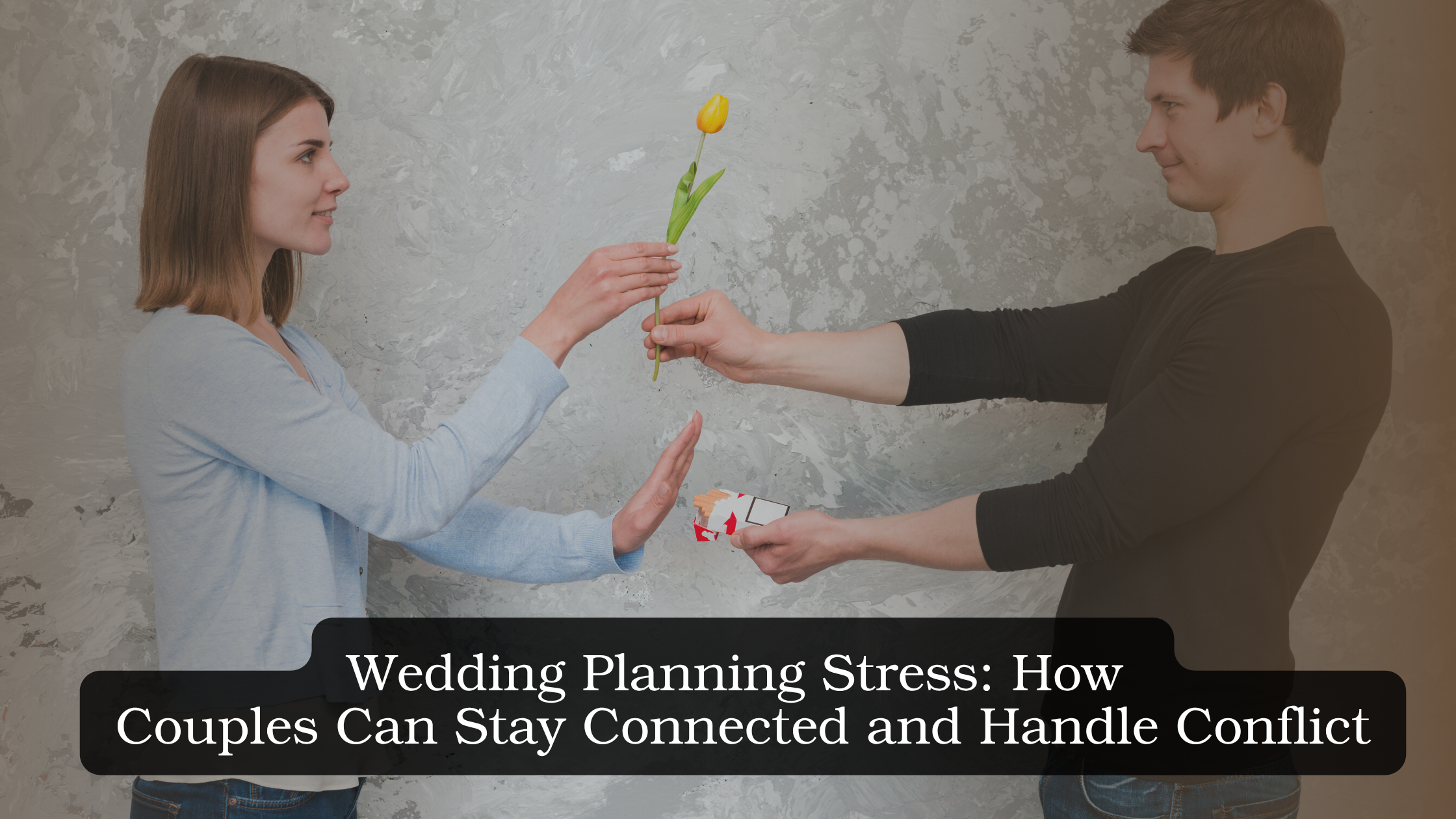
Wedding Planning Stress: How Couples Can Stay Connected and Handle Conflict
Planning a wedding is often described as one of the happiest periods in a couple’s life. Between choosing venues, managing budgets, coordinating family expectations, and making countless decisions, however, the process can introduce unexpected tension. Conversations about guest lists or expenses may become arguments about priorities, responsibilities, and whose opinions matter.
Even couples who communicate well may discover differences they have not encountered before. One partner may want an elaborate celebration, while the other prefers something intimate. Family pressure and financial concerns can make these disagreements harder to navigate.
The goal is not to eliminate every disagreement but to manage stress without losing connection. Understanding what fuels conflict, communicating clearly, and setting boundaries together can help couples protect their relationship while preparing for marriage.
Why Wedding Planning Can Put Pressure on a Relationship
Wedding planning brings together expectations about money, family traditions, and the future. Partners may have different ideas about the celebration, the importance of cultural practices, or how much influence relatives should have.
Balancing planning with work and everyday responsibilities can also leave couples exhausted. Social media and family comparisons may create pressure to achieve a perfect wedding, making ordinary decisions feel disproportionately important.
Recognizing these pressures helps couples understand that conflict may reflect their circumstances rather than a fundamental problem with their relationship.
Common Wedding Planning Conflicts
Disagreements about money: Different spending priorities can reflect concerns about financial security, savings, and future responsibilities. Agreeing on a realistic budget and identifying shared priorities can prevent repeated arguments, and the emotional side is covered in handling financial stress in your relationship.
Family members influencing decisions: Relatives may have strong opinions about traditions, guest lists, or venues. Couples need to establish which decisions belong to them and how they will handle outside pressure.
Unequal planning responsibilities: When one partner manages most of the bookings, payments, and deadlines, resentment can develop. Making tasks visible and dividing responsibilities fairly helps both partners contribute.
Different wedding visions: One partner may want a large celebration, while the other prefers a smaller gathering. Understanding the emotional significance behind each preference can make compromise easier.
7 Ways Couples Can Handle Wedding Planning Conflict

1. Discuss What Matters Before Debating Details
Couples often jump straight into solving a problem without understanding why it matters to each person. A disagreement about the guest list, for example, may reflect one partner’s desire to honour family traditions and the other’s concerns about costs or privacy.
Ask what makes a particular decision important and where flexibility is possible. Understanding the underlying concern can make it easier to find a solution together.
2. Separate Disagreements From Relationship Judgments
Questioning an expensive venue does not necessarily mean dismissing a partner’s dreams. Similarly, preferring a different ceremony does not automatically indicate a lack of respect for family traditions.
Avoid turning specific disagreements into accusations such as “You never care about what I want.” Instead, explain the concern directly: “I feel uncomfortable making financial commitments before we discuss them together.”
Focusing on the issue rather than attacking each other’s intentions helps prevent unnecessary hurt.
3. Agree on Your Wedding Priorities
Ask each other to identify three or four aspects of the wedding that matter most, such as the ceremony, food, music, cultural traditions, or guest experience.
Look for areas of overlap and decide where compromises are possible. If both partners value having family present but disagree about the scale of the event, a smaller celebration may accommodate their shared priorities.
Not every detail needs equal attention. The aim is to make decisions that reflect what matters to both partners.
4. Establish Family Boundaries Together
Family pressure can leave one partner feeling caught between their relatives and their future spouse. Discuss boundaries privately before responding to family members.
Clarify which decisions remain yours, what information you will share, and whether financial contributions come with expectations. When possible, each partner should communicate boundaries to their own family.
Presenting decisions as mutual agreements helps prevent either partner from being portrayed as the person responsible for disappointing relatives, a skill explored in how to set boundaries with in-laws for a lasting marriage.
5. Divide Planning Responsibilities Clearly
Vague arrangements can leave tasks unfinished or place most of the mental load on one person. Create a list of remaining responsibilities, assign ownership, and agree on deadlines.
Decide which matters can be handled independently and which require joint approval, particularly major expenses or changes to the guest list.
Review the arrangement regularly as circumstances change. Acknowledging each other’s efforts also helps partners feel appreciated, as covered in simple ways to show respect and strengthen your relationship.
6. Protect Time Away From Wedding Planning
When every conversation revolves around wedding arrangements, couples may begin to feel like project managers instead of partners.
Set aside time for activities you enjoy together, whether that means having dinner, taking a walk, or watching a film. Agree to leave wedding discussions for another time unless something genuinely urgent arises.
These breaks help preserve emotional connection and remind couples that their relationship matters more than the event itself.
7. Know When to Pause an Argument
Stress can make it difficult to listen carefully or respond thoughtfully. If a conversation becomes heated, agree to take a break before either partner says something hurtful.
Use the time to calm down rather than prepare another argument.Return to the discussion once both partners feel ready to listen, following fair fighting rules for couples.
If the same disagreement keeps recurring, consider whether it reflects a deeper concern about money, family boundaries, values, or decision-making that needs attention.
How Couples Therapy Can Help During Wedding Planning

Couples therapy can help when wedding planning exposes communication difficulties, unresolved concerns, or differences that feel difficult to navigate independently.
A therapist can help partners recognize recurring patterns. For example, one person may push for immediate decisions when anxious, while the other withdraws because they feel pressured, the pursuer-distancer cycle in a wedding setting.
Therapy provides an opportunity to practise expressing concerns clearly, listening without becoming defensive, and making decisions that consider both perspectives. Sessions may also address family expectations, financial anxiety, and concerns about the transition into marriage.
The goal is not to eliminate every disagreement but to develop communication habits that remain useful beyond the wedding day.
How Dr. Harel Approaches Couples Therapy for Wedding-Related Stress
Dr. Harel’s approach focuses on understanding the emotional and communication patterns that influence how partners respond to conflict.
When wedding planning creates tension, therapy may explore what each partner needs to feel heard, how family expectations influence decisions, and why certain disagreements become emotionally charged.
Using approaches that may include Cognitive Behavioral Therapy (CBT), mindfulness, and other techniques suited to the couple’s needs, sessions can help partners recognize unhelpful assumptions, manage emotional reactions, and communicate concerns more constructively.
The aim is to help couples navigate immediate planning pressures while developing a stronger foundation for marriage.
Preparing for Marriage Beyond the Wedding Day
Wedding planning can reveal how partners approach stress, much like other major life transitions do. Although these moments can be uncomfortable, they also offer opportunities to understand each other more deeply.
You do not need a flawless celebration to build a strong marriage. You need to communicate honestly, make decisions together, and recognize when stress affects how you treat one another.
If planning has become a recurring source of conflict, consider whether clearer responsibilities or deeper conversations about family, finances, and feeling valued could help. When these discussions remain difficult, couples therapy can provide a structured setting to work through them.
The goal is to enter marriage with a stronger understanding of each other, not simply to get through the wedding day.
Frequently Asked Questions
Yes. Financial pressure, family expectations, and numerous decisions can increase stress. Recurring arguments may indicate a need for clearer communication or more balanced responsibilities.
Discuss what participation means to each of you and agree on specific responsibilities. If the lack of involvement leaves you feeling unsupported, explain that concern directly.
Agree on your priorities and boundaries before speaking with relatives. Each partner can help communicate decisions to their own family.
Yes. Therapy can help identify recurring communication patterns and support more constructive ways to discuss difficult decisions.
Not every disagreement requires postponement. However, severe conflict or unresolved concerns about the relationship may warrant taking time to address them before moving forward.

Harel Papikian
Dr. Harel Papikian is a clinical psychologist and couples therapist with more than 15 years of experience. He offers marriage counseling and couples therapy in los Angeles. It help’s couples navigate their relationship challenges and deepen their connection. Our clinic uses a unique ARM method (Awareness, Release, Mastery) to achieve rapid and profound results for our clients. We serve a diverse clientele, including LGBTQ+ and heterosexual couples, addressing issues like communication breakdowns, conflict resolution, intimacy, and trust. You can also get individual therapy sessions for concerns like depression, anxiety, and trauma.
Leave a Reply