
What to Do When Your Partner Doesn’t Appreciate You
Feeling unappreciated by someone you love can be deeply painful. Over time, it may chip away at your confidence, affect your emotional well-being, and create a silent distance between you and your partner. While it’s natural to want acknowledgment for the effort and love you put into a relationship, not receiving it can leave you feeling unseen and taken for granted. Many couples facing these emotions eventually explore support options like couples therapy in LA by Dr. Harel to better understand their needs and rebuild emotional connection.
But here’s the truth: many couples experience this phase at some point. And it doesn’t necessarily mean that your relationship is broken—it may simply mean that your emotional needs aren’t being fully understood or expressed. In some cases, guidance through relationship support or premarital counseling services can help couples learn healthier ways to communicate appreciation and emotional support.
This article explores thoughtful steps you can take to navigate this experience with clarity, compassion, and strength. Whether you’re just starting to feel the emotional weight of being overlooked or have been sitting with these feelings for a while, these insights will guide you toward greater emotional clarity and, hopefully, renewed connection.
Why You Might Feel Unappreciated in a Relationship
Feeling unappreciated in a relationship rarely happens without underlying reasons. Sometimes it stems from communication gaps, different expectations around appreciation, or the stress of daily responsibilities that cause partners to overlook each other’s efforts. Understanding the possible reasons behind these feelings can help bring clarity to the situation and open the door for more honest conversations, empathy, and healthier emotional connection.
1. Reflect Before Reacting

When appreciation is lacking, frustration and hurt can quickly build up. But before confronting your partner, it’s helpful to first check in with yourself. Ask yourself:
Are these feelings ongoing or situational?
Is there a specific action or pattern that’s making me feel this way?
Could my partner be under stress or preoccupied?
Self-reflection allows you to approach the situation more calmly and understand what exactly is hurting you—whether it’s a consistent emotional gap or a reaction to recent circumstances.
2. Define What Appreciation Means to You
Appreciation isn’t one-size-fits-all. For some people, it’s hearing “thank you” after doing something kind. For others, it could be acts of service, affection, or simply being heard and acknowledged. Without clarity, it’s easy to expect your partner to guess what you need.
Consider what gestures, words, or behaviors make you feel valued. When you can define it for yourself, you’ll be better able to explain it to your partner without confusion or blame.
3. Communicate Clearly and Calmly
Honest conversations are key to resolving emotional disconnection. Choose a time when both of you are relaxed and free from distractions. Instead of making accusations like “You never appreciate me,” use “I” statements that focus on your feelings.
For example:
“I’ve been feeling like the things I do are going unnoticed lately.”
“When you acknowledge my effort, I feel more connected to you.”
These kinds of statements open the door to discussion, rather than putting your partner on the defensive.
4. Offer Specific Examples

Sometimes your partner may not even realize you’re feeling this way. Rather than making general claims, try giving real-life examples that illustrate your point.
For instance:
“When I stayed late to help with your work project and didn’t hear a thank you, I felt a little overlooked.”
“When I cooked dinner last night and you didn’t say anything, I felt invisible.”
These moments help your partner understand the pattern from your perspective—and begin to notice their own behavior more clearly.
5. Acknowledge Their Way of Showing Appreciation
It’s important to recognize that people express appreciation differently. Your partner might not say “thank you” often, but they may show care in other ways—like making sure your car is fueled up, helping with chores, or supporting you during difficult times. Recognizing these different expressions of care can also be a helpful step when learning How to Quit Arguing in a Relationship, as it encourages understanding rather than frustration.
If you can identify these acts, acknowledge them. Let your partner know you notice their efforts while also explaining how verbal or emotional expressions of appreciation would mean a lot to you. This approach helps build mutual understanding and can prevent misunderstandings that often lead to unnecessary conflict.
6. Ask for What You Need—Kindly and Clearly

Your partner may not know how much you’re craving emotional validation. Don’t expect them to read your mind. Instead, express your needs gently but directly.
You could say:
“It would really mean a lot to me if you noticed the things I do and told me you appreciate them.”
“Even a small ‘thank you’ makes me feel seen and valued.”
Clear communication empowers your partner to step up and meet you emotionally without confusion or pressure.
7. Keep Showing Appreciation Yourself
It’s tempting to stop giving when you feel like you’re not getting anything back. But withholding appreciation can deepen the emotional disconnect, which is often one of the patterns seen in Signs of Unhappy Married Couples. Continue expressing your gratitude for their efforts, even when it feels difficult.
This models the kind of relationship dynamic you want to build—one where kindness and acknowledgment go both ways. Over time, your partner may begin to mirror your behavior, helping to create a healthier and more balanced connection.
8. Avoid Keeping Score
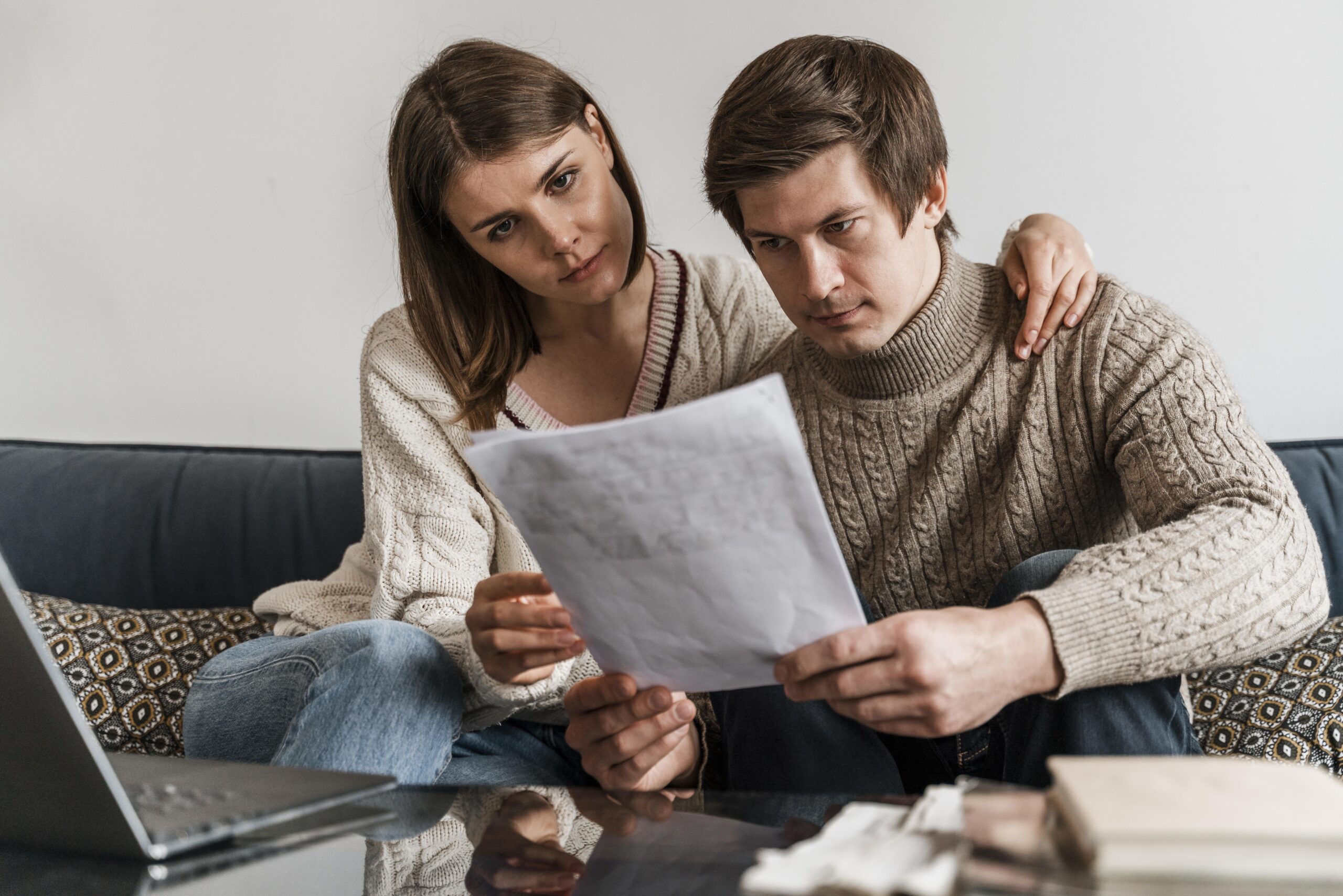
Relationships aren’t about keeping track of who’s doing more. While emotional balance is important, constantly comparing effort can lead to resentment and competition.
Instead, focus on building a culture of appreciation, where both of you feel safe and encouraged to give, not because it’s fair, but because it strengthens your connection.
9. Consider the Bigger Picture
Sometimes a lack of appreciation is linked to external pressures. If your partner is dealing with work stress, health concerns, or family issues, they may be emotionally drained and unaware that they’re neglecting your needs.
If this seems likely, check in with compassion:
“I’ve noticed you’ve been distant lately—are you okay?”
“I want to support you, but I also want us to feel close again.”
This opens space for a more empathetic exchange and shows you’re still a team.
10. Celebrate Small Wins

When your partner does begin to express appreciation—even if it’s small—acknowledge it warmly. Let them know it matters.
Saying things like “Thank you, that really made me feel seen” reinforces those positive behaviors and encourages more of them over time.
11. Strengthen Emotional Intimacy
Lack of appreciation often stems from emotional drift. Finding ways to reconnect—through shared activities, meaningful conversations, or even moments of quiet affection—can revive closeness and naturally increase expressions of gratitude.
Plan intentional time together without distractions. Laugh, share stories, reminisce. Sometimes, appreciation grows when the emotional connection is rekindled.
12. Know When to Seek Support
If you’ve expressed your needs clearly, made efforts to reconnect, and still feel emotionally ignored, it might be time to seek outside help. Couples therapy can help uncover communication gaps and give both partners tools to express and receive appreciation more effectively.
Professional support is not a sign of failure—it’s a sign of commitment to building a stronger relationship.
13. Value Yourself—Even If They Don’t Right Now
Ultimately, your worth isn’t determined by how much your partner notices or applauds. While feeling appreciated is essential, it’s equally important to affirm your own value.
Take time for self-care.
Surround yourself with supportive friends or family.
Pursue interests that light you up.
A strong sense of self-worth acts as a cushion when appreciation from others is missing.
Final Thoughts
Feeling unappreciated in a relationship is painful—but it’s not uncommon. More often than not, it stems from poor communication, emotional blind spots, or different love languages—not a lack of love. In many relationships, partners may also notice that misunderstandings or disagreements arise frequently, leading them to wonder how often do couples fight and whether their conflicts are normal.
With self-awareness, open dialogue, and mutual effort, couples can move from disconnection to deeper understanding. Learning how to deal with a selfish partner or communicate unmet needs in a healthy way can help restore balance and appreciation in the relationship. You deserve to feel seen, valued, and loved for who you are and all that you do. By expressing your needs with honesty and care, you give your relationship the chance to evolve into one where appreciation flows freely and consistently.
FAQs (Frequently Asked Questions)
Yes, many relationships can recover when partners openly discuss their feelings and make intentional efforts to acknowledge each other. Appreciation, respect, and consistent communication can help rebuild emotional connection over time.
Over time, routines, stress, and familiarity can cause partners to overlook each other’s efforts. In many cases, the lack of appreciation isn’t intentional but happens when communication and emotional awareness start to decline.
Couples can strengthen appreciation by expressing gratitude regularly, acknowledging small efforts, and making time to recognize each other’s contributions to the relationship and daily life.
Sometimes it can be. Feeling unappreciated may signal underlying issues such as communication gaps, emotional disconnection, or unmet expectations that need to be addressed for the relationship to grow healthier.
Use calm and honest communication, focusing on your feelings rather than blaming your partner. For example, explaining how appreciation makes you feel valued can help your partner understand your needs more clearly.
Couples may benefit from therapy when feelings of being unappreciated lead to resentment, repeated conflicts, or emotional distance. A therapist can help partners understand each other’s needs and develop healthier communication patterns.

Harel Papikian
Dr. Harel Papikian is a clinical psychologist and couples therapist with more than 15 years of experience. He offers marriage counseling and couples therapy in los Angeles. It help’s couples navigate their relationship challenges and deepen their connection. Our clinic uses a unique ARM method (Awareness, Release, Mastery) to achieve rapid and profound results for our clients. We serve a diverse clientele, including LGBTQ+ and heterosexual couples, addressing issues like communication breakdowns, conflict resolution, intimacy, and trust. You can also get individual therapy sessions for concerns like depression, anxiety, and trauma.
Leave a Reply