Stonewalling in a Relationship: Everything You Need to Know
Stonewalling in a relationship is one of the most painful communication patterns in a relationship. It happens when one partner emotionally shuts down, withdraws, or refuses to engage during conflict. Instead of resolving tension, silence takes over. Over time, this pattern erodes trust, safety, and intimacy.
Dr Harel, a licensed clinical psychologist in Los Angeles with over 16 years of experience working with couples, frequently helps partners recognize and repair stonewalling patterns before they cause lasting damage.
Understanding why it happens and how to respond can transform conflict from destructive to productive.
What Is Stonewalling?
Stonewalling occurs when one partner disengages emotionally during a discussion, particularly during conflict or vulnerable conversations.

Common Signs of Stonewalling
- Refusing to respond or acknowledge questions
- Avoiding eye contact
- Giving one-word answers
- Physically leaving the room
- Turning to a phone or television mid-discussion
- Saying “I’m done” without resolution
Stonewalling differs from taking a healthy break. A healthy pause includes reassurance and a clear plan to return to the conversation. Stonewalling creates uncertainty and emotional distance.
For example, imagine a couple in Santa Monica arguing about financial strain due to rising housing costs. One partner tries to discuss budgeting concerns. The other shuts down, scrolls through their phone, and refuses to engage for the rest of the evening. The issue remains unresolved, and emotional tension lingers.
Why Do People Stonewall?
Stonewalling in a relationship is often a nervous system response rather than intentional cruelty.
a. Emotional Flooding
Some individuals become physiologically overwhelmed during conflict. Their heart rate increases, muscles tense, and thinking becomes unclear. Withdrawal feels like the only way to calm down.
b. Fear of Escalation
If past disagreements have turned explosive, shutting down can feel safer than risking saying something hurtful.
c. Learned Family Patterns
If someone grew up in a home where emotions were ignored or punished, avoidance may feel natural.
d. Passive Control
In certain cases, silence becomes a way to gain power or punish the other partner.
Understanding the motivation behind the withdrawal is essential before deciding how to respond.
The Pursuer and Withdrawer Cycle
Stonewalling rarely exists alone. It often fits into a predictable relational loop.
a. How the Cycle Works
- One partner raises a concern.
- The other feels overwhelmed and withdraws.
- The first partner escalates to regain connection.
- The second partner shuts down further.
Over time, both partners feel misunderstood. The pursuer feels ignored and desperate. The withdrawer feels attacked and emotionally unsafe.
In fast-paced Los Angeles lifestyles, especially among couples balancing careers in entertainment, tech startups, or healthcare, this cycle can become amplified by chronic stress and exhaustion.
Emotional Impact of Chronic Stonewalling
Repeated emotional shutdown affects both partners deeply.
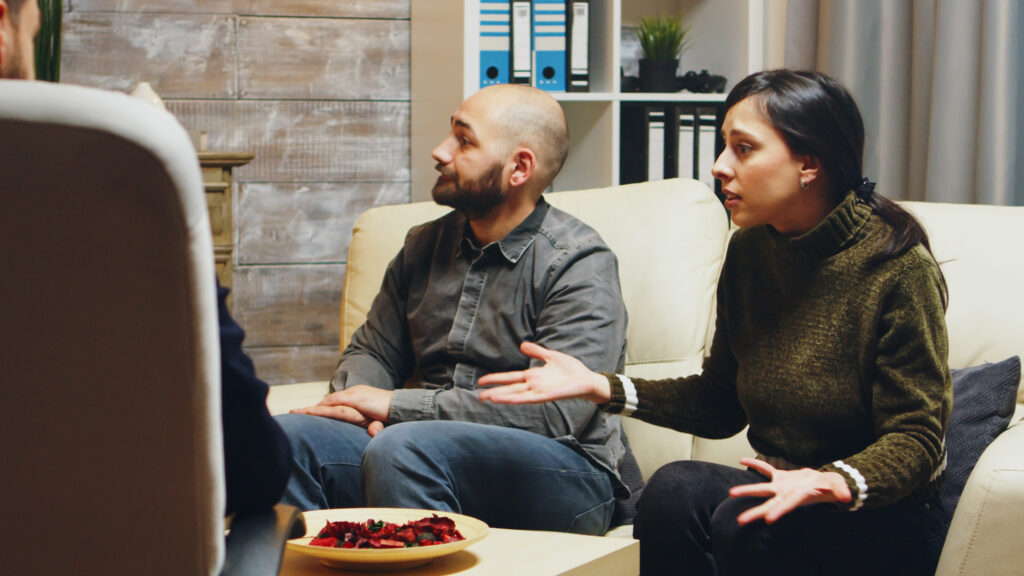
a. Effects on the Receiving Partner
- Anxiety and hypervigilance
- Feeling invisible or dismissed
- Increased anger and frustration
- Emotional loneliness
b. Effects on the Withdrawing Partner
- Guilt and shame
- Emotional numbness
- Increased avoidance
- Growing detachment
Couples in neighborhoods like Brentwood or Silver Lake may appear successful and composed publicly, yet privately struggle with deep communication breakdown.
When stonewalling becomes chronic, intimacy decreases. Trust weakens. Conflicts remain unresolved.
When Stonewalling Is Linked to Deeper Issues?
While occasional withdrawal may stem from temporary overwhelm, chronic stonewalling in a relationship often reflects deeper emotional or psychological patterns. It may signal unresolved resentment, attachment insecurity, depression, anxiety, or past relational trauma. For example, someone who grew up in a volatile household may have learned that emotional shutdown was the safest response to conflict. In adulthood, this coping strategy continues even when the relationship itself is not dangerous.
In Los Angeles, where many individuals manage high-pressure careers in entertainment, finance, tech, or medicine, chronic stress compounds emotional vulnerability. A partner may already feel overstimulated before conflict even begins. When an argument arises, their nervous system quickly reaches capacity and shuts down.
Without addressing these underlying dynamics, communication strategies alone will not create lasting change. Identifying the deeper drivers behind stonewalling allows couples to move beyond surface-level solutions and begin true emotional repair.
How Couples Therapy Helps Break the Stonewalling Cycle
Couples therapy provides a structured environment where shutdown patterns can be observed and interrupted in real time. Instead of allowing the familiar pursue and withdraw cycle to repeat, therapy slows the interaction down and introduces emotional regulation tools that support safer dialogue.
Dr Harel works with couples to identify the emotional triggers that precede withdrawal. Therapy often focuses on helping the withdrawing partner recognize early signs of flooding and communicate the need for a break without abandoning the conversation. At the same time, the pursuing partner learns how to express concerns without escalating intensity.
Sessions also explore attachment histories, stress levels, and resentment that may be fueling the pattern. Over time, couples build tolerance for discomfort and replace shutdown with structured engagement. The goal is not eliminating conflict but strengthening the ability to stay emotionally present during it.
Can Stonewalling Be Repaired?
Yes, stonewalling in a relationship can be repaired when both partners are willing to take responsibility for their role in the cycle. Change requires awareness, accountability, and consistent practice.
Repair begins when the withdrawing partner commits to signaling overwhelm instead of disappearing emotionally. Simple statements such as “I need 20 minutes to calm down, and I promise we will revisit this” preserve connection while allowing regulation. The pursuing partner must also reduce criticism and avoid intensifying pressure during moments of vulnerability.
In high-demand environments like Los Angeles, couples often need to schedule protected time for meaningful conversation rather than attempting to resolve conflict when exhausted from long commutes or late-night work events. Intentional structure reduces reactivity.
With patience and guidance, especially through professional support when needed, couples can transform stonewalling into healthier conflict management. Emotional presence, even during disagreement, becomes the foundation for rebuilding safety and intimacy.
FAQs (Frequently Asked Questions)
No. Taking space is a healthy, intentional pause to calm down and return to the conversation later. Stonewalling, on the other hand, involves shutting down, avoiding communication, or emotionally withdrawing without any intention to re-engage. The key difference is communication and willingness to reconnect.
Yes. Many people stonewall unconsciously as a response to feeling overwhelmed, anxious, or emotionally flooded. It can be a learned coping mechanism rather than a deliberate attempt to hurt a partner. However, even when unintentional, it still impacts the relationship negatively.
Stonewalling can last anywhere from a few minutes during an argument to days or even longer periods of emotional withdrawal. When it becomes a repeated pattern over time, it can create chronic disconnection and resentment between partners.
Yes. Consistent stonewalling can weaken trust because it makes one partner feel ignored, dismissed, or emotionally unsafe. Over time, this lack of responsiveness can lead to feelings of loneliness and insecurity within the relationship.
Often, yes. Stonewalling may be linked to underlying issues such as anxiety, past trauma, fear of conflict, or difficulty expressing emotions. Addressing these root causes is important for long-term improvement in communication.
Couples should consider professional support when stonewalling becomes frequent, leads to repeated unresolved conflicts, or causes emotional distance that they cannot resolve on their own. Early intervention can prevent long-term damage and help rebuild healthy communication patterns.

Harel Papikian
Dr. Harel Papikian is a clinical psychologist and couples therapist with more than 15 years of experience. He offers marriage counseling and couples therapy in los Angeles. It help’s couples navigate their relationship challenges and deepen their connection. Our clinic uses a unique ARM method (Awareness, Release, Mastery) to achieve rapid and profound results for our clients. We serve a diverse clientele, including LGBTQ+ and heterosexual couples, addressing issues like communication breakdowns, conflict resolution, intimacy, and trust. You can also get individual therapy sessions for concerns like depression, anxiety, and trauma.
Leave a Reply