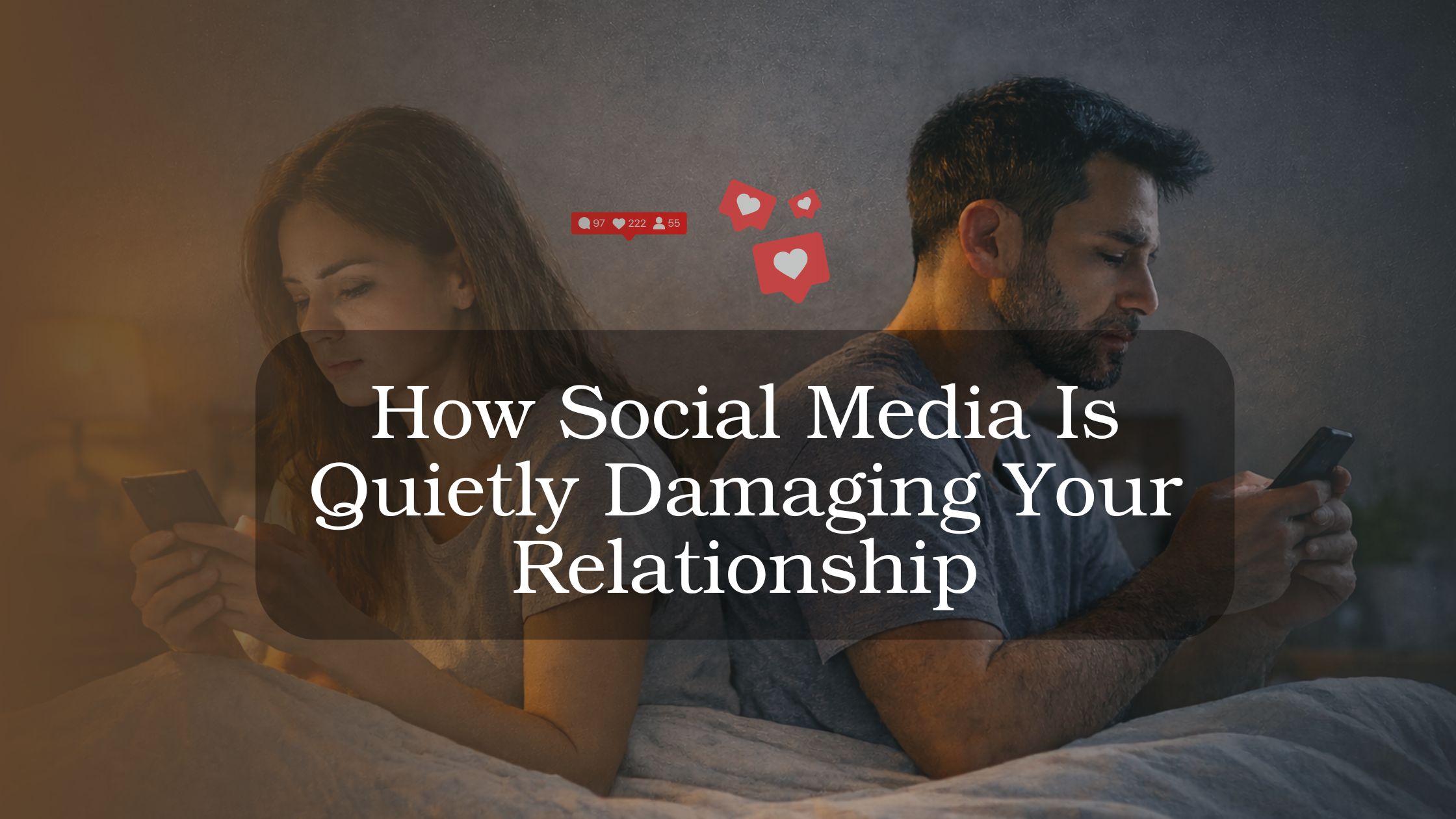
How Social Media Is Quietly Damaging Your Relationship
Social media has become deeply integrated into how people communicate, express themselves, and maintain relationships. Sharing beach sunsets in Santa Monica or posting dinner dates in West Hollywood can feel like a way to stay connected. However, beneath this constant sharing lies a more subtle reality. Social media is quietly influencing how partners perceive each other, communicate, and build trust.
As a licensed clinical psychologist with 16 years of experience, Dr. Harel has worked extensively with individuals and couples facing modern relationship challenges. A recurring observation in therapy is that social media is not simply a passive activity. It actively shapes emotional responses, expectations, and relationship satisfaction, often witho ut people realizing it.
This article explores the psychological ways social media can damage relationships, how Couples Therapy can help address these issues, and what couples can do to maintain a healthier connection.
The Illusion of Perfect Relationships
Social media platforms are built around curated content. People tend to share moments that reflect happiness, success, and affection, while leaving out conflict, boredom, and emotional struggles.
How this affects relationships
- Unrealistic comparisons
- When someone frequently sees couples traveling, celebrating, and expressing affection publicly, it is natural to compare. For instance, scrolling through posts of couples enjoying luxury getaways in Malibu or perfectly styled anniversaries can create the impression that other relationships are more fulfilling.
- Distorted expectations
- Over time, repeated exposure to idealized content shapes expectations. A healthy relationship may begin to feel inadequate simply because it does not match what is seen online.
- Emotional dissatisfaction
- This gap between reality and perception can lead to unnecessary dissatisfaction, even when the relationship itself is stable and supportive.
Constant Comparison and Subtle Resentment
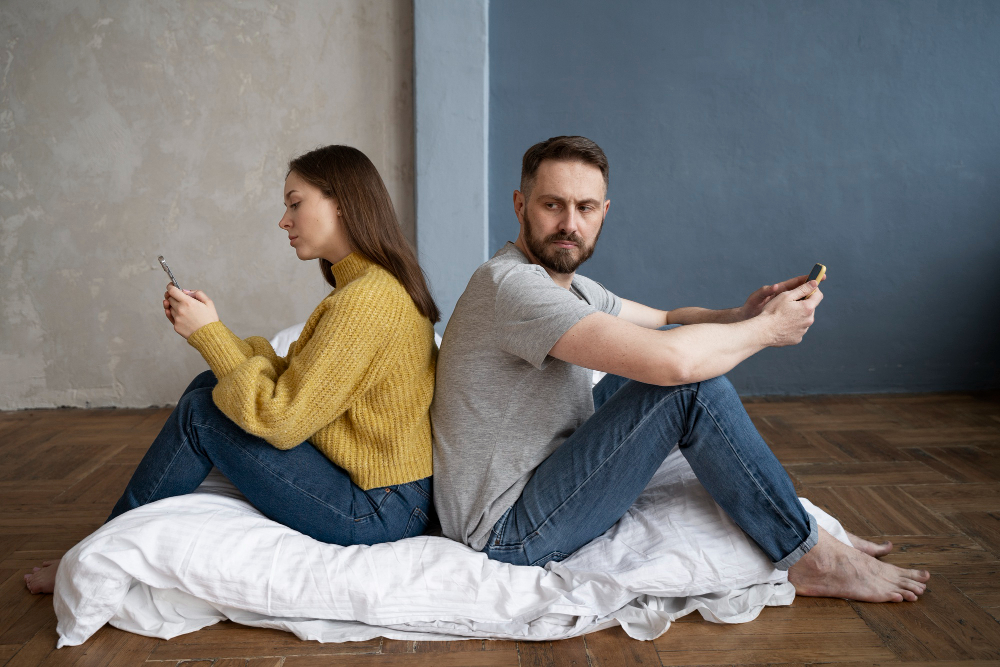
Comparison is one of the most significant psychological effects of social media. It often operates automatically and influences emotions without conscious awareness.
What this looks like
- Comparing your partner’s behavior to others online
- Feeling your relationship lacks excitement or effort
- Questioning whether your partner is doing enough
For example, seeing frequent public displays of affection from other couples may lead one partner to feel neglected, even if their own partner expresses care in quieter but meaningful ways.
Why this matters
Over time, these comparisons shift focus from appreciation to deficiency. Instead of recognizing what is working in the relationship, attention becomes fixed on what seems to be missing. This can slowly build resentment, which may not be openly expressed but affects emotional closeness.
The Rise of Digital Jealousy
Social media has introduced new forms of jealousy that are more frequent and often more ambiguous than traditional triggers.
Common triggers
- A partner liking or commenting on someone else’s posts repeatedly
- Following new people or maintaining contact with past partners
- Private messages that feel unclear or hidden
For instance, noticing consistent interaction with a coworker’s posts may raise concerns, even if there is no actual boundary being crossed.
The psychological impact
The challenge with digital interactions is that they leave room for interpretation. One partner may view them as harmless, while the other perceives them as emotionally significant. This mismatch can create tension, lead to issues like Name Calling in Relationship conflicts, and erode trust over time.
Reduced Quality Time and Emotional Presence
Another subtle impact of social media is the reduction in meaningful interaction between partners. Being physically present is not the same as being emotionally engaged.
Signs of this pattern
- Checking phones during conversations
- Scrolling through social media during meals
- Dividing attention between a partner and a device
For example, during a dinner outing in Beverly Hills, one or both partners may be more focused on capturing and sharing the moment rather than experiencing it together.
Why this matters
Relationships depend on consistent emotional presence. Small moments of connection, such as listening attentively or sharing experiences, build intimacy over time. When these moments are interrupted by digital distractions, partners may begin to feel overlooked or disconnected, sometimes leading couples to seek support and understand the Cost of Couples Therapy in LA.
Validation Seeking and External Approval
Social media often encourages people to seek validation through likes, comments, and engagement. This can gradually shift where emotional fulfillment comes from.
How this affects relationships
- Prioritizing online validation over partner appreciation
- Feeling disappointed when posts do not receive expected attention
- Measuring relationship value through public visibility
For instance, if a partner feels upset that a shared photo did not receive enough engagement, it reflects a shift in focus from private connection to public approval.
Why this matters
Healthy relationships are built on internal validation, where partners feel valued and appreciated within the relationship itself. When validation becomes external, it can weaken emotional security and create unnecessary pressure.
Blurred Boundaries and Micro-Infidelity
Social media has made it easier to maintain connections that may not clearly fall within or outside relationship boundaries.
What this includes
- Flirtatious comments or messages
- Reconnecting with past partners in a personal way
- Engaging in conversations that are kept hidden
For example, regularly messaging someone in a way that would feel uncomfortable if seen by a partner can be considered a form of micro-infidelity.
Why this matters
These behaviors may seem minor in isolation, but they can undermine trust. The lack of clear boundaries often leads to misunderstandings and emotional distance.
Miscommunication and Conflict Escalation

Digital communication lacks tone, facial expressions, and immediate clarification. This increases the chances of misunderstanding.
Common patterns
- Misinterpreting messages or comments
- Reacting impulsively to posts or interactions
- Bringing online conflicts into offline conversations
For instance, a simple comment on a post may be perceived as sarcastic or dismissive, leading to unnecessary arguments.
The psychological impact
Miscommunication creates emotional friction. When conflicts are fueled by assumptions rather than direct conversation, they tend to escalate more quickly and resolve less effectively.
Emotional Disconnection Over Time

When all these factors combine, the result is often a gradual sense of emotional disconnection.
How this develops
- Less meaningful communication
- Increased comparison and dissatisfaction
- Growing mistrust or insecurity
This process is usually slow. Partners may not notice the shift immediately, but over time, the relationship begins to feel less secure and less fulfilling.
How to Protect Your Relationship
Social media itself is not the problem. The impact depends on how it is used and the boundaries couples establish.
Practical strategies
- Set clear boundaries
- Discuss what is acceptable in terms of interactions, messaging, and sharing.
- Prioritize offline connection
- Make time for uninterrupted conversations and shared activities without devices.
- Be transparent
- Openness about online behavior helps build trust and reduces unnecessary suspicion.
- Limit comparison
- Remind yourself that social media reflects curated moments, not full realities.
- Focus on internal validation
- Strengthen appreciation within the relationship rather than relying on external feedback.
When to Seek Professional Support
If social media is causing ongoing conflict, mistrust, or emotional distance, it may be helpful to seek professional guidance. Therapy provides a structured space to address concerns, improve communication, and rebuild trust.
Dr. Harel works with individuals and couples to navigate these challenges, helping them develop healthier relationship patterns in a digital age.
Final Thoughts
Social media is a powerful tool, but it comes with psychological effects that can quietly influence relationships. From comparison and jealousy to reduced presence, blurred boundaries, and even creating or worsening unresolved issues in relationship dynamics, these changes often happen gradually and without clear awareness.
Recognizing these patterns is the first step toward change. With conscious effort, clear communication, and healthy boundaries, it is possible to maintain a strong and meaningful relationship while still engaging with the digital world.
Frequently Asked Questions (FAQs)
Yes. Constant scrolling, messaging, or spending more time online than with a partner can slowly reduce emotional connection. Over time, couples may talk less, share fewer experiences, and feel emotionally disconnected even while living together.
Social media often shows only the best moments of people’s lives. Seeing “perfect” couples online can create unrealistic expectations and make partners feel dissatisfied with their own relationship, even when nothing is actually wrong.
Yes. Excessive phone use can interrupt quality time, emotional conversations, and physical intimacy. When attention is constantly divided between a partner and a screen, emotional closeness may weaken over time.
Couples can agree on simple boundaries such as limiting phone use during meals, avoiding social media during important conversations, respecting privacy, and discussing what online behaviors make each partner uncomfortable.
Yes. Seeing edited photos, attention from strangers, or idealized lifestyles online may cause some people to feel unattractive, unimportant, or emotionally inadequate. These insecurities can eventually affect relationship confidence and communication.
If social media conflicts repeatedly lead to trust issues, emotional distance, constant arguments, jealousy, or communication breakdowns, couples may benefit from professional guidance through Couples Therapy to rebuild healthier relationship patterns.

Harel Papikian
Dr. Harel Papikian is a clinical psychologist and couples therapist with more than 15 years of experience. He offers marriage counseling and couples therapy in los Angeles. It help’s couples navigate their relationship challenges and deepen their connection. Our clinic uses a unique ARM method (Awareness, Release, Mastery) to achieve rapid and profound results for our clients. We serve a diverse clientele, including LGBTQ+ and heterosexual couples, addressing issues like communication breakdowns, conflict resolution, intimacy, and trust. You can also get individual therapy sessions for concerns like depression, anxiety, and trauma.
Leave a Reply