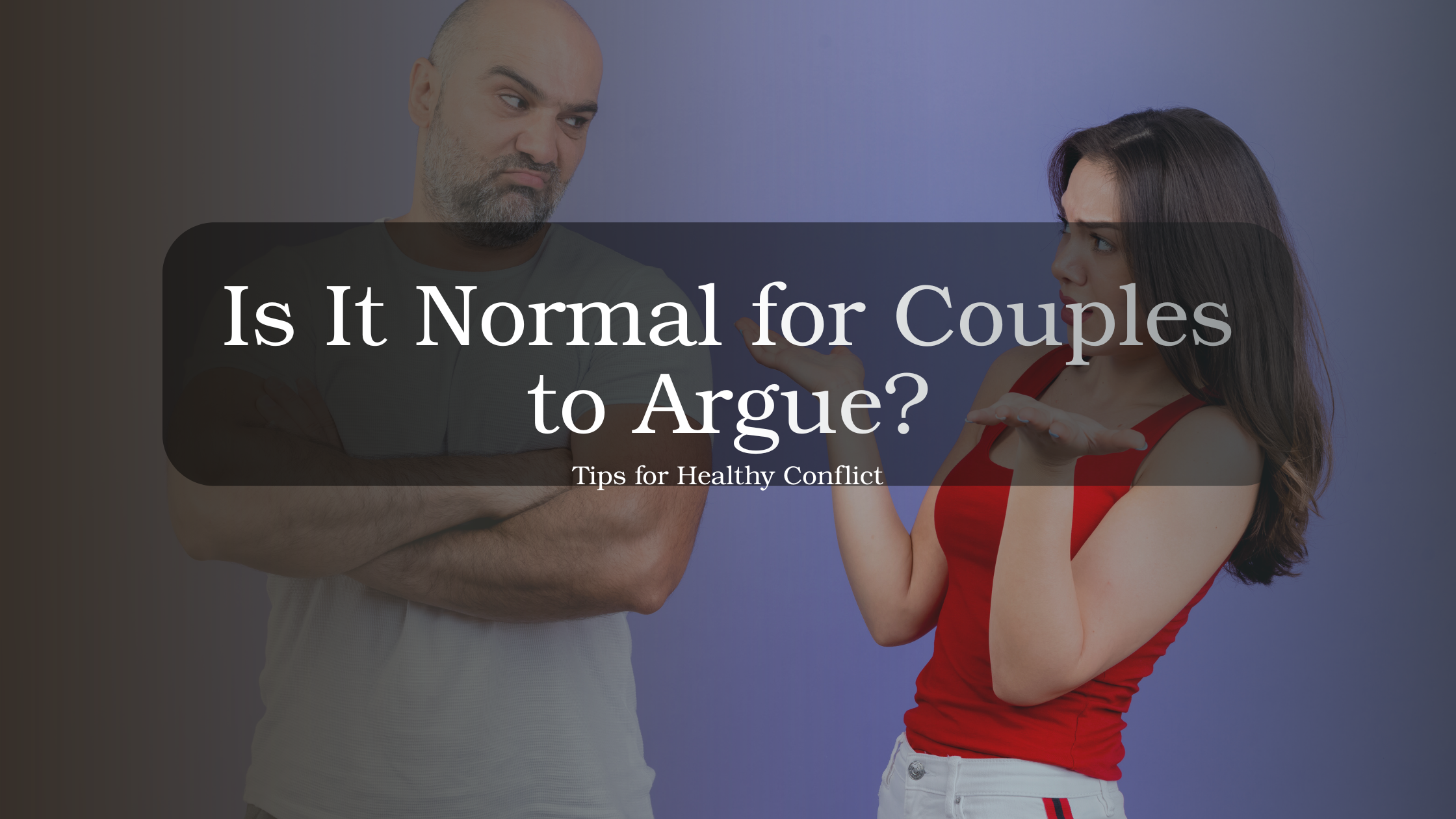
Is It Normal for Couples to Argue? Tips for Healthy Conflict
Arguments can stir confusion, frustration, and even fear about the future of a relationship. Many couples worry that disagreements signal incompatibility or emotional distance. In truth, arguing is a natural part of sharing your life with another human being. Two people with different perspectives, needs, and emotional styles will inevitably clash at times. What matters is not whether conflict happens, but how partners understand it, express themselves during it, and reconnect afterward.
Healthy conflict can strengthen intimacy, deepen understanding, and build long-term trust. This article explains why arguments are normal, how to recognize harmful conflict patterns, and how couples can use disagreements as opportunities for growth. Each section includes clear explanations, real-life examples, and practical tools to help couples communicate better.
Why It Is Normal for Couples to Argue

a. Differences in background and personality
Every individual comes from a unique family system, cultural environment, and emotional upbringing. These differences shape communication patterns. One partner might be direct and expressive, while the other prefers reflection and emotional space. This mismatch naturally leads to disagreements.
b. Clashing emotional needs
People often have different needs during stressful moments. One partner may seek reassurance and closeness, while the other prefers solitude or time to think. Neither need is wrong. They are simply different, and conflict arises when both expect the other to respond the same way.
c. Life stress affects emotional responses
Work demands, parenting, financial pressure, and fatigue all influence the nervous system. When stress is high, small frustrations can trigger bigger reactions. Arguments during stressful seasons do not mean the relationship is failing. They often reflect external pressure.
d. Conflict is a form of emotional engagement
Indifference, not conflict, is the true opposite of connection. When couples care, they react emotionally. Conflict can be a sign that the relationship still matters deeply to both partners.
Characteristics of Healthy Conflict in Strong Couples
a. Issues are addressed early
Healthy couples do not wait for frustration to build. They bring up concerns calmly and early, which prevents resentment.
b. Partners stay curious instead of reactive
Instead of assuming negative motives, healthy partners ask questions, seek clarity, and try to understand the deeper feelings behind the disagreement.
c. Repair happens after conflict
After arguments, healthy couples reconnect through apologies, reassurance, shared laughter, or physical affection. Repair strengthens trust and helps the nervous system return to safety.
d. Respect remains intact
Even in heated moments, healthy partners avoid name-calling, insults, or threats. They protect each other’s dignity.
Tips for Handling Conflict in a Healthy Way
Tip 1: Recognize early signs of emotional flooding
Emotional flooding happens when your body becomes overwhelmed by stress. Signs include rapid heartbeat, mental fog, irritability, or the urge to shut down. Recognizing these cues helps couples pause before the conflict becomes harmful.
Example:
A partner who notices rising tension might say, “I need a short break to calm down. I want to talk about this more clearly.”
Tip 2: Slow the pace of the conversation
Fast conversations trigger reactive thinking. Slowing down helps both partners listen and process.
How to apply:
Take turns speaking. Let one partner finish completely before the other responds. Pause between statements.
Tip 3: Focus on one issue at a time
Arguments often escalate when old frustrations enter the conversation.
How to apply:
Agree on the specific topic at the beginning. If new concerns arise, write them down and return to them later.
Tip 4: Use feeling-focused communication
Feelings create connection, while accusations create distance.
Examples:
Instead of “You never help,” say “I feel overwhelmed when I am handling everything alone.”
Tip 5: Validate your partner even when you disagree
Validation shows that the partner’s feelings make sense from their perspective.
Example:
“You are frustrated because you felt ignored earlier. I understand why that upset you.”
Tip 6: Take short, structured breaks during heated moments
Breaks prevent harmful escalation. They are not avoidance but protection.
How to apply:
Agree on a specific time to return, such as ten or fifteen minutes. During the break, calm your body instead of rehearsing arguments.
Tip 7: Strengthen repair attempts
Repair attempts are small gestures that shift the conversation back to connection. They may include a softer tone, gentle humor, a caring question, or reaching out physically.
Example:
“I want us to get back on track. Can we try again more calmly?”
Tip 8: Understand your shared conflict pattern
Couples tend to fall into predictable cycles. Identifying your cycle creates more choice and less reactivity.
Example:
Some couples have the “pursue and withdraw” pattern. One seeks closeness while the other pulls away. Naming this pattern helps both partners shift behavior.
How to Know Whether Your Arguments Are Normal or Concerning

Normal conflict signs
- You can still listen to each other.
- You resolve the issue without long-term bitterness.
- You reconnect emotionally after the argument.
- Conflict leads to better understanding.
Concerning conflict signs
- The same issues repeat without change.
- Arguments include fear, insults, or contempt.
- One partner feels emotionally unsafe.
- Problems go unresolved for long periods.
If concerning patterns appear, it may help to seek support from a trained therapist who can guide couples toward healthier communication.
How Couples Can Strengthen Connection After Arguments
1. Reflect individually
Each partner can take a moment to consider what emotions were triggered and why. Reflection builds emotional maturity.
2. Share appreciation
After the conflict settles, expressing appreciation helps both partners feel valued again.
Example:
“Thank you for listening to me earlier. It meant a lot.”
3. Re-establish closeness
This may be through conversation, touch, shared activities, or simply sitting together. Reconnection helps the nervous system return to safety.
Conclusion
Arguing is not a sign of a failing relationship. It is a normal part of building a life with another person. Healthy couples learn to approach conflict with respect, emotional awareness, and a willingness to understand each other’s internal experiences. When handled well, conflict can deepen intimacy, build emotional resilience, and strengthen long-term connection.
If partners learn to pause, communicate clearly, validate each other, and repair afterward, arguments become opportunities for growth instead of sources of hurt.
FAQs (Frequently Asked Questions)
Yes. Avoiding conflict often leads to unspoken resentment and emotional distance. Healthy relationships allow space for disagreements, as long as they are handled respectfully and constructively.
A productive argument leads to better understanding, even if there isn’t immediate agreement. If both partners feel heard and the same issue doesn’t repeat in the exact same way, it’s a sign of progress.
Escalation often happens when conversations trigger deeper emotional wounds or past experiences. What starts as a small issue can quickly intensify if it connects to unmet needs or unresolved feelings.
Yes. Taking a pause can prevent saying things out of frustration. The key is to return to the conversation later rather than avoiding it entirely.
Yes. Some people are more direct, while others avoid confrontation. These differences can create tension if not understood, as each partner may misinterpret the other’s intentions during conflict.
If arguments become repetitive, emotionally draining, or start affecting daily functioning and emotional safety, it may be helpful to seek professional support to break the cycle and improve communication patterns.

Harel Papikian
Dr. Harel Papikian is a clinical psychologist and couples therapist with more than 15 years of experience. He offers marriage counseling and couples therapy in los Angeles. It help’s couples navigate their relationship challenges and deepen their connection. Our clinic uses a unique ARM method (Awareness, Release, Mastery) to achieve rapid and profound results for our clients. We serve a diverse clientele, including LGBTQ+ and heterosexual couples, addressing issues like communication breakdowns, conflict resolution, intimacy, and trust. You can also get individual therapy sessions for concerns like depression, anxiety, and trauma.
Leave a Reply