Passive Aggressive Behavior in Relationships: What to Do
Passive aggressive behavior is one of the most confusing and emotionally draining patterns in a relationship. Unlike direct anger, it hides beneath sarcasm, silence, procrastination, subtle digs, and indirect resistance. The partner on the receiving end often feels unsettled but cannot always point to a clear offense.
In Los Angeles, where many couples balance demanding careers, long commutes, parenting responsibilities, and social expectations, direct confrontation is sometimes avoided to “keep the peace.” Unfortunately, suppressed frustration often resurfaces as passive aggression.
Dr Harel, a licensed clinical psychologist in Los Angeles with over 16 years of experience working with couples, explains that passive aggressive behavior is rarely about cruelty. It is usually a defense mechanism. It develops when someone feels uncomfortable expressing anger directly or fears conflict will lead to rejection.
Understanding why passive aggression happens and how to respond effectively can prevent resentment from silently eroding your partnership.
What Is Passive Aggressive Behavior?
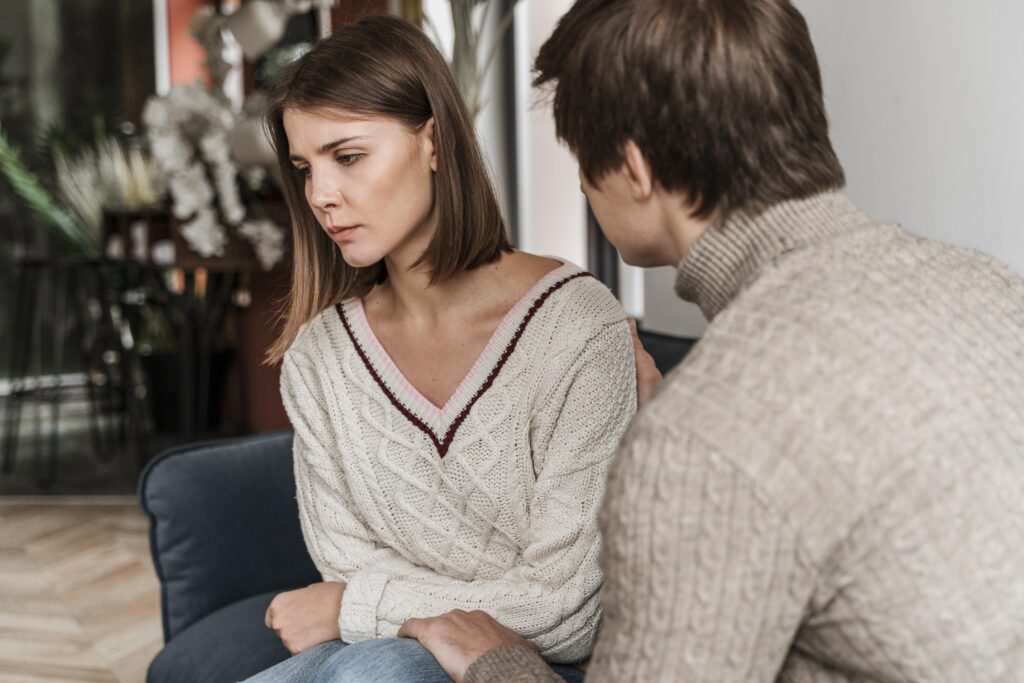
Indirect Expression of Anger
Passive aggression is the indirect expression of negative feelings instead of openly communicating them. Rather than saying “I am upset,” the person expresses frustration through behavior.
Common examples include:
- Giving the silent treatment
- Sarcastic comments disguised as jokes
- Deliberately procrastinating on agreed responsibilities
- “Forgetting” important tasks
- Backhanded compliments
- Agreeing outwardly but resisting inwardly
For example, a couple in Santa Monica might agree that the husband will help with weekend errands. Instead of expressing that he feels overwhelmed after a long workweek, he delays, complains subtly, or “forgets,” creating tension without direct confrontation.
The issue is not the errands. The issue is unspoken resentment.
Why Passive Aggression Develops
Fear of Conflict
Many people grew up in homes where direct anger was unsafe or punished. If expressing frustration led to criticism, yelling, or withdrawal, the child may have learned to hide anger.
As adults, they may struggle to say:
- “I am disappointed.”
- “I feel unappreciated.”
- “I disagree with you.”
Instead, frustration leaks out sideways.
In Los Angeles, where high-functioning professionals often value composure and image, emotional suppression can become habitual. Over time, unexpressed feelings surface indirectly.
How Passive Aggression Damages Relationships
Emotional Confusion and Resentment
The biggest problem with passive aggression is ambiguity. The receiving partner senses hostility but lacks clarity.
This can lead to:
- Constant second-guessing
- Escalating misunderstandings
- Defensive reactions
- Emotional exhaustion
- Growing resentment
For example, a wife in Brentwood may repeatedly hear sarcastic remarks about her spending habits but never a direct conversation about financial concerns. The unresolved tension builds silently.
Indirect conflict is often more destabilizing than direct disagreement because it erodes trust and transparency.
Signs You Are Experiencing Passive Aggression
You may notice:
- Your partner denies being upset but behaves coldly
- Conversations feel loaded with subtext
- You feel blamed without explicit accusations
- Important topics are avoided repeatedly
- Tasks are intentionally delayed
If these patterns feel familiar, addressing them early prevents deeper emotional distance.
What to Do If Your Partner Is Passive Aggressive
1. Address the Pattern Calmly and Directly
Do not mirror the behavior. Instead, bring it into the open.
You might say:
“I notice when we disagree, it sometimes shows up through sarcasm or silence. I would rather talk about it directly.”
Avoid attacking language like “You’re so passive aggressive.” Focus on observable behavior.
Clarity reduces confusion.
2. Invite Honest Expression
Passive aggression often reflects discomfort with direct vulnerability. Create emotional safety by asking open-ended questions.
- “Are you feeling frustrated about something?”
- “Is there something you would rather say directly?”
- “What are you actually upset about?”
In a couple from Pasadena, the husband frequently used humor to mask criticism. When his wife calmly asked him to speak directly instead of joking, he slowly began expressing dissatisfaction more honestly.
Emotional safety encourages directness.
3. Do Not Reward Indirect Communication
If your partner withholds affection or delays responsibilities to express anger, do not compensate by over-functioning.
For example, if your husband “forgets” to handle agreed tasks, resist immediately taking over. Calmly restate expectations.
“I understand you are busy, but we agreed you would handle this. If something changed, let’s talk about it.”
Consistency discourages avoidance.
4. Set Clear Boundaries
Passive aggression can escalate into emotional manipulation if left unchecked.
Boundaries may include:
- Refusing to engage in sarcastic exchanges
- Walking away from silent treatment cycles
- Declining to decode hidden messages
For example:
“If something is bothering you, I’m willing to talk. I won’t guess what’s wrong.”
Boundaries encourage accountability.
What If You Are the Passive Aggressive Partner?

Self-Reflection Is Critical
Ask yourself:
- Do I avoid direct conflict?
- Do I fear rejection if I speak openly?
- Do I feel powerless in certain areas of the relationship?
Passive aggression often reflects a sense of helplessness.
In Los Angeles, where career success and image are prioritized, some individuals struggle to express relational vulnerability because it feels like weakness.
Recognizing the pattern is the first step toward change.
How to Replace Passive Aggression With Healthy Communication
Practice Direct Emotional Statements
Instead of: “Fine, do whatever you want.”
Try: “I feel left out of that decision.”
Instead of sarcasm: “Must be nice to relax all day.”
Try: “I feel overwhelmed and need more support.”
Direct language reduces misunderstanding and builds trust.
Learn Emotional Regulation Skills
Passive aggression often surfaces when emotions feel overwhelming. Learning to regulate before speaking helps prevent indirect expression.
Strategies include:
- Pausing before responding
- Taking short breaks during conflict
- Identifying the core emotion beneath irritation
Dr Harel frequently teaches couples to slow down conversations and identify primary emotions rather than reacting impulsively.
When Passive Aggression Reflects Deeper Issues
Sometimes passive aggression masks:
- Long-term resentment
- Power imbalance
- Feeling unheard
- Fear of abandonment
- Low self-esteem
For example, in Manhattan Beach, a husband repeatedly agreed to social plans but expressed resentment afterward through irritability. Therapy revealed he felt pressured to maintain a lifestyle that exceeded his comfort level.
Indirect anger often points to unspoken dissatisfaction.
The Role of Couples Therapy
When passive aggression becomes chronic, structured intervention can help.
Dr Harel, a licensed clinical psychologist in Los Angeles with over 16 years of experience, works with couples to:
- Identify avoidance patterns
- Improve emotional safety
- Teach direct communication skills
- Address underlying resentment
- Rebalance power dynamics
Therapy provides a neutral space where indirect patterns can be explored without escalation.
Final Thoughts
Passive aggressive behavior may seem subtle, but its long-term impact on marriage can be significant. Indirect hostility creates confusion, insecurity, and emotional distance.
In Los Angeles, where stress, ambition, and fast-paced living can discourage open vulnerability, passive aggression often becomes a default coping strategy. However, healthy relationships require clarity and courage.
Dr Harel emphasizes that replacing passive aggression with direct, respectful communication strengthens trust and emotional intimacy. Whether you are experiencing it or recognizing it in yourself, the solution lies in bringing hidden resentment into the open.
Honest conversations may feel uncomfortable at first. But direct communication builds stronger, more resilient partnerships than silent resentment ever could.

Harel Papikian
Dr. Harel Papikian is a clinical psychologist and couples therapist with more than 15 years of experience. He offers marriage counseling and couples therapy in los Angeles. It help’s couples navigate their relationship challenges and deepen their connection. Our clinic uses a unique ARM method (Awareness, Release, Mastery) to achieve rapid and profound results for our clients. We serve a diverse clientele, including LGBTQ+ and heterosexual couples, addressing issues like communication breakdowns, conflict resolution, intimacy, and trust. You can also get individual therapy sessions for concerns like depression, anxiety, and trauma.
Leave a Reply