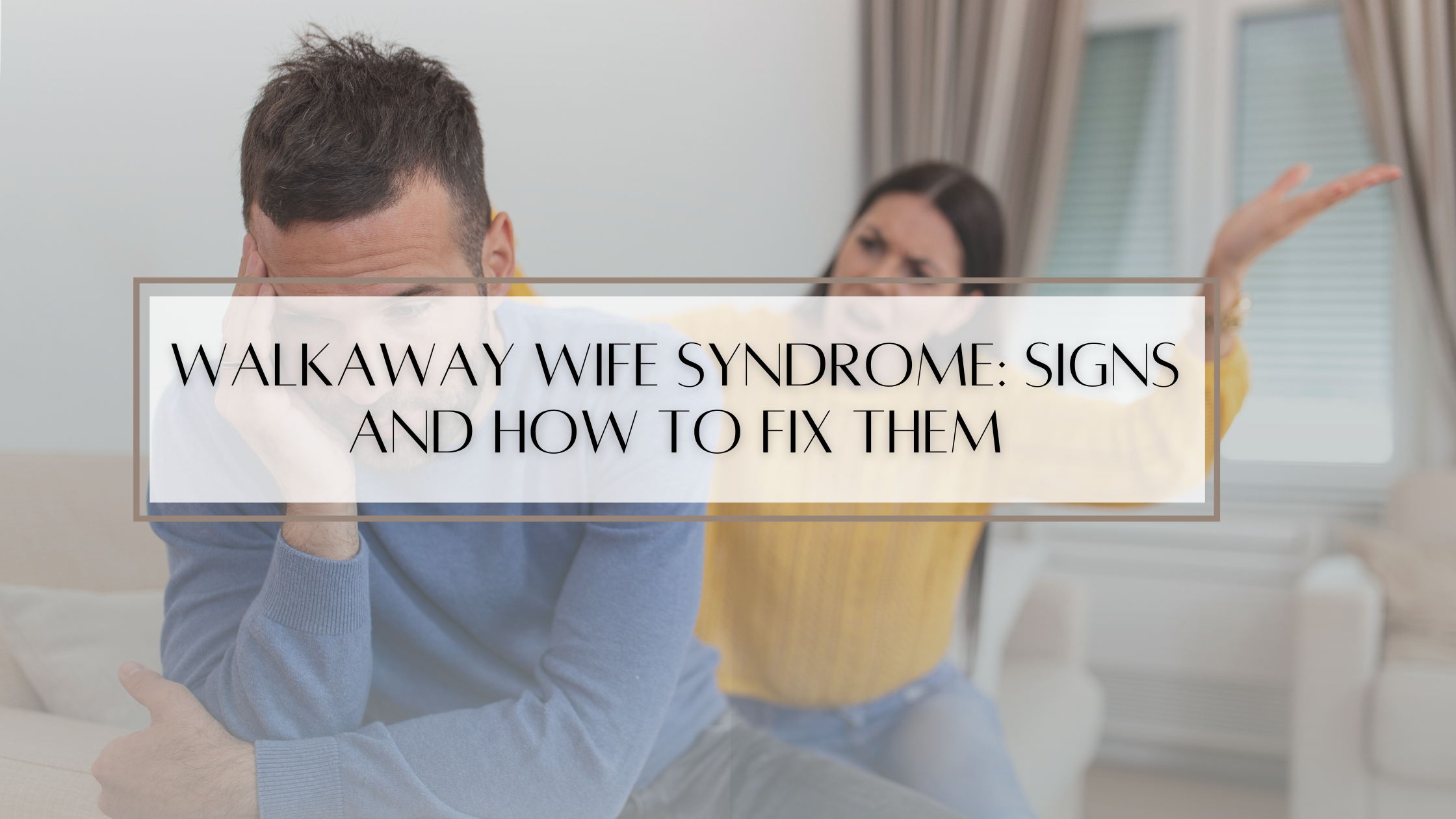
Walkaway Wife Syndrome: Signs and How to Fix Them
Many husbands are caught off guard when their wife suddenly says she wants out. On the outside, the relationship may seem stable. Daily routines continue, responsibilities get handled, and conflicts appear manageable. But deep beneath the surface, your wife may have been struggling for years. She may have expressed her needs repeatedly, tried to initiate change, or attempted to reconnect emotionally. Over time, when nothing seems to improve, she emotionally shuts down. This slow and quiet withdrawal is what therapists often describe as Walkaway Wife Syndrome.
Despite how it sounds, this phenomenon is not dramatic or impulsive. It is emotionally exhausting. Women who reach this stage usually did not stop caring overnight. They reached the point of numbness after long periods of feeling unheard, unseen, or unsupported. By the time they stop trying, they have already carried the emotional burden alone for far too long.
The encouraging part is that emotional withdrawal does not always mean the marriage is over. With the right understanding, genuine effort, and consistent change, many couples rebuild trust and connection. This blog explains the signs, causes, and actionable repair strategies based on patterns Dr. Harel Papikian frequently works with in his couples therapy practice in Los Angeles.
What Is Walkaway Wife Syndrome

Walkaway Wife Syndrome describes a pattern where a woman emotionally disconnects after years of feeling neglected, dismissed, or unimportant in her relationship. She often goes through several internal stages long before ever expressing the desire to leave. By the time she withdraws, she has usually tried everything she knew to improve the marriage.
It Is Emotional Exhaustion, Not Impulsiveness
She may have:
- Expressed her concerns many times
- Requested change and felt ignored
- Tried to reconnect emotionally
- Repeatedly carried the emotional labor alone
The walking away begins when hope slowly fades.
It Can Happen in Any Relationship
Though commonly described in heterosexual marriages, emotional withdrawal can happen to any partner regardless of gender. The core issue is emotional burnout, not gender roles.
Why Walkaway Wife Syndrome Happens
There is never a single cause. It is usually layers of unmet needs, unresolved conflict, and emotional disconnection that accumulate over time.
Emotional Neglect Over Time
- Emotional neglect does not mean cruelty. It often looks like:
- Not engaging in deeper conversations
- Dismissing concerns unintentionally
- Avoiding emotional topics
- Responding with logic instead of empathy
Over years, she may feel unheard and disconnect.
Unequal Household or Emotional Labor
Many wives carry both physical and emotional workloads. When they communicate burnout and nothing changes, emotional resentment grows.
Feeling Unappreciated
Appreciation is fuel for emotional connection. The lack of it slowly drains her desire to invest in the relationship.
Repeated Conflicts Without Change
The problem is not conflict itself. It is conflict that never leads to growth. When arguments repeat the same cycle, she may believe change is impossible.
Loss of Intimacy
Declines in affection, emotional closeness, or sexual intimacy make her feel like a roommate rather than a partner.
Signs Your Wife Is Emotionally Checking Out

Recognizing the signs early can prevent emotional shutdown from progressing.
She Stops Complaining
When she stops expressing concerns, it may mean she no longer believes communication will help.
She Shows Little Interest in Resolving Conflicts
Instead of engaging in discussions, she may stay silent, avoid confrontation, or appear indifferent.
She Reduces Emotional or Physical Affection
Hugs, hand-holding, or affectionate gestures may naturally fade as emotional disconnect deepens.
She Prioritizes Everything Else Over the Relationship
Work, children, hobbies, or friends may become her safe emotional spaces.
She Talks About Feeling Alone in the Relationship
Feeling lonely while living with a partner is one of the strongest indicators of emotional detachment.
She Mentally Plans a Life Without You
This could include thinking about financial independence, where she would live, or what life would look like post-separation.
How to Fix Walkaway Wife Syndrome
Rebuilding the relationship requires steady effort, patience, and genuine commitment. Repairing emotional withdrawal is possible, but it must be intentional and consistent.
Start With Honest Acknowledgment
Many wives feel validated simply when their partner admits, without minimization, that things have not felt right. Avoid defending, explaining, or arguing. Start with listening.
Improve Emotional Communication
She needs to feel emotionally safe before she can reconnect. Focus on:
- Reflective listening
- Asking open questions
- Validating emotions instead of solving them immediately
Emotional safety rebuilds trust.
Share Responsibilities More Fairly
Small, consistent changes in daily responsibilities have a significant impact. This includes mental load, not only physical tasks.
Rebuild Emotional and Physical Intimacy Gradually
Connection cannot be forced. Focus on shared activities, warm gestures, and steady emotional presence.
Address Longstanding Patterns
If arguments repeat the same loop, changing conflict patterns is essential. Couples therapy becomes extremely helpful here because it breaks negative cycles.
Show Change Through Actions, Not Promises
Withdrawn partners reconnect when they see consistent behavioral change, not temporary efforts.
How Dr. Harel Helps Couples Rebuild After Emotional Withdrawal

Dr. Harel works extensively with couples experiencing emotional disconnection and Walkaway Wife Syndrome. His structured therapeutic approach helps partners understand underlying issues, interrupt painful patterns, and rebuild emotional safety.
Clear Understanding of the Relationship Dynamics
He helps couples explore:
- When the disconnection began
- What emotional needs have been unmet
- How both partners have contributed to the current state
This creates clarity and direction.
Improving Communication Skills
Couples learn how to express needs without triggering defensiveness and how to listen without shutting down.
Repairing Broken Trust and Intimacy
Dr. Harel works to restore emotional bonding, comfort, and closeness through concrete, repeatable practices.
Helping Partners Reconnect With Empathy and Patience
He supports couples as they rebuild hope and rediscover what they value in each other.
Conclusion
Walkaway Wife Syndrome is not a dramatic exit. It is the final stage of emotional exhaustion. Women who reach this point usually spent years trying, hoping, and waiting for change. The good news is that emotional withdrawal does not always mean the relationship is over. With awareness, consistent effort, and genuine willingness to change, many couples heal deeply and reconnect in ways they never expected.
If you recognize your marriage in this pattern, now is the time to step forward. Understanding, emotional presence, and the right guidance can help you rebuild your relationship with a stronger, healthier foundation. Dr. Harel supports couples in Los Angeles who want to repair emotional distance, restore trust, and rediscover closeness. Through structured and supportive therapy, many couples find their way back to each other and build a renewed partnership that feels connected, safe, and fulfilling.

Harel Papikian
Dr. Harel Papikian is a clinical psychologist and couples therapist with more than 15 years of experience. He offers marriage counseling and couples therapy in los Angeles. It help’s couples navigate their relationship challenges and deepen their connection. Our clinic uses a unique ARM method (Awareness, Release, Mastery) to achieve rapid and profound results for our clients. We serve a diverse clientele, including LGBTQ+ and heterosexual couples, addressing issues like communication breakdowns, conflict resolution, intimacy, and trust. You can also get individual therapy sessions for concerns like depression, anxiety, and trauma.
Leave a Reply