10 Symptoms of Anxiety Attacks: Duration, Intensity and Key Differences
Feeling overwhelmed by a sudden rush of fear, tightness in your chest, or a sense that something terrible is about to happen can be terrifying. Many people experience these intense physical and emotional sensations without knowing what they are, which only increases panic and confusion. Anxiety attacks are more common than most people realize, yet they can be difficult to understand because they affect each person differently. Some feel an abrupt surge of fear lasting minutes, while others experience waves of symptoms that linger for hours.
Understanding anxiety attacks is important not only for those who experience them but also for their partners and families. With the right information, the fear becomes less mysterious, and the path toward healing becomes clearer. As a therapist working with individuals in Los Angeles, Dr Harel helps clients identify their patterns, understand their symptoms, and regain control through structured, research-supported therapeutic methods.
This guide explains the anxiety symptoms, causes, duration, intensity and how anxiety attacks differ from panic attacks. It also offers guidance on when to seek help and how working with a professional like Dr Harel can support the healing process.
Understanding Anxiety Attacks
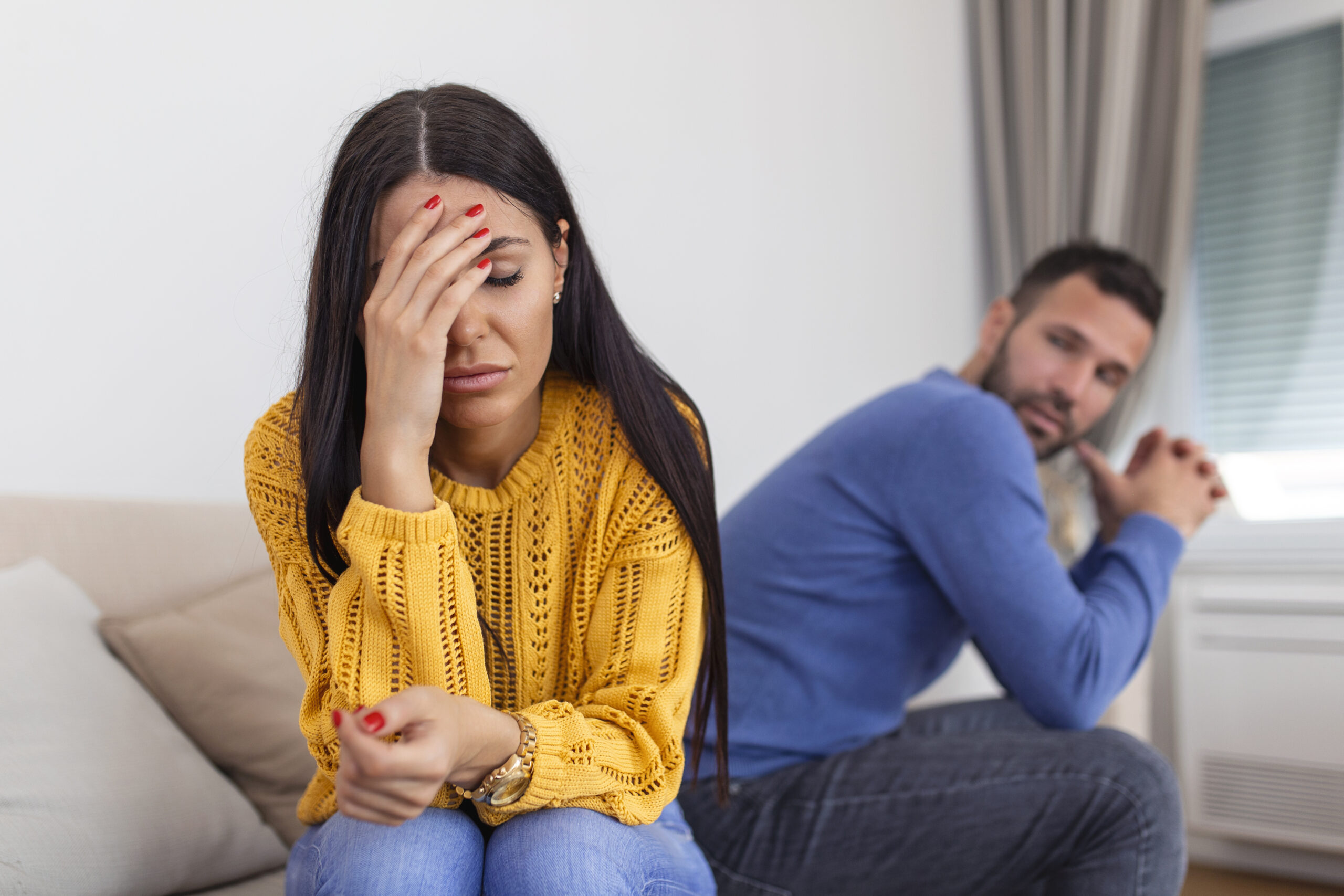
An anxiety attack is an episode of intense worry, nervous tension, or fear triggered by perceived stress or pressure. Unlike panic attacks, which often appear without warning, anxiety attacks usually build gradually. The symptoms are not random. They reflect the body’s natural stress response becoming overly activated.
People often describe anxiety attacks as feeling like their mind is racing, their chest feels tight, or something is wrong even if there is no real danger. These episodes can last from several minutes to several hours depending on the trigger, stress level, and coping skills available in that moment.
What Causes Anxiety Attacks
Anxiety attacks do not appear out of nowhere. They usually arise from a combination of emotional and physiological factors.
Common triggers include
- Ongoing stress at work or in relationships
- Unresolved emotional conflict
- Past trauma that has not been processed
- Sudden life changes such as breakups or job transitions
- Chronic worry about health, finances, or safety
- Perfectionism or fear of disappointing others
- Family history of anxiety disorders
Some clients report feeling an attack coming after weeks of suppressed tension. Others experience anxiety attacks when facing a conflict, deadline or emotionally charged interaction.
Understanding these triggers is an important part of therapy, as it helps individuals break the cycle before symptoms intensify.
Ten Symptoms of Anxiety Attacks
anxiety attacks symptoms affect the body and mind together. Each symptom offers a clue into what the nervous system is experiencing at that moment.
1. Intense Feeling of Dread
This is often the first sign that something is wrong. Fear does not always have a clear cause. It may feel like a threat is approaching or that something bad is about to happen. Many clients describe it as a heavy emotional cloud settling over them.
This emotional discomfort increases the urge to escape the situation, even if nothing dangerous is happening.
2. Rapid Heartbeat
The heart may start pounding faster than usual. This is part of the body’s stress response, preparing for perceived danger.
Some people fear they are having a heart-related problem, which increases anxiety and worsens the attack.
In therapy, individuals learn grounding techniques to regulate this physical response and reduce fear.
3. Shortness of Breath
Breathing may become quick, shallow, or uneven. This can make a person feel like they are not getting enough oxygen.
This symptom often leads to dizziness or lightheadedness. Controlled breathing is one of the most effective tools for managing this reaction.
4. Chest Tightness
Chest tightness does not always indicate a medical emergency. Often, it is a muscle response caused by stress.
The sensation may feel like pressure or heaviness in the chest. This symptom is one of the reasons anxiety attacks are often mistaken for heart attacks.
5. Feeling Detached or Dizzy
Many individuals report feeling unreal or disconnected from their surroundings.
This sensation, known as derealization, occurs when the mind becomes overwhelmed and temporarily distances itself from stress.
Grounding strategies are useful for reducing this disorienting feeling.
6. Shaking or Trembling
Physical trembling occurs when the body releases adrenaline during stress.
Some clients feel embarrassed by this symptom, especially in public settings, which increases worry and prolongs the attack.
7. Sweating
Sweating may increase suddenly even in a cool room. This is a natural stress response.
For some people, sweating appears on the palms or forehead. Others may feel their entire body heat up.
8. Difficulty Concentrating
During an anxiety attack, logical thinking becomes difficult.
The mind may jump from one thought to another, creating a mental fog or sense of confusion.
This cognitive overload makes decision making harder.
9. Nausea or Stomach Discomfort
The digestive system is sensitive to stress. Anxiety can cause nausea, stomach cramps, or a sudden urge to use the restroom.
This symptom often resolves once the attack passes.
10. A Strong Urge to Escape
This response is instinctive. When overwhelmed, the mind and body want to leave the situation immediately.
Some clients avoid certain places or activities because they fear experiencing another attack.
Therapy helps break this avoidance pattern so life becomes more open and flexible again.
Duration and Intensity of Anxiety Attacks

Anxiety attacks vary in intensity depending on emotional state, sleep, stress levels, and past experiences. Some attacks last a few minutes, while others come in waves over several hours.
A mild attack may cause discomfort but allow the person to continue their day. A severe attack may create overwhelming fear that makes functioning difficult.
Intensity also depends on how quickly the person notices the symptoms. Early recognition helps shorten the duration significantly.
In therapy, individuals learn how to spot early signs so they can use coping tools before the symptoms peak.
Key Differences Between Anxiety Attacks and Panic Attacks
Many people confuse the two, but they are not the same.
The table below helps differentiate them clearly.
| Feature | Anxiety Attack | Panic Attack |
| Onset | Gradual buildup | Sudden onset |
| Cause | Trigger-based stress | Often appears without warning |
| Duration | Minutes to hours | Usually peaks within 10 minutes |
| Emotional tone | Worry and fear | Extreme terror |
| Physical intensity | Moderate to severe | Very intense symptoms |
| Sense of control | Person may feel overwhelmed but aware | Feels overpowering and uncontrollable |
Understanding this difference helps reduce fear and guides the correct treatment approach.
When to Seek Professional Support
Anxiety attacks are treatable, but many people struggle silently because they do not realize they can get help.
You should consider therapy if:
- Anxiety attacks interfere with daily responsibilities
- You avoid locations, conversations, or situations out of fear
- Your sleep, appetite, or energy levels have changed
- The attacks are becoming more frequent or intense
- You feel emotionally exhausted or overwhelmed
Getting support early prevents symptoms from escalating and creates long term emotional resilience.
How Dr Harel Helps Clients Recover From Anxiety Attacks
Working with a therapist provides a safe space to understand your emotional patterns, explore triggers, and learn healthier ways to respond to stress.
In sessions, Dr Harel uses structured, practical methods to help clients:
Identify Thought Patterns
Understanding cognitive patterns that trigger anxiety attacks helps reduce their power. Clients learn how to shift their thinking toward clarity instead of fear.
Rebuild Emotional Awareness
Many anxiety attacks begin when emotional signals are ignored.
Through guided exploration, clients learn to understand their emotions early and respond with intention.
Strengthen Nervous System Regulation
Clients learn breathing exercises, grounding methods, and mindfulness skills that support a calmer internal state.
Break Avoidance Cycles
Avoiding fear reinforces anxiety.
Dr Harel helps individuals rebuild confidence so life becomes more open and manageable.
Conclusion
anxiety attacks symptoms can feel overwhelming, but they are not a sign of personal weakness or failure. They are a natural response to stress becoming too intense for the body and mind to manage at once. With the right understanding, tools, and support, these symptoms can be reduced, managed, and in many cases eliminated.
If you are experiencing anxiety attacks symptoms or feel stuck in a cycle of fear, therapy can help you regain control.
Dr Harel offers practical, structured support for individuals in Los Angeles who want to feel calmer, more confident, and more emotionally balanced.
Whenever you’re ready, I can write the next topic as well.

Harel Papikian
Dr. Harel Papikian is a clinical psychologist and couples therapist with more than 15 years of experience. He offers marriage counseling and couples therapy in los Angeles. It help’s couples navigate their relationship challenges and deepen their connection. Our clinic uses a unique ARM method (Awareness, Release, Mastery) to achieve rapid and profound results for our clients. We serve a diverse clientele, including LGBTQ+ and heterosexual couples, addressing issues like communication breakdowns, conflict resolution, intimacy, and trust. You can also get individual therapy sessions for concerns like depression, anxiety, and trauma.
Leave a Reply