
When to Walk Away From a Relationship: 10 Clear Signs
Relationships are beautiful, messy, rewarding, and sometimes… painfully complicated. Many couples enter relationships with hope and commitment, and some even explore a premarital counseling service to build a stronger foundation before marriage. Yet even with preparation, love, effort, and loyalty can carry a relationship through many storms—but sometimes, even that isn’t enough.
There are moments when holding on starts to hurt more than letting go. When staying costs you your peace of mind, your self-respect, and even your dreams for the future, it may be time to reconsider. In situations like these, some couples turn to couple therapy in LA to better understand their struggles and explore whether healing the relationship is possible.
Yet, recognizing that moment is incredibly hard. Emotions cloud your judgment. Memories pull at your heart. Guilt whispers that you’re giving up too soon. You question yourself constantly: Is it just a rough patch? Or is this the end of the road?
If you find yourself stuck in that painful uncertainty, this guide is here to help. In this article, we’ll walk through the signs, emotions, and truths that can bring you the clarity and courage you need to make the right choice for your happiness and growth.
Signs It May Be Time to Walk Away From a Relationship
1. You Feel Constantly Drained, Not Energized

Every relationship requires work, but it shouldn’t feel like a full-time emotional drain.
When being around your partner constantly exhausts you — mentally, emotionally, even physically — it’s a serious sign that the relationship may be unhealthy.
You deserve a love that lifts you, not one that leaves you empty.
Example: If you find yourself sighing with relief when you’re finally away from your partner, take that feeling seriously.
2. Respect Has Eroded
Respect is the foundation of any healthy relationship. Once it’s gone, rebuilding it is almost impossible.
If your partner belittles you, mocks your dreams, dismisses your feelings, or treats you like you’re “less than” — it’s not love, it’s control or neglect.
Quick Check: Notice if you’re constantly second-guessing yourself, apologizing when you’re not at fault, or walking on eggshells to avoid conflict. That’s not respect.
3. Communication Feels Like Talking to a Wall

Healthy communication isn’t about agreeing on everything — it’s about feeling heard and understood even when you disagree. Professionals like Dr. Harel Paipikin often emphasize that open dialogue and emotional safety are the foundation of a strong and lasting relationship.
If every conversation feels like a battle, if you’re constantly misunderstood, ignored, or shut down, the connection weakens. Many couples begin to question deeper issues in their relationship and even wonder about solutions like therapy, including understanding the couples therapy cost and whether professional support could help rebuild communication.
Over time, resentment builds, and without communication, there’s no way to fix it.
Tip: Ask yourself: “When was the last time we had an open-hearted conversation without blame or defensiveness?”
4. You’re Always the One Making Sacrifices
Compromise is necessary in any partnership, but it should be mutual. If you’re the one constantly bending, sacrificing, or adjusting — while your partner rarely meets you halfway — that’s imbalance, not partnership.
Over time, it can lead to bitterness, low self-worth, and emotional exhaustion.
Example: If you always cancel plans, shift your dreams, or put your happiness aside for them, it’s not sustainable.
5. There’s Repeated Emotional or Verbal Abuse
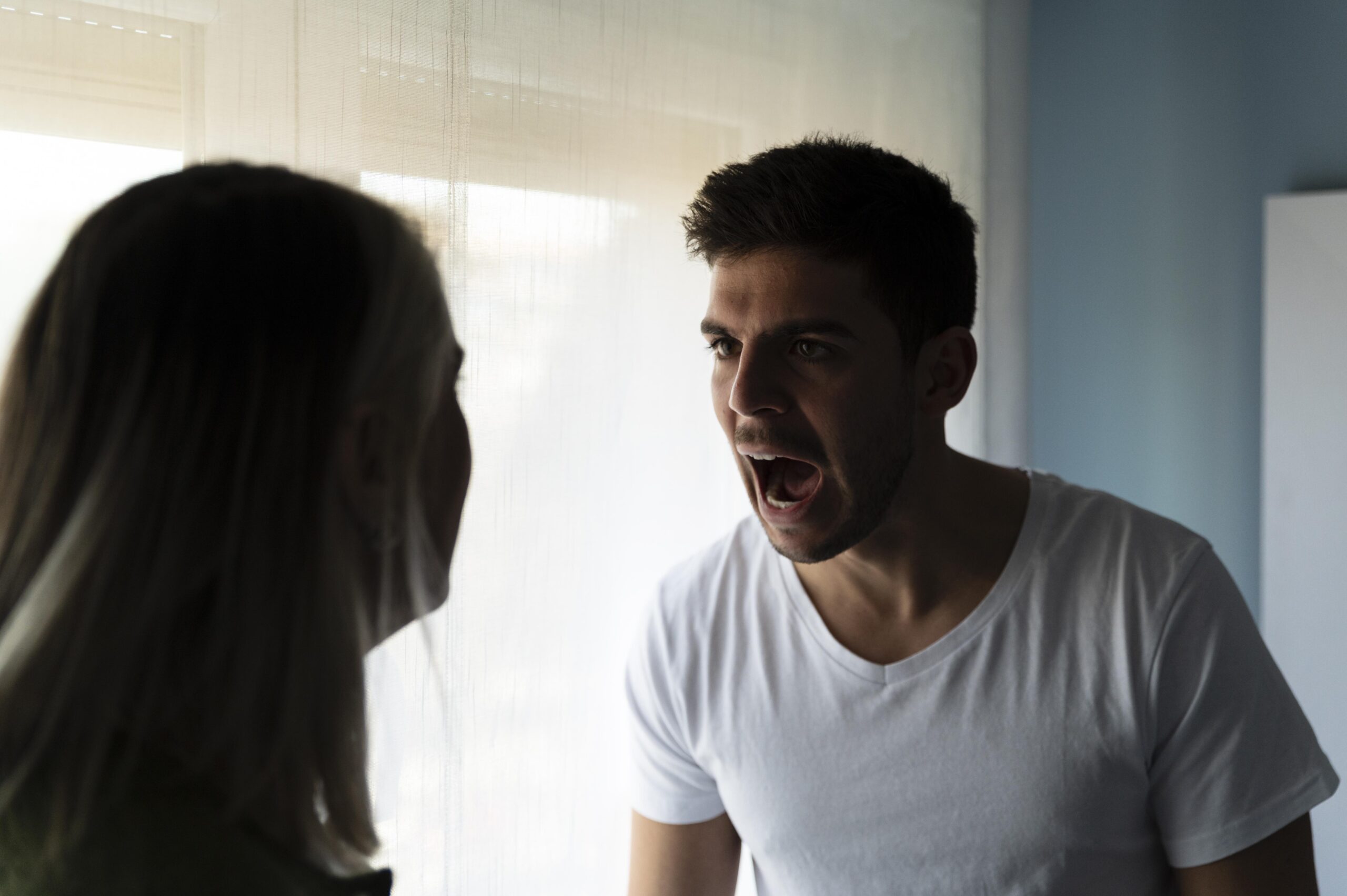
Love is not supposed to hurt.
If your partner yells, manipulates, gaslights, humiliates, or emotionally punishes you — it’s not a “phase” or “stress” — it’s abuse. And it tends to escalate, not fade.
Important: Abuse doesn’t have to be physical to be serious. If your mental health is deteriorating because of their behavior, it’s time to prioritize your well-being.
6. You’re Staying Because You’re Scared of Being Alone
Fear of loneliness is a powerful emotion — but it’s not a good enough reason to stay.
If you’re clinging to the relationship just to avoid being alone, you’re not honoring your true worth or your potential to find something better.
Reality Check: Being alone is tough, but being with the wrong person is tougher, lonelier, and more damaging in the long run.
7. Trust Is Broken — And Can’t Be Rebuilt

Betrayal, repeated lies, secrecy — these things shatter trust. And without trust, there’s no real relationship.
Some couples can rebuild trust after a breach, but it requires sincere effort from both sides. If that effort isn’t there — or if the same betrayals keep happening — it may be time to walk away.
Ask Yourself: “Can I honestly see myself trusting them again… or am I just pretending to cope?”
8. You’ve Grown, but They’re Stuck
People change — that’s normal. But when you’re growing emotionally, mentally, or even professionally, and your partner refuses to evolve, it can create a chasm between you.
Relationships thrive when both people inspire and encourage growth, not when one pulls the other down.
Example: Maybe you’re aiming for a healthier lifestyle, a more fulfilling career, or deeper emotional connection — but your partner resists, mocks, or sabotages your growth.
9. Your Future Goals Are No Longer Aligned
In the beginning, love often feels strong enough to bridge any gap, even in relationships like an interfaith marriage where partners may come from different cultural or religious backgrounds.
But over time, differing values — about kids, finances, careers, where to live, or what kind of life you want — start to matter much more.
If your dreams for the future are fundamentally different and neither of you is willing to compromise, love alone may not be enough to resolve those differences.
Think About: Are you holding on to a fantasy that they’ll change? Or are you honestly aligned in the things that matter long-term?
10. You Feel Like You’ve Already Let Go Emotionally
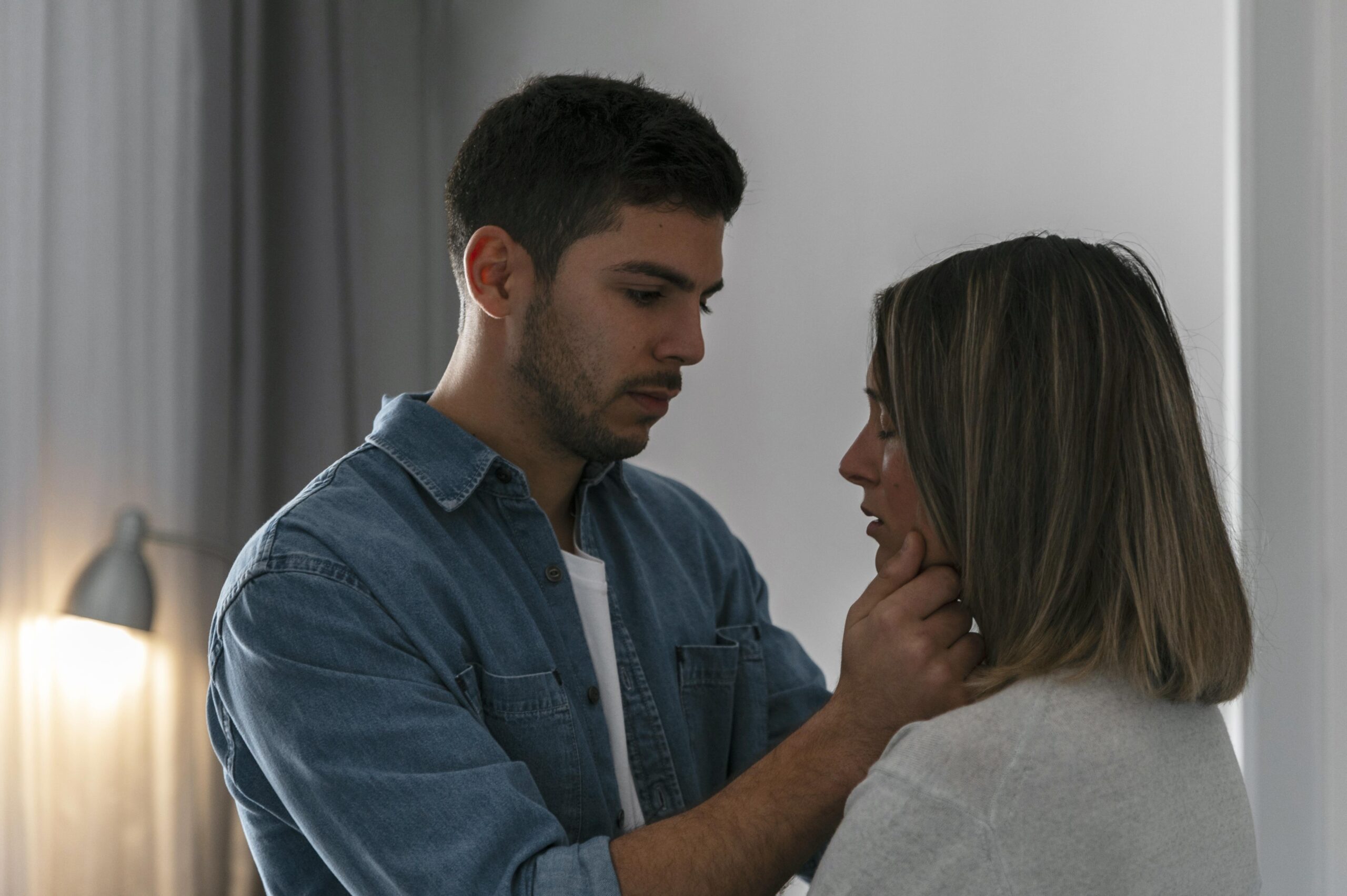
Sometimes the heart leaves before the body does.
If you feel emotionally detached, indifferent, or numb toward your partner, it might be a sign you’ve already outgrown the relationship.
Sign: You don’t get excited about seeing them. Their absence doesn’t bother you anymore. You imagine your future without them — and feel relief, not sadness.
Conclusion: Loving Yourself Enough to Walk Away
Deciding to leave a relationship — especially one you’ve invested time, emotion, and hope into — is incredibly painful. Many people also begin reflecting on deeper emotional healing and may even ask how long does it take for therapy to work when trying to process the pain of a difficult relationship decision. But sometimes, loving yourself means making the hardest choice.
It means trusting that you deserve more than constant sadness, disrespect, or loneliness within a partnership. It means believing that your peace, growth, and happiness are worth fighting for — even if it means walking away.
Remember:
- Walking away isn’t giving up. It’s choosing yourself.
- Letting go isn’t failure. It’s strength.
- Ending one story makes room for a better one.
- If you’re resonating with these signs, trust your instincts.
- A healthy relationship should feel like home — safe, warm, and supportive.
- If it feels more like a battlefield, it’s time to pack up your heart and find your peace.
- You deserve that — and if you ever feel stuck in the process, reaching out to the best therapist near me can provide clarity, support, and guidance during difficult transitions.
FAQs (Frequently Asked Question)
Leaving a relationship can be emotionally challenging, especially when there is still love involved. Preparing yourself often involves accepting your feelings, building a support system, and gaining clarity about why the relationship is no longer working.
Yes, many people feel guilt when ending a relationship, even if it’s the right decision. This often comes from shared history, emotional attachment, or fear of hurting the other person, rather than the relationship being healthy.
It’s important to reflect on whether efforts like communication, compromise, or seeking help have been tried consistently. Relationships usually end due to repeated unresolved patterns rather than a single issue.
Staying in an unhealthy relationship can lead to emotional exhaustion, low self-esteem, anxiety, and feeling disconnected from yourself over time.
Ending a relationship respectfully involves being honest, clear, and compassionate. Choosing the right time and setting, and communicating your decision without blame, can help both partners process the transition more healthily.
Yes, couples therapy can help partners understand deeper patterns, improve communication, and determine whether the relationship can be repaired or if separation is the healthiest path forward.

Harel Papikian
Dr. Harel Papikian is a clinical psychologist and couples therapist with more than 15 years of experience. He offers marriage counseling and couples therapy in los Angeles. It help’s couples navigate their relationship challenges and deepen their connection. Our clinic uses a unique ARM method (Awareness, Release, Mastery) to achieve rapid and profound results for our clients. We serve a diverse clientele, including LGBTQ+ and heterosexual couples, addressing issues like communication breakdowns, conflict resolution, intimacy, and trust. You can also get individual therapy sessions for concerns like depression, anxiety, and trauma.
Leave a Reply