Why Do Some People Get Defensive Instead of Communicating in Relationships?
Defensiveness is one of the most common communication patterns that disrupts relationships. It often shows up quickly, sometimes within seconds of a conversation starting, and can shut down meaningful dialogue before it even begins. One partner raises a concern, and instead of engaging, the other reacts with denial, justification, or counter-criticism.
While this behavior may appear dismissive or even hostile, defensiveness is rarely intentional. In most cases, it is a psychological response rooted in protection rather than avoidance. Dr. Harel often helps couples recognize these patterns through couples therapy and premarital counseling, where improving communication and emotional awareness are key parts of building healthier relationships. Understanding why defensiveness happens is essential for improving communication and strengthening relationships.
What Does Defensiveness Look Like?
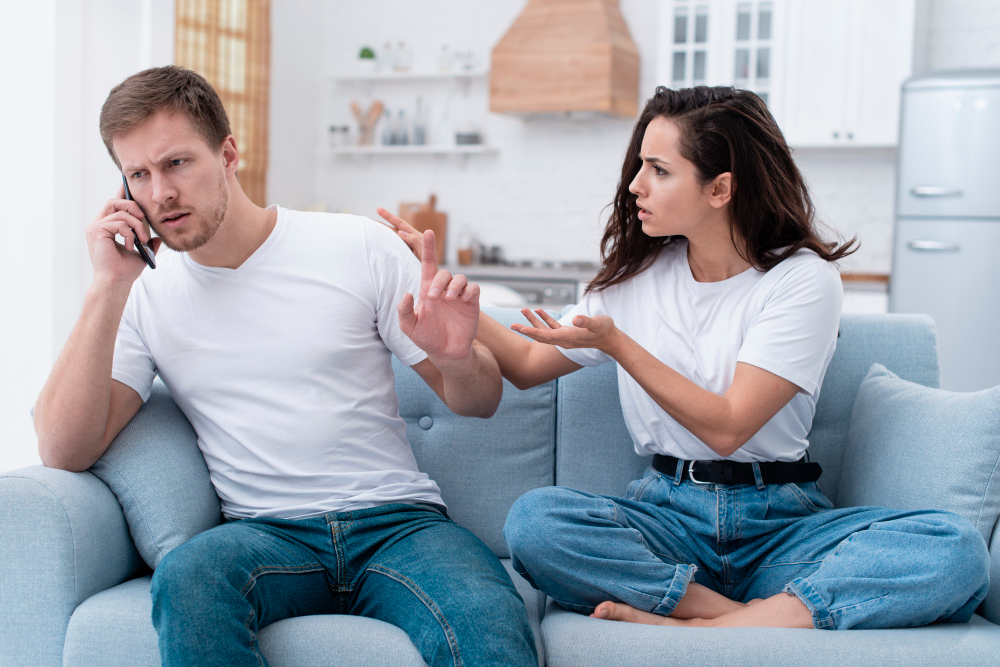
Defensiveness can take many forms, and it is not always obvious at first.
Common signs
- Denying responsibility immediately
- Justifying actions instead of listening
- Shifting blame back to the partner
- Responding with “You do the same thing”
- Minimizing the issue being raised
For example, if one partner says, “I feel like you haven’t been present lately,” a defensive response might be, “I’ve been busy, and you’re overreacting.” This shifts the focus away from the concern and onto protecting oneself.
The Psychology Behind Defensiveness
Defensiveness is not just a communication issue. It is a psychological reaction tied to how people perceive threat, criticism, and self-worth.
1. Perceived Criticism Feels Like a Personal Attack
Many people interpret feedback as criticism, even when it is expressed calmly. The brain processes this as a threat to self-image.
Instead of hearing, “This behavior is affecting me,” the message is often interpreted as, “There is something wrong with you.”
This triggers an immediate need to protect oneself, leading to defensive reactions.
2. Fear of Blame or Being Wrong
For some individuals, being wrong feels uncomfortable or even unsafe. This is often shaped by past experiences where mistakes were met with harsh judgment or consequences.
As a result, admitting fault becomes difficult. Defensiveness acts as a shield to avoid blame.
| Underlying Fear | Defensive Response |
| “I will be judged” | Denial or justification |
| “I will be blamed” | Shifting responsibility |
| “I will lose respect” | Counter-criticism |
3. Low Emotional Awareness
Not everyone is equally skilled at identifying and expressing emotions. When someone struggles to process what they feel, they may default to defensiveness.
For example, instead of saying, “I feel overwhelmed,” a person may respond with irritation or withdrawal because they cannot articulate their internal state clearly.
4. Past Relationship Experiences
Previous relationships, including family dynamics, play a major role in shaping communication patterns.
- Growing up in a highly critical environment can make a person hypersensitive to feedback
- Experiencing frequent conflict may lead to protective communication habits
- Being ignored or dismissed in the past can create a need to defend oneself quickly
These patterns often carry into adult relationships without conscious awareness.
5. Fear of Conflict Escalation
Some people become defensive because they associate discussions with arguments.
If past conversations have led to conflict, they may try to protect themselves by shutting down or pushing back early.
For instance, if every discussion about responsibilities has previously turned into a fight, even a neutral comment can trigger defensiveness.
How Defensiveness Impacts Relationships
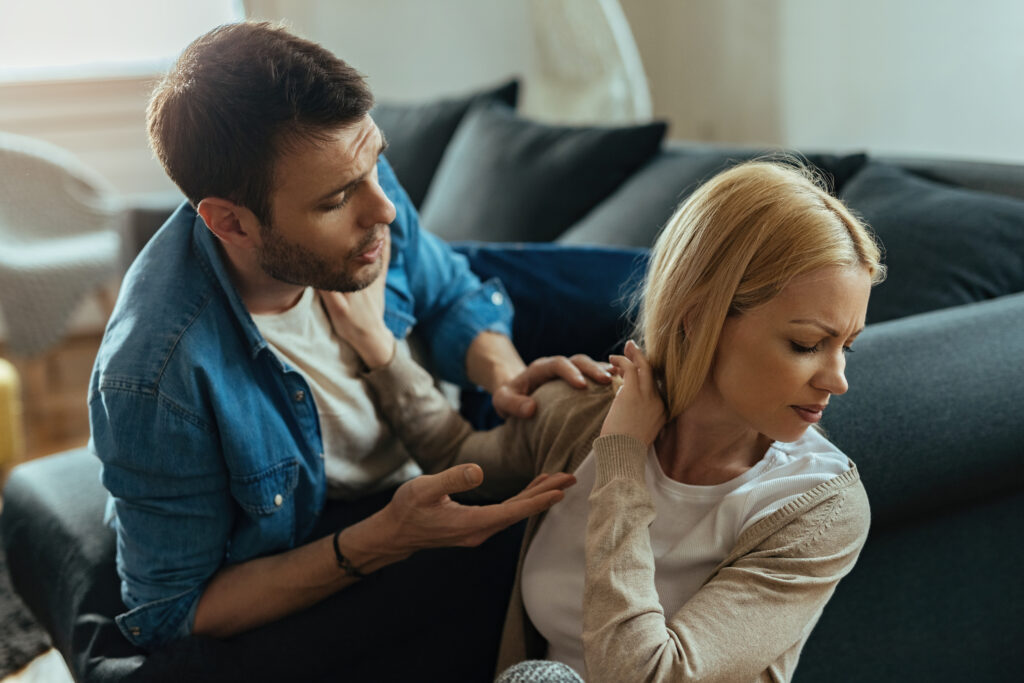
While defensiveness is protective in intent, it often has the opposite effect on relationships.
1. Breaks Down Communication
Defensiveness shifts the focus from understanding to self-protection. Conversations become unproductive, with both partners feeling unheard.
2. Escalates Conflict
A defensive response often leads to frustration in the other partner, which can escalate into criticism or anger.
| Trigger | Reaction | Outcome |
| Concern raised | Defensive response | Partner feels dismissed |
| Partner reacts emotionally | More defensiveness | Conflict escalates |
3. Creates Emotional Distance
When concerns are repeatedly dismissed, partners may stop expressing themselves altogether. Over time, this leads to emotional withdrawal and disconnection.
4. Undermines Trust
Healthy relationships rely on openness and accountability. Defensiveness can make it difficult to address issues honestly, which weakens trust over time.
Why Some People Are More Defensive Than Others

Defensiveness varies from person to person. Some individuals are more prone to it due to a combination of personality traits and life experiences.
Common contributing factors
- High sensitivity to criticism
- Perfectionist tendencies
- Past experiences of being judged or criticized
- Difficulty regulating emotions
- Low self-esteem
For example, someone who ties their self-worth to being “right” may struggle more with accepting feedback and become defensive more quickly.
How to Respond to a Defensive Partner
Addressing defensiveness requires a thoughtful approach. Reacting with frustration often worsens the situation.
Effective strategies
- Use non-blaming language
Focus on how you feel rather than what the other person did.
For example, “I feel unheard when this happens” instead of “You never listen.”
- Stay calm and regulated
Emotional intensity can increase defensiveness. Keeping a steady tone helps create safety.
- Acknowledge their perspective
Even if you disagree, showing understanding can reduce the need for them to defend themselves.
- Choose the right timing
Sensitive conversations are more effective when both partners are calm and available.
How to Reduce Your Own Defensiveness

If you notice defensive patterns in yourself, awareness is the first step toward change.
Practical steps
- Pause before responding
Give yourself time to process what is being said instead of reacting immediately.
- Focus on understanding
Ask yourself, “What is my partner trying to communicate?” rather than “How do I respond?”
- Accept imperfection
Being wrong or making mistakes does not define your worth.
- Practice accountability
Acknowledging even a small part of the issue can shift the tone of the conversation.
Healthy Communication vs Defensive Communication
| Pattern | Defensive Communication | Healthy Communication |
| Response to feedback | Denial or blame | Curiosity and openness |
| Focus | Self-protection | Mutual understanding |
| Tone | Reactive | Calm and intentional |
| Outcome | Escalation | Resolution |
When Defensiveness Becomes a Pattern
Occasional defensiveness is normal. However, when it becomes a consistent pattern, it can significantly affect relationship quality.
Signs that it may require deeper attention include:
- Repeated unresolved conflicts
- Avoidance of important conversations
- Persistent feelings of being unheard
- Growing emotional distance
In such cases, professional support can help identify underlying patterns and develop healthier communication strategies.
Final Thoughts
Defensiveness is not a sign that someone does not care about the relationship. In many cases, it reflects a deeper need to protect oneself from perceived criticism, rejection, or conflict.
However, when left unaddressed, it can block meaningful communication and create emotional distance between partners. Over time, this pattern may contribute to issues such as stonewalling in relationships, resentment, and unhealthy communication habits.
Understanding the root causes of defensiveness allows couples to move from reaction to awareness. With intentional effort, open dialogue, and a focus on emotional safety, it is possible to replace defensiveness with connection and build stronger, more resilient relationships. For couples struggling with ongoing communication challenges, couples therapy can help improve emotional understanding, trust, and healthy conflict resolution.
Frequently Asked Questions (FAQs)
Yes. Many people become defensive automatically without realizing it. Defensiveness is often a learned emotional response connected to fear, criticism, shame, or past experiences. A person may feel emotionally threatened during conversations and react by denying, blaming, or shutting down before fully processing what their partner is saying.
Not necessarily. Occasional defensiveness can happen in healthy relationships, especially during stressful or emotional situations. It becomes harmful when it happens repeatedly, prevents honest communication, and makes one or both partners feel unheard, blamed, or emotionally unsafe over time.
Defensiveness can slowly reduce emotional closeness because it blocks vulnerability and open conversation. When partners feel they cannot express concerns without triggering arguments or excuses, they may stop sharing emotions altogether. This often creates distance, frustration, and loneliness within the relationship.
Yes. People who grew up around criticism, conflict, emotional neglect, or harsh judgment may develop defensive habits as a form of self-protection. In adult relationships, these patterns can continue even when their partner is not trying to hurt them. Therapy can help identify and change these reactions.
Healthy boundaries involve calmly expressing personal limits, needs, or discomfort while still listening and communicating respectfully. Defensiveness, on the other hand, often involves avoiding responsibility, reacting emotionally, or dismissing the other person’s concerns instead of addressing the issue constructively.
Couples should consider therapy when defensiveness leads to repeated arguments, emotional withdrawal, communication breakdowns, or unresolved resentment. Professional support can help partners understand emotional triggers, improve communication patterns, and create healthier ways to respond during conflict.

Harel Papikian
Dr. Harel Papikian is a clinical psychologist and couples therapist with more than 15 years of experience. He offers marriage counseling and couples therapy in los Angeles. It help’s couples navigate their relationship challenges and deepen their connection. Our clinic uses a unique ARM method (Awareness, Release, Mastery) to achieve rapid and profound results for our clients. We serve a diverse clientele, including LGBTQ+ and heterosexual couples, addressing issues like communication breakdowns, conflict resolution, intimacy, and trust. You can also get individual therapy sessions for concerns like depression, anxiety, and trauma.
Pingback: Why Feeling Heard Matters More Than Being Right in a Relationship