Emotional Cheating vs Physical Cheating: What Hurts More and Why?
Infidelity is one of the most painful experiences in a relationship, but not all forms of cheating look the same. While physical cheating is often easier to define, emotional cheating can be more subtle, complex, and difficult to identify. Yet in many relationships, emotional betrayal can feel just as damaging, if not more.
With 16 years of experience as a licensed clinical psychologist in Los Angeles, Dr. Harel has worked with couples navigating different forms of betrayal. A common question that arises in therapy is clear. What hurts more, emotional cheating or physical cheating?
The answer is not always straightforward. The impact depends on individual values, relationship boundaries, and the meaning attached to the betrayal. This article breaks down the differences, psychological effects, and why certain types of cheating may feel more painful than others.
Understanding Emotional and Physical Cheating

Before comparing the impact, it is important to clearly define both forms of infidelity.
Emotional Cheating
Emotional cheating involves forming a deep emotional connection with someone outside the relationship in a way that compromises the primary partnership.
This may include:
- Sharing personal thoughts and feelings more openly with someone else than with a partner
- Seeking emotional support or validation outside the relationship
- Developing intimacy that begins to replace the primary bond
For example, regularly confiding in a co-worker about personal struggles while withholding those conversations from a partner can gradually shift emotional intimacy away from the relationship.
Physical Cheating
Physical cheating involves engaging in sexual or physically intimate acts with someone outside the relationship.
This may include:
- Kissing or sexual activity
- Physical closeness that crosses agreed boundaries
- One-time or repeated encounters
For instance, a one-time physical encounter during a work trip in Los Angeles would fall under this category, even if there is no ongoing emotional involvement.
Key Differences at a Glance
| Aspect | Emotional Cheating | Physical Cheating |
| Nature of connection | Emotional and psychological | Physical and sexual |
| Visibility | Often hidden and gradual | Usually more defined and explicit |
| Duration | Can develop over time | May be one-time or ongoing |
| Awareness | May not feel like cheating initially | Usually recognized as cheating |
| Impact on intimacy | Shifts emotional bond away from partner | Breaks physical exclusivity |
Why Emotional Cheating Can Hurt More
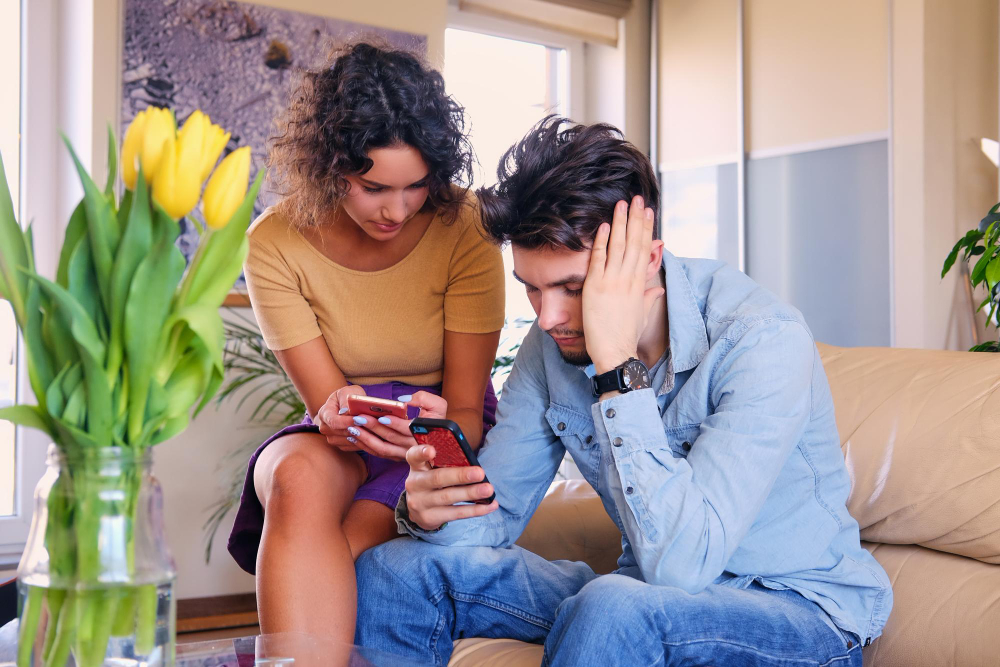
While both forms of betrayal are painful, many individuals report that emotional cheating cuts deeper. This is largely due to how relationships are built on emotional connection.
1. Loss of Emotional Intimacy
Emotional closeness is the foundation of most relationships. When a partner invests that intimacy elsewhere, it can feel like a direct replacement.
For example, discovering that a partner shares their thoughts, fears, and daily experiences with someone else can create a sense of emotional abandonment.
2. Ongoing Nature of the Bond
Emotional cheating is rarely a one-time event. It often develops gradually and continues over time.
This prolonged connection can make the betrayal feel more intentional and deeply rooted compared to a single physical encounter.
3. Feeling Replaced Rather Than Betrayed
Physical cheating may feel like a violation of boundaries. Emotional cheating, however, often feels like being replaced.
This distinction is important. Being replaced challenges one’s sense of importance and value within the relationship.
Why Physical Cheating Can Feel More Devastating
For others, physical cheating is more painful because it directly violates clear and agreed boundaries.
1. Breach of Trust and Exclusivity
Most relationships are built on an understanding of physical exclusivity. When that boundary is broken, it creates a clear rupture in trust.
For instance, a sexual encounter outside the relationship may immediately trigger feelings of shock, anger, and betrayal.
2. Tangible and Immediate Impact
Physical cheating is often easier to identify and harder to rationalize. There is less ambiguity, which can make the emotional reaction more intense.
3. Cultural and Personal Beliefs
Cultural norms and personal values often place a strong emphasis on physical fidelity. As a result, physical cheating may feel more unacceptable or unforgivable for some individuals.
Emotional vs Physical Cheating: What Hurts More?

There is no universal answer, but patterns observed in therapy provide useful insight.
When emotional cheating hurts more
- When emotional intimacy is highly valued in the relationship
- When the connection with the third person is ongoing
- When secrecy and emotional withdrawal are present
When physical cheating hurts more
- When physical exclusivity is a core boundary
- When the act is perceived as intentional or repeated
- When it contradicts deeply held personal or cultural values
The Overlap Between Emotional and Physical Cheating
In many cases, emotional and physical cheating are not separate. One often leads to the other.
| Stage | Description |
| Initial connection | Casual interaction or friendship |
| Emotional investment | Increased sharing and reliance |
| Secrecy | Hiding communication from partner |
| Boundary crossing | Flirtation or suggestive behavior |
| Physical involvement | Escalation into physical intimacy |
For example, a friendship with a colleague may begin innocently, evolve into daily emotional reliance, and eventually cross into physical boundaries.
The Role of Secrecy and Intent
What often determines the level of hurt is not just the act itself, but the intent and secrecy behind it.
Key factors that intensify pain
- Secrecy
Hiding conversations or actions creates a sense of deception.
- Emotional investment
The deeper the connection, the more significant the betrayal feels.
- Repeated behavior
Patterns of behavior are often more damaging than isolated incidents.
For instance, regularly deleting messages or hiding interactions can feel more hurtful than the interaction itself because it signals awareness of wrongdoing.
Psychological Impact on the Partner

Both emotional and physical cheating can have significant emotional consequences.
Common reactions
- Loss of trust
- Anxiety and overthinking
- Lowered self-esteem
- Anger and resentment
- Difficulty feeling secure in the relationship
Over time, these reactions can affect not just the relationship, but also individual mental well-being.
Can a Relationship Recover?
Recovery is possible, but it depends on several factors.
What supports healing
- Honest and open communication
- Acknowledgment of the betrayal
- Willingness to rebuild trust
- Clear boundaries moving forward
What makes recovery difficult
- Continued secrecy
- Lack of accountability
- Minimizing the impact of the betrayal
For example, dismissing emotional cheating as “not serious” can delay healing and deepen hurt.
How to Prevent Both Forms of Cheating
Prevention begins with awareness and intentional relationship practices.
Practical steps
- Define boundaries early
Discuss what both partners consider unacceptable behavior.
- Prioritize emotional connection
Regularly check in and share thoughts and feelings with each other.
- Maintain transparency
Openness reduces suspicion and builds trust.
- Address dissatisfaction early
Unmet emotional needs can increase vulnerability to external connections.
When to Seek Professional Support
Infidelity often brings complex emotions that are difficult to navigate alone. Therapy can provide a structured space to process feelings, rebuild trust, and understand underlying issues.
Dr. Harel works with couples to address both emotional and physical infidelity, helping them move toward clarity, healing, and stronger communication.
Final Thoughts
Emotional cheating and physical cheating both have the potential to deeply hurt a relationship, but they do so in different ways. Emotional cheating often challenges connection and belonging, while physical cheating violates clear boundaries and trust.
What hurts more depends on individual values and the meaning attached to the experience. However, one common truth remains. Betrayal, in any form, impacts the foundation of a relationship.
Recognizing the signs early, maintaining open communication, and setting clear boundaries can help protect and strengthen relationships in the long run.
Frequently Asked Questions (FAQs)
Yes. Emotional cheating does not always begin with romantic intentions. It can start as a friendship that slowly becomes emotionally exclusive or overly intimate. When someone begins sharing personal thoughts, emotional struggles, or relationship frustrations with another person instead of their partner, emotional boundaries can become blurred. Over time, this can weaken trust and emotional closeness within the relationship.
Many people feel emotional cheating is more painful because it involves emotional investment, secrecy, and intimacy. Physical cheating may sometimes be viewed as impulsive or temporary, while emotional cheating often develops over time through consistent attention, emotional bonding, and deep personal connection. This can make a partner feel emotionally replaced or disconnected.
Recovery is possible, but it depends on honesty, accountability, and willingness from both partners to rebuild trust. Healing usually requires open communication, emotional transparency, and consistent effort over time. Some couples also benefit from professional support to better understand why the betrayal happened and how to rebuild emotional safety.
Some common signs include hiding conversations, becoming emotionally distant from a partner, constantly talking to a specific person, sharing personal details outside the relationship, or feeling more emotionally connected to someone else. Increased secrecy around phones or social media can also indicate shifting emotional boundaries.
Not necessarily. While physical cheating can seriously damage trust, some couples are able to work through it and rebuild their relationship. The outcome often depends on factors such as honesty, repeated behavior, emotional commitment, and whether both partners are willing to address underlying relationship issues instead of avoiding them.
Healthy boundaries begin with clear communication about what both partners consider inappropriate or disrespectful. This may include discussing emotional intimacy with others, social media interactions, private messaging, or maintaining contact with past partners. Regular conversations about trust, emotional needs, and expectations can help prevent misunderstandings and strengthen the relationship.

Harel Papikian
Dr. Harel Papikian is a clinical psychologist and couples therapist with more than 15 years of experience. He offers marriage counseling and couples therapy in los Angeles. It help’s couples navigate their relationship challenges and deepen their connection. Our clinic uses a unique ARM method (Awareness, Release, Mastery) to achieve rapid and profound results for our clients. We serve a diverse clientele, including LGBTQ+ and heterosexual couples, addressing issues like communication breakdowns, conflict resolution, intimacy, and trust. You can also get individual therapy sessions for concerns like depression, anxiety, and trauma.
Leave a Reply