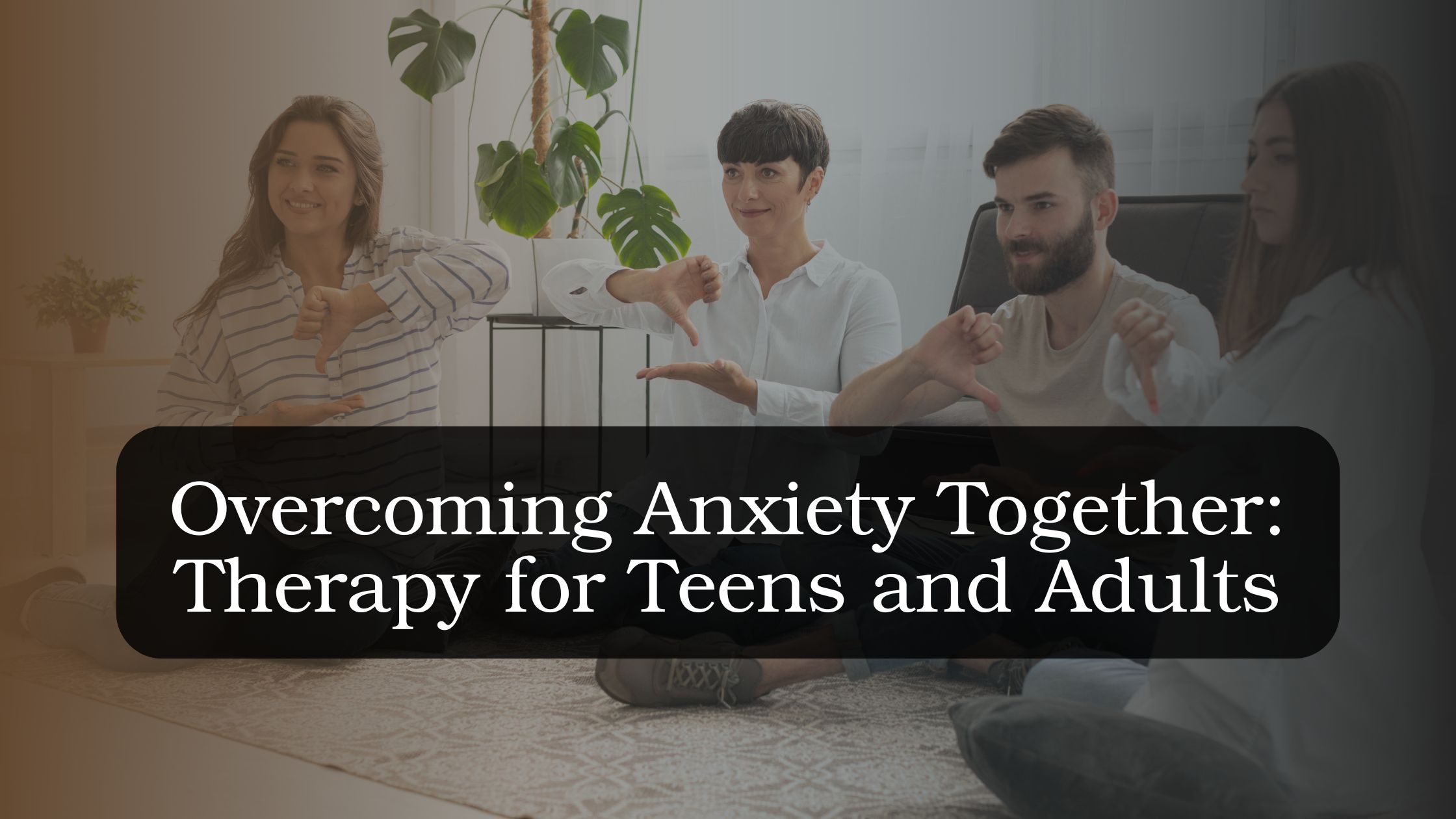
Overcoming Anxiety Together: Therapy for Teens and Adults
Anxiety is one of the most common mental health challenges affecting both teens and adults today. In a fast-paced, high-performance city like Los Angeles, anxiety often hides beneath achievement, busyness, and constant digital connection. Teens feel pressure to succeed academically and socially. Adults juggle demanding careers, financial stress, parenting responsibilities, and relationship expectations.
When anxiety affects one family member, it rarely stays isolated. It influences communication, mood, daily routines, and overall household stability. That is why anxiety therapy often views anxiety as a shared relational experience rather than an individual flaw, which can be transformative.
Dr. Harel, a licensed clinical psychologist in Los Angeles with over 16 years of experience, works with teens, adults, and families to understand anxiety not as weakness, but as a signal from the nervous system. Therapy provides tools to regulate that system and strengthen connection at the same time.
Understanding Anxiety Across Life Stages
Anxiety in Teens
Teen anxiety often looks different than adult anxiety. It may present as:
- Irritability
- Avoidance of school or social situations
- Perfectionism
- Panic attacks
- Excessive reassurance-seeking
- Physical complaints such as headaches or stomachaches
In Los Angeles, teens face intense academic competition, college admission pressure, social media comparison, and extracurricular overload. A teen in Beverly Hills might feel constant pressure to maintain top grades while managing sports, social expectations, and online visibility. Over time, this stress can overwhelm their developing nervous system.
Teens often lack the language to describe anxiety clearly. Instead of saying, “I am overwhelmed,” they may withdraw or argue.
Anxiety in Adults
Adult anxiety frequently centers around:
- Career instability
- Financial pressure
- Parenting concerns
- Health worries
- Relationship conflict
In neighborhoods like Santa Monica or Pasadena, adults may appear successful on the outside while privately struggling with insomnia, racing thoughts, irritability, or chronic tension.
High-achieving professionals in Los Angeles often normalize stress, telling themselves it is simply part of ambition. However, chronic unmanaged anxiety can affect marriages, parenting, and overall well-being.
How Anxiety Impacts Relationships

Anxiety spreads within households. When one partner is constantly tense, the other may feel on edge. When a teen is anxious, parents may become hypervigilant.
For example, if a father experiences work-related anxiety due to instability in the entertainment industry, he may come home irritable and distracted. His teen may interpret that tension as personal rejection. The cycle intensifies.
Anxiety can lead to:
- Increased conflict
- Emotional withdrawal
- Overprotective parenting
- Miscommunication
- Reduced intimacy
Addressing anxiety together fosters understanding rather than blame.
The Role of Therapy
Therapy offers structured support for both teens and adults to:
- Identify anxiety triggers
- Develop coping strategies
- Improve emotional regulation
- Strengthen communication
- Reduce avoidance behaviors
Dr. Harel uses evidence-based approaches tailored to developmental stage. For teens, therapy may focus on building emotional vocabulary and resilience. For adults, it may include stress management, cognitive restructuring, and relational insight.
Importantly, therapy also helps family members understand one another’s internal experiences.
Practical Tools for Managing Anxiety Together

1. Normalize Conversations About Anxiety
Families benefit from discussing anxiety openly rather than treating it as taboo.
Parents can say: “It’s okay to feel overwhelmed sometimes. Let’s talk about what’s happening.”
Open dialogue reduces shame.
2. Reduce Over-Scheduling
In Los Angeles, many teens and adults maintain packed schedules. Chronic busyness increases nervous system activation.
Evaluate:
- Academic load
- Extracurricular commitments
- Work hours
- Social obligations
Intentional reduction can significantly decrease anxiety symptoms.
3. Build Emotional Regulation Skills
Both teens and adults benefit from:
- Deep breathing exercises
- Mindfulness practices
- Physical movement
- Consistent sleep routines
- Limiting excessive social media exposure
For example, a family in Manhattan Beach implemented nightly device-free time to reduce overstimulation. Over time, both parents and teens reported improved sleep and decreased irritability.
4. Strengthen Secure Attachment
Anxiety often decreases when individuals feel emotionally secure. For teens, this means consistent parental presence without overcontrol. For adults, it means relational reassurance without dependency. Dr. Harel emphasizes that emotional safety within the family system is one of the most powerful protective factors against chronic anxiety.
When Anxiety Requires Professional Support
Anxiety becomes clinically significant when it:
- Interferes with school or work
- Causes panic attacks
- Leads to social withdrawal
- Disrupts sleep consistently
- Triggers frequent physical symptoms
- Contributes to depression
In such cases, early intervention is critical.
Dr. Harel, with over 16 years of clinical experience in Los Angeles, works with individuals and families to create personalized treatment plans that address both symptoms and relational dynamics.
Therapy for Teens and Adults Together
Family-Informed Treatment
Sometimes teens benefit from individual therapy combined with parental sessions. Similarly, adults managing anxiety may need couples support if relational tension contributes to symptoms.
In Los Angeles households balancing demanding careers and academic expectations, therapy can:
- Improve communication between parents and teens
- Reduce blame cycles
- Teach coping skills collaboratively
- Rebuild emotional trust
When anxiety is addressed systemically, healing becomes more sustainable.
Breaking the Stigma Around Anxiety
In high-achievement communities, mental health struggles are sometimes hidden. Families may fear appearing weak or incapable.
However, seeking support reflects strength and self-awareness.
Anxiety is not a character flaw. It is a nervous system response that can be regulated with proper tools and guidance.
Final Thoughts
Overcoming anxiety is rarely a solo journey. Whether affecting a teen navigating academic pressure or an adult managing career and family stress, anxiety influences the entire relational system.
In Los Angeles, where expectations are high and pace is relentless, intentional emotional support is essential. Therapy offers not only symptom relief but deeper relational understanding.
Dr. Harel, a licensed clinical psychologist in Los Angeles with over 16 years of experience, helps teens, adults, and families move from chronic stress to emotional balance. Through structured support and practical skill-building, families can learn to manage anxiety together rather than allowing it to divide them.
With awareness, open communication, and professional guidance when needed, anxiety can shift from a source of isolation to an opportunity for connection and growth.

Harel Papikian
Dr. Harel Papikian is a clinical psychologist and couples therapist with more than 15 years of experience. He offers marriage counseling and couples therapy in los Angeles. It help’s couples navigate their relationship challenges and deepen their connection. Our clinic uses a unique ARM method (Awareness, Release, Mastery) to achieve rapid and profound results for our clients. We serve a diverse clientele, including LGBTQ+ and heterosexual couples, addressing issues like communication breakdowns, conflict resolution, intimacy, and trust. You can also get individual therapy sessions for concerns like depression, anxiety, and trauma.
Leave a Reply