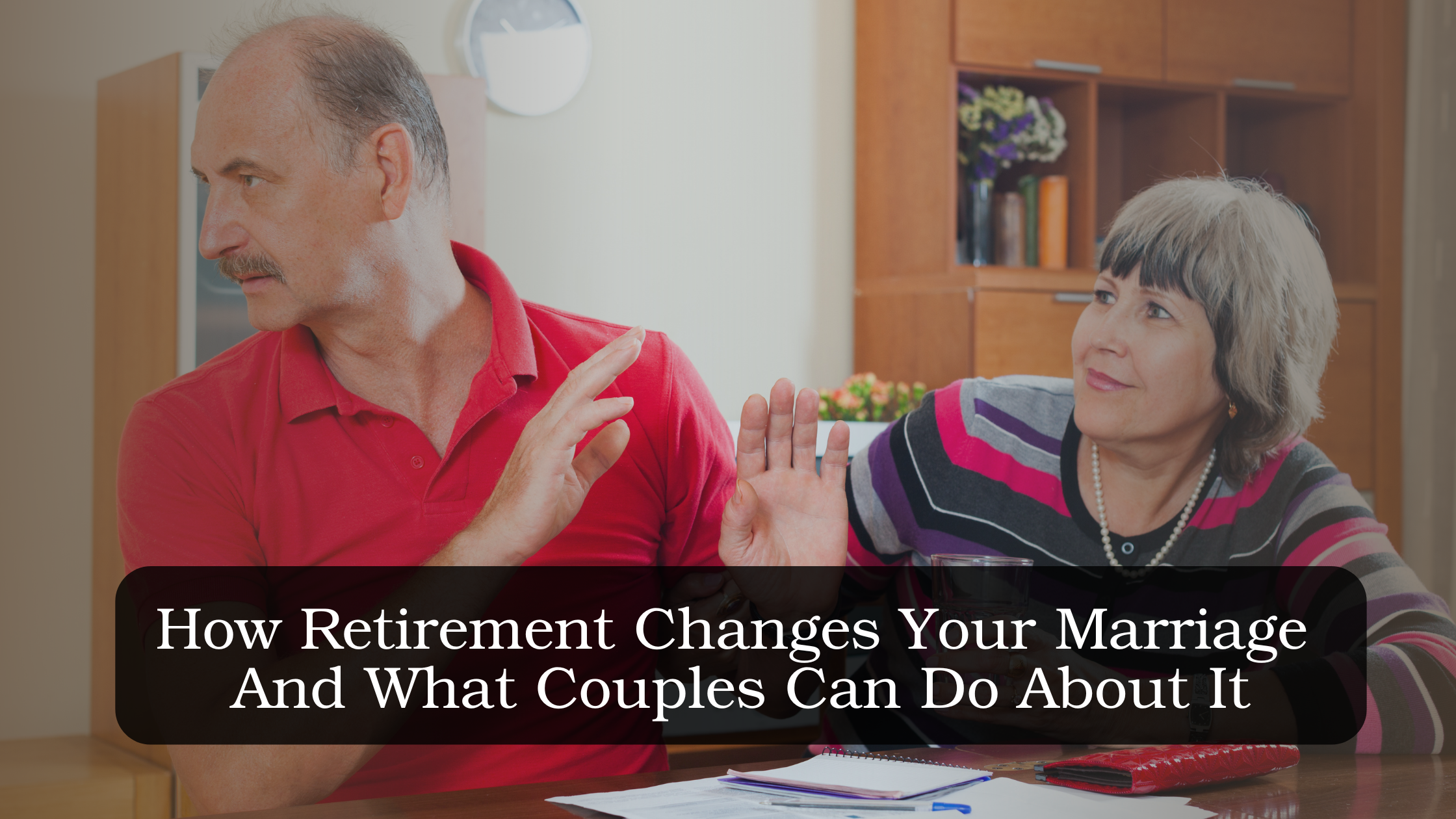
How Retirement Changes Your Marriage and What Couples Can Do About It
Retirement is often portrayed as the beginning of life’s most rewarding chapter, a time to travel, spend more time with family, pursue hobbies, and finally enjoy the freedom that comes after decades of work.
For many couples in Los Angeles, retirement also represents the achievement of long-term financial goals and the opportunity to enjoy a lifestyle they spent years building. Yet while retirement marks the end of a career, it also marks the beginning of a significant transition within a marriage.
The routines, identities, and expectations that quietly shaped the relationship for years begin to change, often in ways couples never anticipated.
Although this adjustment can create tension, it also presents an opportunity to strengthen emotional intimacy, improve communication, and redefine what a fulfilling partnership looks like during the next stage of life.
How Retirement Can Reveal Existing Problems in a Marriage
Many couples expect retirement to solve the stress that work placed on their relationship. Without long commutes, demanding schedules, deadlines, or business travel, life should become easier. While reducing stress certainly benefits many marriages, retirement also removes the structure that has quietly supported the relationship for decades.
Think about how most marriages function during working years. Each partner develops an individual identity through work, friendships, routines, and responsibilities. Evenings and weekends become opportunities to reconnect after spending time apart. There is a natural balance between independence and togetherness.
Once retirement begins, that balance changes almost overnight.
Couples suddenly spend significantly more time together, daily routines become less structured, and long-established roles begin to shift. Decisions that once happened automatically, how the day is spent, who manages the household, when to socialize, or how much personal time each partner needs, now require intentional conversations.
For some couples, these adjustments happen naturally. For others, they expose differences that have existed beneath the surface for years.
A disagreement about how to spend the afternoon may actually reflect different expectations about companionship. An argument over household chores may have less to do with cleaning and more to do with changing roles, fairness, or feeling appreciated.
From a psychological perspective, retirement rarely creates entirely new problems. Instead, magnifies existing patterns, much like other major life transitions tend to expose rather than create relationship strain.
How Does Marriage Change During Retirement?
| Before Retirement | After Retirement |
| Structured daily routines | Unstructured days requiring new routines |
| Individual professional identities | Need to redefine purpose and identity |
| Natural personal space during work hours | Increased time together at home |
| Clear household responsibilities | Roles often need to be renegotiated |
| Limited time together | Greater opportunity for connection—but also conflict if expectations differ |
How Losing a Professional Identity Can Affect a Marriage After Retirement
Retirement is not simply the end of employment. For many people, it is the loss of a role that has shaped their identity for decades.
This can be especially true in Los Angeles, where careers often become deeply connected to personal identity. Whether someone spent years as an attorney in Century City, a physician at Cedars-Sinai, an executive in Santa Monica, a business owner in Beverly Hills, or a professional in the entertainment industry, work often provides far more than income. It offers purpose, achievement, social interaction, routine, and a sense of competence.
When those daily responsibilities disappear, many retirees experience emotions they never expected.
Some feel restless despite finally having free time. Others struggle with boredom, irritability, anxiety, or an unexpected sense of loss. Questions like Who am I now?, Do I still matter?, or What gives my life meaning? become surprisingly common.
These internal struggles often affect the marriage, even when neither partner recognizes the connection.
A spouse who suddenly becomes critical may actually be struggling with a loss of confidence. Someone who withdraws emotionally may be grieving the end of a meaningful career. Another partner may become increasingly dependent on the relationship because work previously met many of their emotional and social needs.
Without understanding these emotional shifts, couples often assume they are arguing about small everyday issues when, in reality, they are trying to adapt to profound changes in identity.
In his work with couples across Los Angeles, Dr. Harel often sees retirement bringing long-standing concerns about identity to the surface. Many couples initially believe they are struggling with retirement itself, only to discover that they are adjusting to changes in purpose, confidence, and roles that naturally affect the relationship.

Why Spending More Time Together Isn’t Always Easy
One of the biggest myths about retirement is that more time together automatically strengthens a relationship.
While many couples genuinely enjoy having fewer outside obligations, constant togetherness can also highlight differences that were less noticeable during working years.
One partner may look forward to sharing every meal, planning trips, and spending most days together. The other may see retirement as an opportunity to explore personal interests, volunteer, golf, paint, join a hiking group, or simply enjoy quiet mornings alone.
Neither expectation is wrong.
The challenge arises when couples assume they share the same vision without discussing it.
Many partners begin interpreting these differences personally. A desire for independence may be mistaken for emotional distance. Wanting more shared time may be perceived as controlling or overly dependent. Over time, these misunderstandings can create resentment if they are never openly discussed.
Healthy marriages recognize that emotional closeness and personal independence are not competing needs—they support one another. Couples who continue nurturing individual friendships, hobbies, volunteer work, and personal goals often discover that they have more energy, curiosity, and appreciation to bring back into the relationship.
Signs Your Marriage May Be Struggling to Adjust to Retirement
While every couple adapts differently, some common signs indicate that retirement has become emotionally challenging:
- Conversations frequently turn into arguments over minor issues.
- One partner feels lonely despite spending more time together.
- Household responsibilities become a recurring source of conflict.
- Either spouse feels they have lost their sense of purpose.
- Emotional or physical intimacy begins to decline.
- One partner becomes increasingly controlling, while the other withdraws a version of the pursuer-distancer cycle playing out under new circumstances.
- Both partners feel misunderstood but struggle to explain why.
Recognizing these patterns early is important because they are often less about retirement itself and more about the emotional adjustments that accompany this stage of life.
How Retirement Can Change Finances and Power Dynamics in a Marriage
Even when retirement has been carefully planned, financial conversations often become more emotionally charged after leaving the workforce. In Los Angeles, where the cost of living remains high and many couples hope to maintain an active lifestyle, retirement can bring new questions about spending, saving, supporting adult children, or planning for future healthcare needs.
While money is an important practical consideration, couples are often surprised to discover that their disagreements are not truly about finances. Instead, money can become a way of expressing deeper emotions one of many ways financial stress affects a relationship beyond the numbers themselves.
For example, a spouse who becomes cautious about spending may not simply be worried about the bank account. They may be confronting the reality that they are no longer earning an income, creating anxiety about the future even if they are financially comfortable. Likewise, a partner who wants to travel or enjoy retirement may fear that delaying meaningful experiences means losing valuable time together.
Rather than focusing solely on budgets or retirement planning, Dr. Harel helps couples explore the emotions beneath financial disagreements. Understanding whether fear, uncertainty, changing roles, or different expectations about retirement are driving the conversation often helps partners approach these discussions with greater empathy and collaboration.
How Couples Can Rebuild Emotional and Physical Intimacy After Retirement
One of the greatest opportunities retirement offers is the chance to deepen emotional intimacy. Without the constant demands of work, couples have more time to reconnect, not only through shared activities but through meaningful conversations that may have been postponed for years.
Yet increased time together does not automatically create closeness.
Many couples also find that retirement provides an opportunity to strengthen emotional connection in ways that were difficult during their working years. Through couples therapy, Dr. Harel helps partners improve communication, navigate changing expectations, and build a relationship that reflects this new stage of life rather than relying on routines that no longer fit.
Retirement creates an opportunity to reverse that pattern.
Instead of focusing solely on how to fill the calendar, couples benefit from asking questions they may not have asked in years. What are your hopes for this stage of life? What experiences still matter to you? What fears do you carry about growing older? These conversations foster emotional intimacy because they allow each partner to feel known rather than simply accommodated.
Physical intimacy may also change during retirement. Aging, health conditions, medications, and changing energy levels can all influence a couple’s sexual relationship. Rather than viewing these changes as signs that intimacy is fading, couples who communicate openly are often able to redefine intimacy in ways that feel emotionally satisfying and physically comfortable. Affection, touch, companionship, humor, and emotional vulnerability all remain important expressions of connection throughout later life.
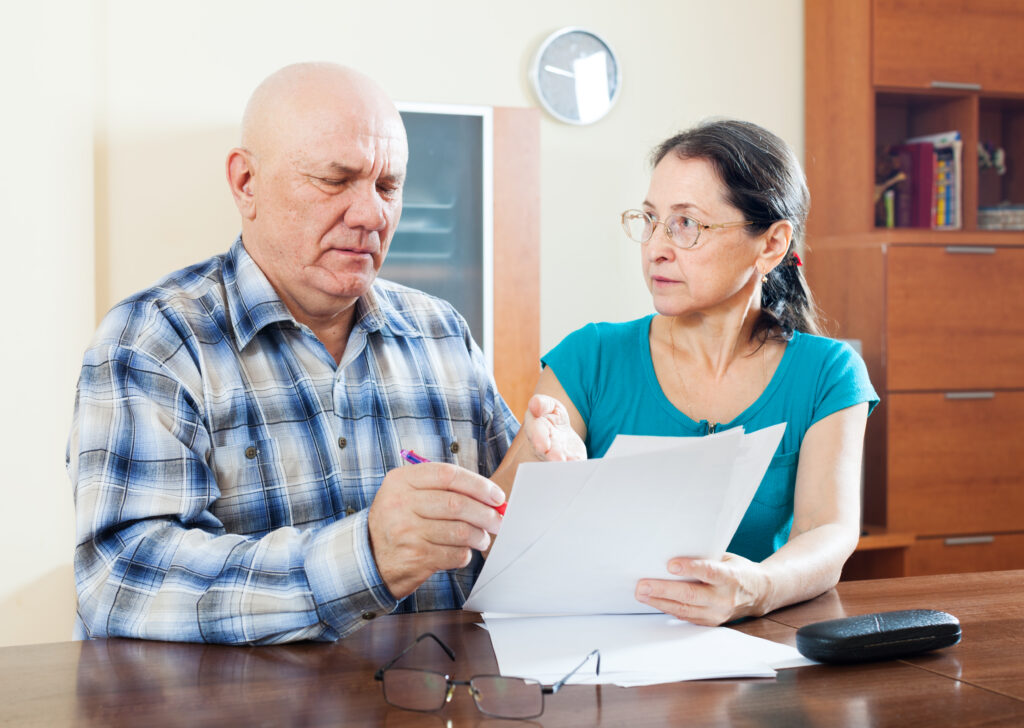
What Couples Can Do to Navigate Retirement Together
Every marriage adjusts differently, but certain habits consistently help couples move through this transition with greater understanding and resilience.
Successful couples often:
- Talk openly about their expectations before frustration builds.
- Respect one another’s need for both shared experiences and personal independence.
- Create new routines instead of trying to recreate life before retirement.
- Encourage individual hobbies, friendships, and volunteer opportunities.
- View disagreements as opportunities to better understand one another rather than as signs that something is wrong with the marriage.
- Continue investing in the relationship through regular conversations, shared activities, and intentional time together.
Retirement is not about spending every moment side by side. It is about creating a new rhythm that supports both the relationship and each person’s continued growth.
When Additional Support Can Help
Adjusting to retirement is one of the most significant transitions a couple can experience, and there is no universal roadmap for navigating it. If conversations repeatedly end in conflict, one or both partners feel increasingly lonely, or old relationship patterns become more pronounced, seeking support can help couples move beyond blame and better understand what is happening beneath the surface.
Working with a clinical psychologist provides a space to explore changing identities, communication patterns, emotional needs, and long-standing relationship dynamics in a way that encourages empathy rather than criticism. Many couples discover that retirement is not the source of their difficulties but the life stage that finally brings unresolved issues into view.
At the same time, therapy is not only for couples in crisis. Many partners seek guidance because they want this next chapter of life to feel intentional rather than reactive. Learning new ways to communicate, navigate differences, and reconnect emotionally can transform retirement into a period of renewed closeness instead of growing distance.
How Dr. Harel Can Help Couples Navigate Retirement
Dr. Harel Papikian is a licensed clinical psychologist in Los Angeles with more than 16 years of experience working with individuals and couples. When retirement changes the balance within a marriage, he helps couples understand what may be driving their disagreements.
For some couples, the challenge is spending too much time together. For others, it may involve loss of professional identity, different retirement expectations, financial disagreements, changing responsibilities, or a need for independence. Dr. Harel helps partners identify these patterns and understand how retirement is affecting their relationship.
His work can help couples:
- Renegotiate routines and responsibilities so neither partner feels controlled, overlooked, or burdened.
- Adjust to changes in identity and purpose after leaving work.
- Navigate different retirement expectations around travel, hobbies, family time, and socializing.
- Address recurring conflicts about money, responsibilities, or personal space.
- Maintain individuality while rebuilding connection.
- Reconnect emotionally and physically as intimacy changes with retirement and shifting routines.
- Improve communication so concerns can be discussed without criticism, defensiveness, or withdrawal.
The goal is not to make both partners want the same retirement, but to help different visions coexist within the same marriage. Through couples therapy, Dr. Harel provides a structured space to understand each other’s perspectives and develop a healthier way of relating in this new stage of life.
Frequently Asked Questions
Yes. Retirement often changes daily routines, roles, and expectations within a relationship. Spending significantly more time together and adjusting to a new lifestyle can bring both opportunities and challenges. While many couples grow closer, others need time to adapt to this new phase of life.
Many disagreements after retirement are not really about household chores, finances, or schedules. Instead, they often reflect deeper concerns about identity, independence, changing roles, or differing expectations about how retirement should be spent.
It can. If one partner struggles with the transition while the other adjusts more easily, they may begin feeling misunderstood or disconnected. Open communication and acknowledging each other’s experiences can help rebuild emotional closeness.
Maintaining separate hobbies, friendships, volunteer work, or personal interests allows each partner to continue growing as an individual. Healthy marriages recognize that emotional closeness and personal independence are not competing needs the same balance explored in the difference between healthy independence and emotional distance.
This is a common difference in retirement expectations. Rather than assuming one approach is right or wrong, couples benefit from discussing their goals and finding a balance that respects both partners’ preferences.
Retirement can create more opportunities for emotional and physical intimacy because couples have more time together. At the same time, aging, health changes, and shifting routines may require couples to communicate more openly about their emotional and physical needs.
Yes. Discussing expectations before retirement—including finances, daily routines, travel plans, personal goals, and household responsibilities—can help reduce misunderstandings and make the transition smoother.
If retirement has led to frequent conflict, emotional distance, communication difficulties, or uncertainty about changing roles, working with a couples therapist can help identify the underlying issues and develop healthier ways of navigating this transition.
Couples therapy provides a supportive environment to discuss changing identities, expectations, communication patterns, and relationship dynamics. Dr. Harel helps couples understand the emotional adjustments that often accompany retirement while developing practical strategies to strengthen their relationship during this new chapter.
Absolutely. While retirement is a major life transition, it can also be a chance to reconnect, rediscover shared interests, improve communication, and build a relationship that reflects your current stage of life. With openness, flexibility, and, when needed, guidance from an experienced psychologist like Dr. Harel, many couples find retirement becomes one of the most rewarding chapters of their marriage.

Harel Papikian
Dr. Harel Papikian is a clinical psychologist and couples therapist with more than 15 years of experience. He offers marriage counseling and couples therapy in los Angeles. It help’s couples navigate their relationship challenges and deepen their connection. Our clinic uses a unique ARM method (Awareness, Release, Mastery) to achieve rapid and profound results for our clients. We serve a diverse clientele, including LGBTQ+ and heterosexual couples, addressing issues like communication breakdowns, conflict resolution, intimacy, and trust. You can also get individual therapy sessions for concerns like depression, anxiety, and trauma.
Leave a Reply