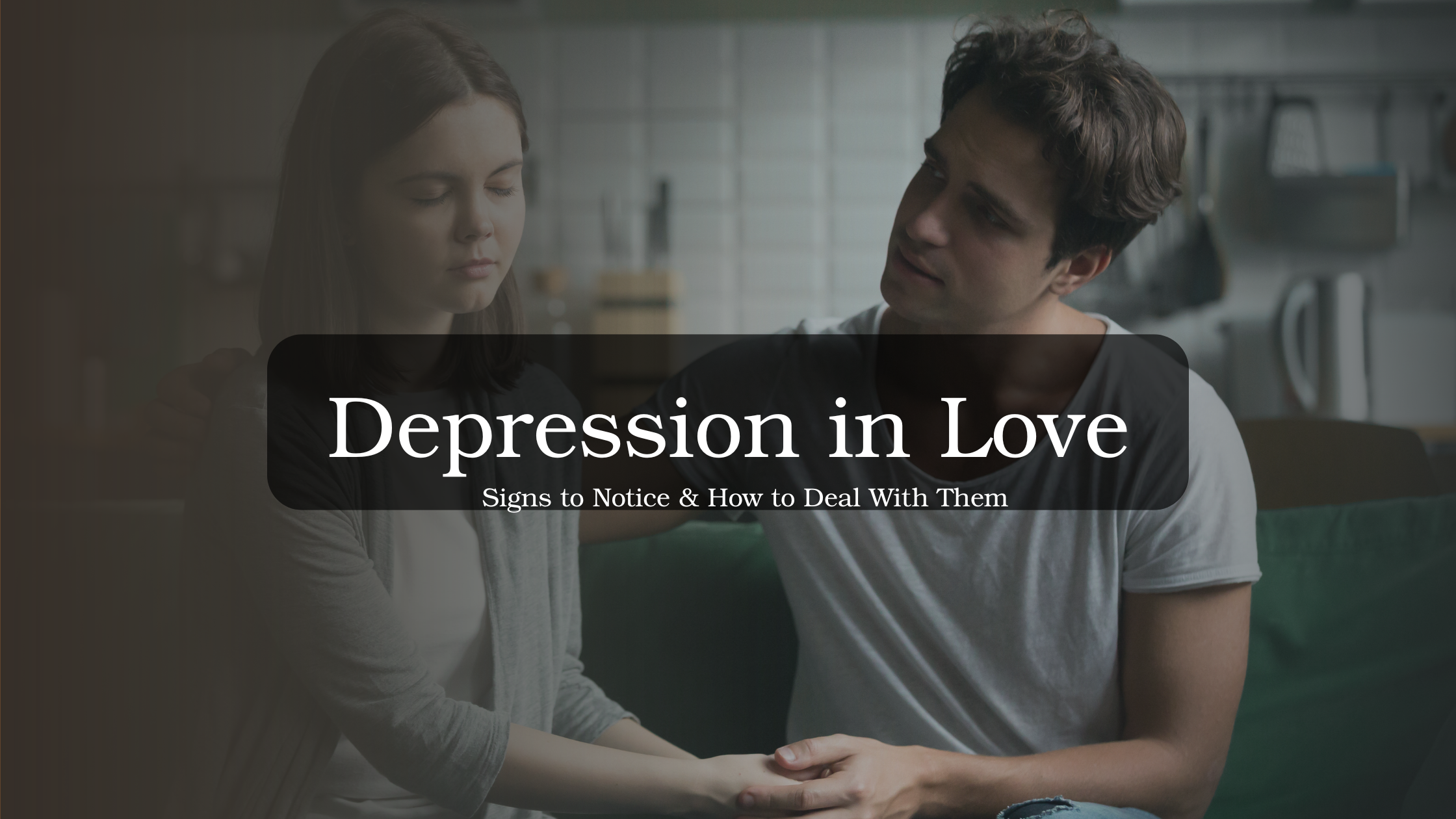
Depression in Love: 7 Signs to Notice & How to Deal With Them
Love is often portrayed as a source of happiness, connection, and emotional security. Yet many people experience depression while being in a relationship, which can feel confusing, isolating, and even shameful. Depression in love does not always look dramatic or obvious. It can quietly change how a person feels, communicates, and connects with their partner.
Some individuals feel depressed because of relationship stress, unresolved conflict, or emotional disconnection. Others bring depression into the relationship from earlier life experiences, trauma, or mental health conditions that exist independently of the relationship itself. In both cases, depression can affect intimacy, trust, and day-to-day interactions.
Recognizing the signs early allows individuals and couples to respond with awareness rather than blame. This article explores seven common signs of depression in love and offers practical guidance on how to deal with them in healthy, constructive ways.
Understanding Depression Within Romantic Relationships
Depression is more than sadness. It affects mood, motivation, thinking patterns, energy levels, and emotional availability. In relationships, depression can blur the line between personal emotional struggles and relationship dissatisfaction.
Many couples struggle because they try to fix depression solely by changing the relationship, while others ignore relational stress believing depression is only an individual issue. In reality, depression and relationships often influence each other in complex ways.
7 Signs to Notice for Depression in Love

Sign 1: Emotional Withdrawal From Your Partner
One of the earliest signs of depression in love is emotional withdrawal. A person may feel numb, disconnected, or uninterested in sharing thoughts and feelings.
This withdrawal is not always intentional. Depression reduces emotional capacity, making connection feel exhausting rather than comforting.
How it may show up:
• Less conversation
• Avoiding deep discussions
• Feeling distant even when physically together
How to deal with it:
Focus on gentle communication rather than pressure. Naming the withdrawal without accusation can help reopen emotional space. Professional support can help identify whether the withdrawal stems from depression, relationship strain, or both.
Sign 2: Loss of Interest in Intimacy and Affection
Depression often affects desire and physical closeness. This can include reduced interest in sex, cuddling, or affectionate touch.
Partners may misinterpret this change as rejection or loss of attraction, which can deepen emotional distance.
How it may show up:
• Avoidance of physical closeness
• Feeling disconnected during intimacy
• Guilt or frustration around sexual expectations
How to deal with it:
Separate intimacy from performance. Emotional safety, patience, and honest conversations about mental health can reduce pressure. Addressing depression directly often restores intimacy over time.
Sign 3: Constant Guilt About Being a “Bad Partner”
Depression often brings harsh self-judgment. A person may believe they are failing their partner or not showing up “enough” in the relationship.
This guilt can lead to withdrawal, over-apologizing, or emotional shutdown.
How it may show up:
• Excessive apologizing
• Feeling undeserving of love
• Fear of being a burden
How to deal with it:
Challenge guilt-driven narratives. Depression distorts self-perception. Therapy can help rebuild a realistic and kinder view of oneself within the relationship.
Sign 4: Increased Irritability and Conflict
While depression is commonly associated with sadness, it often appears as irritability, frustration, or emotional reactivity.
Small disagreements may escalate quickly, or patience may feel nonexistent.
How it may show up:
• Frequent arguments
• Short temper
• Feeling easily overwhelmed by minor issues
How to deal with it:
Slow down conflict patterns. Recognize irritability as a symptom rather than a character flaw. Learning emotional regulation and communication skills helps reduce escalation.
Sign 5: Feeling Lonely Despite Being in a Relationship
One of the most painful signs of depression in love is feeling deeply lonely while being partnered.
This loneliness is not always caused by the partner’s behavior. Depression can create an internal sense of isolation that persists even in supportive relationships.
How it may show up:
• Feeling unseen or misunderstood
• Emotional emptiness
• Difficulty receiving support
How to deal with it:
Address the emotional experience rather than blaming the relationship. Depression-focused therapy can help reconnect individuals to themselves and others.
Sign 6: Overthinking the Relationship Constantly
Depression often fuels rumination. Individuals may repeatedly question whether the relationship is right, whether their partner truly cares, or whether they should leave.
These thoughts can feel urgent and convincing, even when no clear relational issue exists.
How it may show up:
• Replaying conversations repeatedly
• Doubting the relationship without clear reasons
• Feeling mentally stuck
How to deal with it:
Learn to distinguish emotional reasoning from reality. Therapy can help interrupt rumination cycles and bring clarity to relationship decisions.
Sign 7: Loss of Hope About the Future Together
Depression narrows perspective. Future plans may feel meaningless or overwhelming, even if the relationship was once fulfilling.
How it may show up:
• Lack of excitement about shared goals
• Avoiding future planning
• Feeling stuck or pessimistic
How to deal with it:
Focus on short-term emotional stability rather than long-term certainty. As depression lifts, hope often returns naturally.
How Depression in Love Is Often Misunderstood
| Common Belief | What Is Often Happening |
| “I fell out of love” | Emotional numbness from depression |
| “My partner deserves better” | Depression-driven guilt |
| “We argue too much” | Emotional dysregulation |
| “I feel trapped” | Hopelessness and overwhelm |
When to Seek Professional Support?
If depression is affecting emotional connection, communication, or daily functioning, professional support can be helpful. Therapy can clarify whether distress is rooted in depression, relationship dynamics, or both.
Dr. Harel Papikian works with individuals and couples in Los Angeles through virtual sessions, helping clients understand emotional patterns, navigate relationship challenges, and develop tools for healing and reconnection.
Final Thoughts
Depression in love is more common than many people realize. It does not mean the relationship is broken, and it does not mean love is gone. Depression changes how emotions are felt and expressed, often creating distance where closeness still exists beneath the surface.
By recognizing the signs early, approaching the experience with understanding, and seeking appropriate support, individuals and couples can move toward healing rather than separation.
Love and depression can coexist, but they do not have to define the future of a relationship.

Harel Papikian
Dr. Harel Papikian is a clinical psychologist and couples therapist with more than 15 years of experience. He offers marriage counseling and couples therapy in los Angeles. It help’s couples navigate their relationship challenges and deepen their connection. Our clinic uses a unique ARM method (Awareness, Release, Mastery) to achieve rapid and profound results for our clients. We serve a diverse clientele, including LGBTQ+ and heterosexual couples, addressing issues like communication breakdowns, conflict resolution, intimacy, and trust. You can also get individual therapy sessions for concerns like depression, anxiety, and trauma.
Leave a Reply