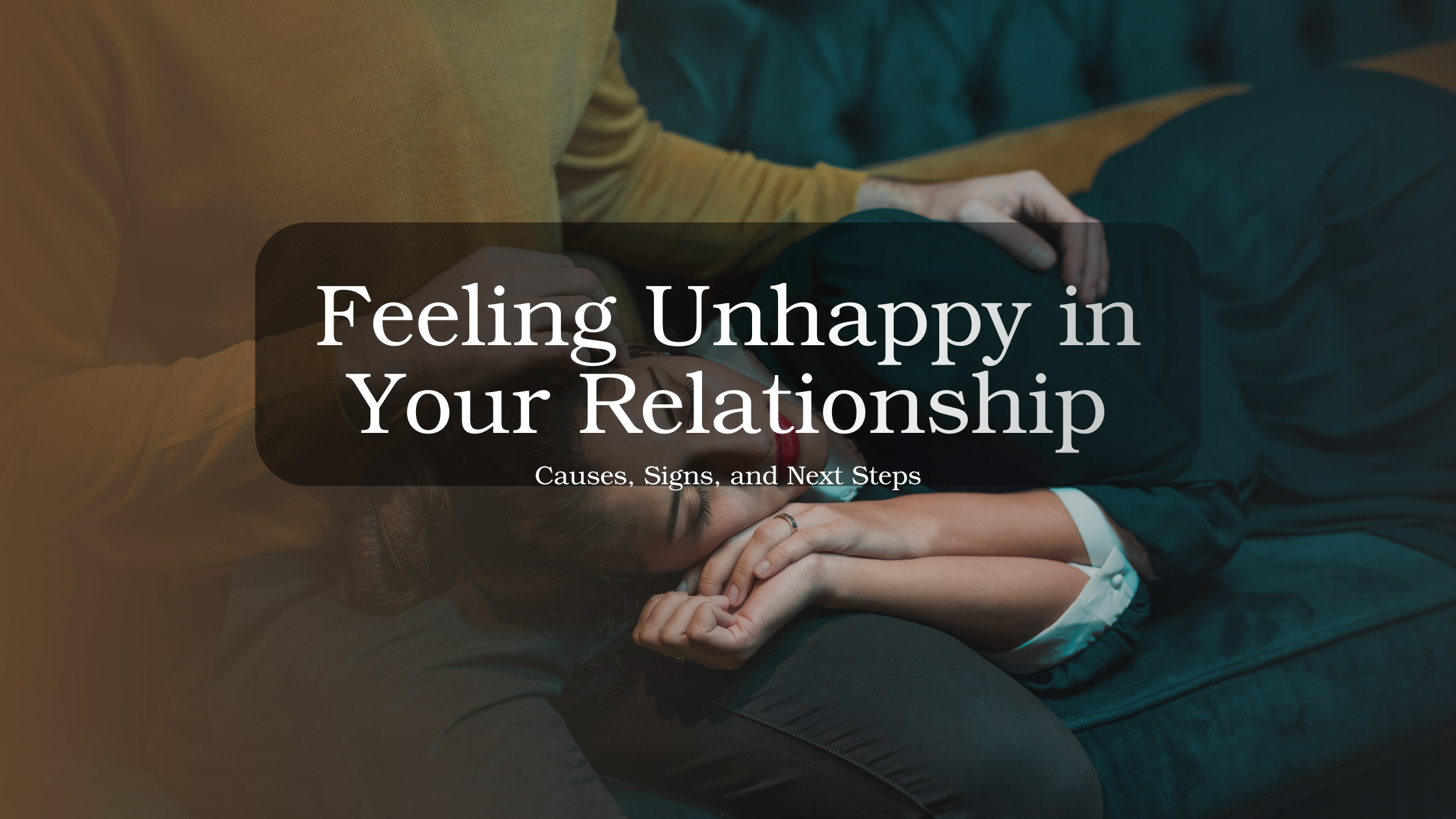
Feeling Unhappy in Your Relationship: Causes, Signs, and Next Steps
Feeling unhappy in a relationship is rarely sudden. It usually grows slowly, sometimes so quietly that you only notice it once the emotional distance becomes impossible to ignore. Many people try to push through the discomfort, hoping things will return to how they used to be. Others blame themselves, assume it is normal, or fear addressing the issue because they do not want to disrupt the relationship.
In reality, Feeling unhappy in a relationship is much more common than most couples admit. Stress, personal changes, communication breakdowns, or unresolved conflicts can all alter the emotional climate between partners. What matters most is not the presence of unhappiness but how you respond to it. When you understand the underlying causes and recognise the signs early, you can take meaningful steps to rebuild connection, repair emotional wounds, and create a healthier dynamic.
As a licensed clinical psychologist with expertise in couples therapy, Dr Harel helps individuals and partners identify what is not working, explore unmet needs, and rebuild trust, emotional safety, and healthy patterns of communication. This article breaks down the most common causes of dissatisfaction, how to identify the early warning signs, and the steps you can take to heal and move toward a more fulfilling relationship.
Common Causes of Feeling Unhappy in a Relationship

1. Emotional Disconnect
Over time, emotional closeness can fade if partners are not intentional about staying connected. This usually begins with small shifts. Conversations become more functional than meaningful. Affection reduces. Quality time is replaced with routine.
For example, one partner may feel unseen because the other is constantly distracted by work or devices. The emotional gap then grows, leading to loneliness inside the relationship.
2. Unresolved Conflict
When issues are repeatedly pushed aside, resentment grows. Even minor disagreements can accumulate until they form a deeper emotional divide. Over time, partners may stop addressing problems altogether because they fear further conflict. This avoidance leads to a cycle of frustration, silence, and emotional withdrawal.
3. Lack of Communication
Healthy communication requires active listening, emotional openness, and clarity. When either partner struggles to express needs or feelings, misunderstandings increase. One person may feel invalidated, while the other feels overwhelmed. Communication breakdowns can leave both feeling unheard, unsupported, or constantly misunderstood.
4. Shifts in Personal Identity
People grow with time, and their needs evolve. Sometimes partners grow in different directions. One may pursue new interests or values while the other feels left behind. This can result in misalignment, dissatisfaction, or a sense of drifting apart.
5. External Stressors
Financial stress, parenting challenges, work pressure, health issues, and family tensions place strain on even strong relationships. When external stressors pile up, emotional intimacy often decreases because partners have less energy to nurture the relationship.
6. Imbalanced Effort
A relationship feels unfulfilling when one partner contributes significantly more emotional, mental, or physical effort than the other. This creates a power imbalance in responsibilities, decision-making, emotional labour, or affection.
7. Loss of Trust
Trust is foundational. When trust is weakened by broken promises, dishonesty, or emotional distance, partners often feel insecure, guarded, or disconnected. The relationship becomes more about protection than connection.
Signs You Are Unhappy in Your Relationship
1. You Feel Lonely Even When Your Partner Is Near You
Loneliness within a relationship is one of the strongest indicators of emotional disconnection. You may share a home, responsibilities, and routines but feel emotionally separate.
2. Conversations Feel Draining Instead of Nourishing
Healthy communication feels collaborative. When communication becomes tense, dismissive, or shallow, it usually means deeper issues are present.
3. You Avoid Time Together
You may find yourself spending more time at work, focusing on hobbies alone, or engaging more with friends than with your partner. Avoidance often signals emotional discomfort.
4. You Feel Unseen or Unimportant
This happens when your needs, feelings, or contributions go unnoticed. Over time, feeling unvalued affects self-esteem and the overall relationship dynamic.
5. Increased Irritation and Sensitivity
Small behaviours that previously felt neutral may now trigger frustration. Irritability often masks deeper unmet needs.
6. Physical or Emotional Intimacy Decreases
Touch, affection, deeper conversations, and emotional support are often the first areas to decline when partners feel unhappy. This absence can further reinforce emotional distance.
7. You Fantasise About Life Without the Relationship
It is normal to imagine temporary space during conflict. However, regularly imagining a life apart may mean your needs are not being fulfilled.
8. You Feel Constantly Tired or Drained
Relationship stress shows up in the body. Emotional exhaustion, sleep disturbances, anxiety, and a lack of motivation can all signal deeper unhappiness.
How Relationship Unhappiness Affects Mental and Emotional Health
Relationship dissatisfaction does not stay contained within the couple dynamic. It influences overall wellbeing. Some common effects include:
- increased anxiety due to constant tension
- lowered self-esteem from feeling unheard or undervalued
- chronic stress from unresolved conflict
- emotional fatigue from trying to keep peace
- reduced sense of security
- difficulty concentrating at work or home
These emotional effects can influence physical health as well, including headaches, digestive issues, sleep disturbances, and weakened immunity. Recognising these impacts is important because they highlight why addressing unhappiness early matters both for the relationship and the individual.
Steps to Reconnect, Heal, and Improve the Relationship
Reflect on What You Truly Feel
Begin by naming your emotions clearly. Are you sad, lonely, resentful, tired, or confused. Understanding your emotional landscape helps clarify what needs attention.
It is also helpful to consider whether the dissatisfaction is situational or recurring. Temporary stress can mimic long-term unhappiness, so distinguishing between the two is important.
Communicate Honestly
Open communication is the turning point for healing. Express how you feel without blame. Use phrases like:
- I feel disconnected and want us to find a way back to each other
- I miss the emotional closeness we used to share
- I want to understand your needs so we can support each other better
Calm and honest conversations set the stage for improvement.
Identify Underlying Needs
Feeling Unhappy in a Relationship often stems from unmet needs. These may include the need for affection, appreciation, boundaries, support, independence, or emotional validation.
Discussing these openly helps both partners understand what adjustments are needed.
Rebuild Emotional Intimacy
This requires consistent and small efforts, such as:
- sharing daily highs and lows
- scheduling distraction-free quality time
- prioritising physical affection
- being curious about each other’s inner world
Emotional intimacy grows with presence, patience, and vulnerability.
Address Conflicts Instead of Avoiding Them
Avoidance gives conflict more power. Address disagreements with a problem-solving mindset. Focus on resolving issues rather than winning arguments.
Healthy conflict often strengthens connection because it builds understanding and trust.
Create New Shared Experiences
Sometimes couples get stuck in old patterns. Introducing new activities, travel, hobbies, or rituals helps create positive shared moments that rebuild closeness.
Set Healthy Boundaries
Boundaries protect emotional wellbeing. They can include:
- time boundaries
- communication boundaries
- personal space
- expectations around responsibilities
Clear boundaries prevent burnout, resentment, and emotional overload.
Seek Professional Support
A trained therapist can help uncover patterns that are hard to identify from within the relationship. With his experience in couples therapy, Dr Harel guides partners in understanding triggers, improving communication, and rebuilding trust.
Therapy is not a sign of weakness but a commitment to healing and understanding each other more deeply.
When Unhappiness Signals Deeper Structural Problems
Not all relationship dissatisfaction can be resolved quickly. Some underlying issues require deeper exploration, such as:
- long-term emotional neglect
- repeated betrayal
- unresolved trauma
- chronic disrespect
- incompatible values or life goals
- frequent cycles of conflict followed by temporary peace
Understanding the severity of the issue helps determine whether the relationship can be repaired or whether the individuals need to consider alternative paths.
A professional can help assess the health of the relationship and guide you toward clarity.
How Dr Harel Supports Individuals and Couples Struggling With Unhappiness
With a compassionate and structured therapy approach, Dr Harel helps individuals and couples:
- identify root causes of emotional dissatisfaction
- break negative cycles
- rebuild trust and emotional closeness
- improve communication habits
- navigate resentment and hurt
- heal after conflicts, betrayal, or disconnection
- strengthen the foundation of the relationship
His approach focuses on both individual healing and relational balance, ensuring both partners feel heard, respected, and supported.
Final Thoughts
Feeling unhappy in a relationship does not mean the relationship is failing. It simply indicates that something needs attention. Emotional disconnection, unresolved conflict, communication difficulties, or external stressors can all create distance between partners. What matters most is your willingness to understand the underlying causes and take steps toward healing.
With the right support, commitment, and clarity, relationships can become stronger, healthier, and more fulfilling. Whether you are unsure about the future or determined to repair the connection, you do not have to navigate this alone. Seeking guidance from an experienced therapist like Dr Harel can provide the tools, perspective, and emotional support needed to move forward with confidence.
FAQs (Frequently Asked Questions)
Yes. Unhappiness doesn’t always come from obvious conflict. It can come from unmet emotional needs, lack of meaning, or feeling disconnected over time, even in otherwise stable relationships.
Temporary unhappiness often shifts with changes in stress or circumstances. Deeper issues tend to feel persistent, repeat across situations, and don’t improve even when external factors get better.
Yes. Ongoing dissatisfaction can lead to stress, anxiety, low mood, and emotional exhaustion, especially when concerns are unaddressed or minimized over time.
In some cases, yes. Small shifts in communication, expectations, and emotional awareness can improve the dynamic. However, deeper issues may require more intentional effort or support.
Focus on expressing your experience rather than blaming. Clear, calm communication about feelings and needs tends to be more productive than pointing out faults.
When the same feelings persist despite efforts to improve things, or when communication becomes difficult or unproductive, outside support can help provide clarity and direction.

Harel Papikian
Dr. Harel Papikian is a clinical psychologist and couples therapist with more than 15 years of experience. He offers marriage counseling and couples therapy in los Angeles. It help’s couples navigate their relationship challenges and deepen their connection. Our clinic uses a unique ARM method (Awareness, Release, Mastery) to achieve rapid and profound results for our clients. We serve a diverse clientele, including LGBTQ+ and heterosexual couples, addressing issues like communication breakdowns, conflict resolution, intimacy, and trust. You can also get individual therapy sessions for concerns like depression, anxiety, and trauma.
Leave a Reply