
Do Couples Therapists Take Sides? What Really Happens in Sessions
One of the most common fears couples have before starting therapy is this: What if the therapist takes my partner’s side? This concern is understandable. When a relationship already feels imbalanced or strained, the idea of a third person validating one partner over the other can feel threatening.
In reality, effective couples therapy does not operate on a “right vs wrong” framework. It focuses on understanding patterns, improving communication, and helping both partners feel heard.
In Los Angeles, where couples often juggle demanding careers, financial pressure, and complex social dynamics, therapy becomes a space to slow down and process what is happening beneath the surface. Dr. Harel, a licensed clinical psychologist in Los Angeles with over 16 years of experience, emphasizes that therapy is not about choosing sides. It is about helping both partners understand their roles in the relationship dynamic.
Do Couples Therapists Take Sides?

The Short Answer: No. A skilled couples therapist does not side with one partner against the other. Instead, they align with the relationship itself.
That means:
- Supporting both partners equally
- Validating each person’s emotional experience
- Challenging unhelpful behaviors on both sides
- Focusing on patterns rather than blame
For example, a couple in Santa Monica may argue about finances. One partner spends freely while the other saves aggressively. A therapist will not label one as “right” and the other as “wrong.” Instead, they will explore the emotional meaning behind both behaviors, such as security versus freedom.
The goal is balance, not judgment.
Why Does It Sometimes Feels Like the Therapist Is Taking Sides?
1. Perception vs Reality
Even when a therapist is neutral, one partner may feel targeted. This often happens when:
- The therapist challenges a specific behavior
- One partner is asked more questions
- A sensitive topic is explored in depth
- Accountability is introduced
For example, in Brentwood, a husband felt the therapist was “against him” because sessions frequently addressed his emotional withdrawal. In reality, the therapist was focusing on a key relational pattern, not criticizing him as a person.
2. Accountability Can Feel Like Bias
When a therapist points out harmful patterns such as defensiveness, criticism, or avoidance, it may feel like blame. However, addressing these patterns is essential for growth.
Dr. Harel often explains that therapy may feel uneven at times because different issues require attention at different moments. Over time, both partners are challenged.
What Therapists Actually Focus On?

1. Identifying Relationship Patterns
Rather than focusing on individual mistakes, therapists look at interaction cycles.
For example:
- One partner criticizes → the other withdraws
- Withdrawal increases frustration → criticism escalates
In Los Angeles, where stress levels are high, these cycles can become deeply ingrained. Therapy helps couples step out of these loops.
2. Improving Communication
Couples therapy teaches structured communication, including:
- Speaking without blame
- Listening without interrupting
- Expressing vulnerability
- Clarifying misunderstandings
A couple in Pasadena might learn to replace arguments like:
“You never listen to me”
with:
“I feel unheard when we talk about this, and I want us to understand each other better.”
This shift reduces defensiveness.
3. Creating Emotional Safety
Therapists actively manage the emotional tone of sessions.
They may:
- Interrupt escalating arguments
- Slow down conversations
- Reframe harsh statements
- Encourage empathy
In high-pressure environments like Los Angeles, many couples are used to fast, reactive communication. Therapy introduces a slower, more intentional pace.
4. Encouraging Accountability on Both Sides
A balanced therapist ensures both partners take responsibility for their contributions.
For example:
| Situation | Therapist Focus |
| One partner withdraws | Explore fear or overwhelm behind withdrawal |
| Other partner criticizes | Address impact of criticism and underlying frustration |
| Repeated arguments | Identify cycle both partners reinforce |
Accountability is shared, even if behaviors differ.
When Therapists May Seem to Lean One Way?
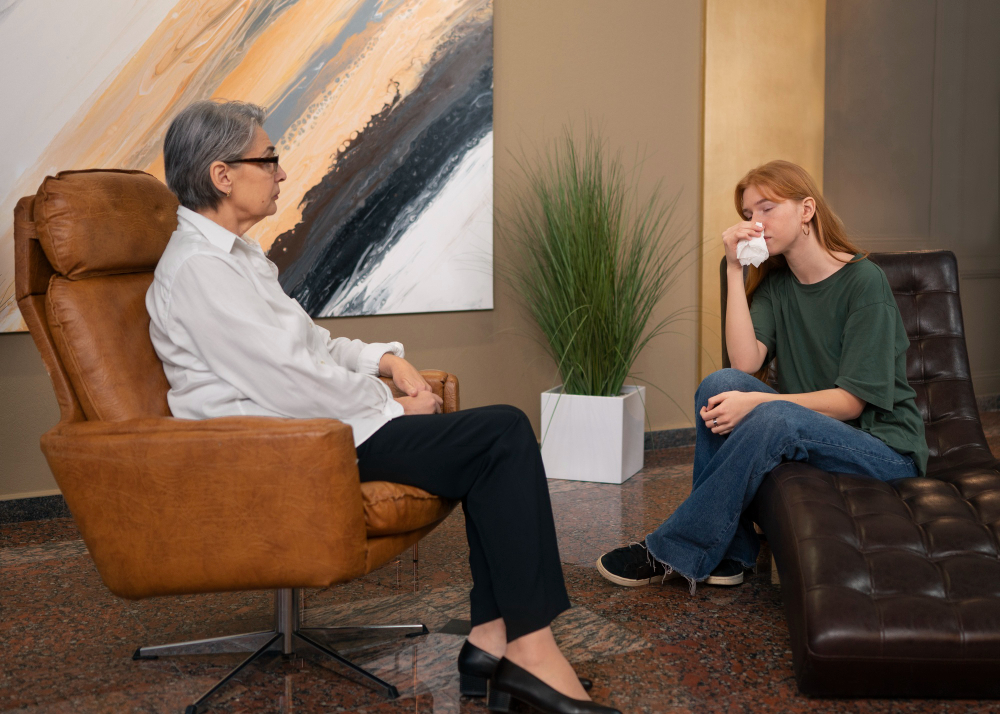
Addressing Harmful Behavior
There are situations where therapists may appear to support one partner more strongly. This typically occurs when:
- There is emotional or verbal abuse
- One partner consistently dismisses the other
- There is ongoing betrayal without accountability
- One partner refuses to engage in the process
In such cases, the therapist’s responsibility is to maintain safety.
For example, if one partner uses degrading language, the therapist will intervene directly. This may feel like taking sides, but it is actually enforcing healthy relational boundaries.
Dr. Harel emphasizes that neutrality does not mean tolerating harmful behavior. It means being fair while protecting emotional safety.
What a Good Therapist Does Not Do
A skilled couples therapist will not:
- Take sides in arguments
- Declare one partner “the problem”
- Allow one person to dominate sessions
- Ignore emotional safety
- Rush to conclusions without understanding both perspectives
If any of these occur consistently, it may indicate a poor fit rather than a problem with therapy itself.
How to Know If Your Therapist Is Balanced?

Healthy Signs
- Both partners feel heard
- The therapist challenges both individuals over time
- Sessions feel structured and purposeful
- Emotional safety is maintained
- Progress is visible
Red Flags
- Consistent favoritism
- One partner feels silenced
- Lack of structure
- Dismissal of serious concerns
In Los Angeles, where there are many therapy options, finding the right fit is important.
What If You Feel the Therapist Is Taking Sides?
It is appropriate to bring this up in session:
“I sometimes feel like my perspective is not being understood. Can we talk about that?”
A skilled therapist will welcome this conversation and adjust accordingly.
Dr. Harel often encourages open feedback as part of the therapeutic process. Addressing concerns directly can strengthen trust.
Final Thoughts
Couples therapists do not take sides in the traditional sense. They do not act as judges deciding who is right or wrong. Instead, they act as guides who help couples understand patterns, communicate more effectively, and rebuild emotional connection. As part of understanding What to Expect in Couples Therapy, many couples learn that therapy focuses on collaboration rather than blame.
In Los Angeles, where relationships are often impacted by high stress, ambition, and fast-paced living, therapy provides a structured space to slow down and reconnect.
Dr. Harel, a licensed clinical psychologist in Los Angeles, emphasizes that the goal of therapy is not to win arguments. It is to strengthen the relationship itself.
At times, therapy may feel uncomfortable. It may even feel unbalanced in certain moments. But over time, a skilled therapist ensures both partners are supported, challenged, and understood. In many cases, these are early Signs of Couples Therapy is Working, even when progress feels gradual.
When therapy is working well, it does not feel like anyone is taking sides. It feels like both partners are finally on the same side.
Frequently Asked Questions (FAQs)
Yes. Frequent conflict in sessions does not automatically mean therapy is failing. Therapists are trained to manage escalation, slow conversations down, and help couples communicate more productively over time.
Some therapists occasionally schedule individual sessions to better understand personal perspectives or emotional history. However, the primary focus remains on the relationship dynamic rather than individual alliances.
Progress varies depending on the complexity of the issues, communication patterns, and willingness from both partners. Some couples notice changes within a few sessions, while deeper issues may require several months of work.
Yes. Therapy can help couples address the emotional impact of broken trust, improve transparency, rebuild communication, and determine whether rebuilding the relationship is realistically possible.
Yes. Therapy often involves discussing difficult emotions, unresolved conflict, and vulnerable experiences. Feeling emotionally drained afterward is common, especially during the early stages of the process.
Couples should avoid turning therapy discussions into ongoing arguments at home, using session disclosures as weapons, or trying to “win” disagreements outside the therapeutic setting.
For many couples, yes. Online therapy can still provide structure, accountability, and emotional insight, particularly for busy couples in Los Angeles managing demanding schedules or long commutes.

Harel Papikian
Dr. Harel Papikian is a clinical psychologist and couples therapist with more than 15 years of experience. He offers marriage counseling and couples therapy in los Angeles. It help’s couples navigate their relationship challenges and deepen their connection. Our clinic uses a unique ARM method (Awareness, Release, Mastery) to achieve rapid and profound results for our clients. We serve a diverse clientele, including LGBTQ+ and heterosexual couples, addressing issues like communication breakdowns, conflict resolution, intimacy, and trust. You can also get individual therapy sessions for concerns like depression, anxiety, and trauma.
Leave a Reply