How Tone of Voice Impacts Relationship Conflict?
In relationships, what you say matters. But how you say it often matters even more. Tone of voice can transform a simple statement into either a moment of connection or a trigger for conflict. Many couples are surprised to learn that arguments are not always driven by content. They are driven by delivery.
In Los Angeles, where daily stress from demanding careers, long commutes, financial pressure, and fast-paced living is common, tone often becomes sharper without intention. A partner may not mean to sound dismissive, impatient, or critical, but under stress, tone shifts automatically, sometimes escalating into patterns of Name Calling in Relationship dynamics. Over time, repeated negative tone patterns can erode emotional safety and increase reactivity in relationships.
Dr. Harel, a licensed clinical psychologist in Los Angeles with over 16 years of experience working with couples, emphasizes that tone of voice is one of the most powerful non-verbal signals in communication. It conveys emotion, intention, and attitude instantly, often before the actual words are processed.
Understanding how tone influences conflict can help couples reduce misunderstandings and communicate more effectively.
Why Tone of Voice Matters More Than Words
The Brain Responds to Tone First
The human brain is wired to detect emotional cues quickly. Tone of voice signals whether a situation is safe or threatening.
For example, the statement:
“You didn’t call me”
can feel very different depending on tone:
- Calm tone: curious, open
- Sharp tone: accusatory
- Sarcastic tone: dismissive
In a relationship, a harsh tone can trigger defensiveness even if the words themselves are neutral.
In Los Angeles, where many individuals operate under chronic stress, tone often reflects underlying tension. A partner returning home after a demanding day in tech or entertainment may unintentionally sound irritated, which can spark unnecessary conflict.
How Negative Tone Escalates Conflict
Small Shifts Create Big Reactions
Tone can escalate a situation within seconds. Common tone patterns that increase conflict include:
- Sarcasm
- Condescension
- Irritation
- Dismissiveness
- Passive aggression
- Raised voice or sharp delivery
For example, in a Santa Monica couple, a simple question like “Did you finish the groceries?” triggered arguments because it was delivered with impatience. The receiving partner interpreted it as criticism rather than a practical check-in.
Escalation Cycle
| Tone Used | Likely Reaction | Result |
| Sharp or critical | Defensiveness | Argument begins |
| Sarcastic | Hurt or resentment | Emotional withdrawal |
| Dismissive | Feeling unheard | Escalation |
| Calm and neutral | Openness | Productive discussion |
Tone often determines whether a conversation becomes constructive or combative.
The Role of Stress in Tone
Los Angeles Lifestyle and Emotional Spillover
Stress is one of the biggest drivers of negative tone.
Common stressors include:
- Career pressure in competitive industries
- Traffic and commuting fatigue
- Financial strain due to high cost of living
- Parenting responsibilities
- Social and lifestyle expectations
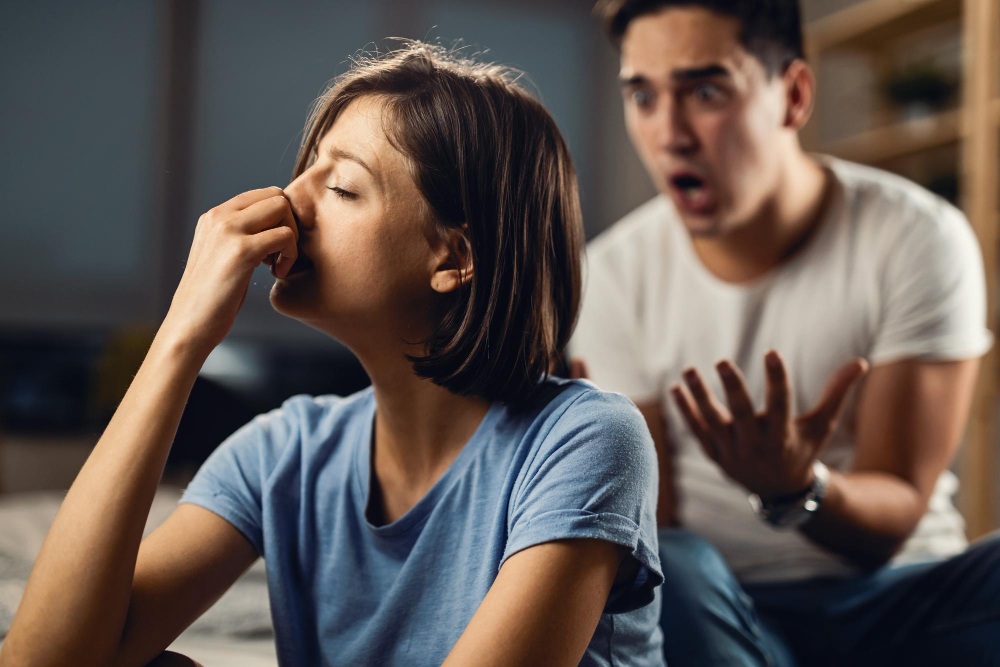
For example, a husband working long hours in downtown LA may come home exhausted and respond abruptly to simple questions. His tone reflects stress, emotional overload, or even patterns associated with Alexithymia in Relationships, not necessarily his feelings toward his partner. However, the impact on the relationship is real.
Dr. Harel highlights that tone is often less about intention and more about emotional state. Recognizing this reduces personalization and blame.
Emotional Triggers Linked to Tone
Why Tone Feels So Personal
Tone often activates past emotional experiences. If someone grew up in a critical or hostile environment, they may be especially sensitive to harsh tone.
For example:
- A partner raised with frequent criticism may react strongly to even mild irritation
- Someone who experienced emotional neglect may perceive neutral tone as cold or distant
In relationships, tone becomes a trigger because it connects present interactions to past emotional memory.
How Tone Impacts Emotional Safety
Safety Is Built Through Delivery
Emotional safety means feeling respected, heard, and valued. Tone plays a central role in maintaining that safety.
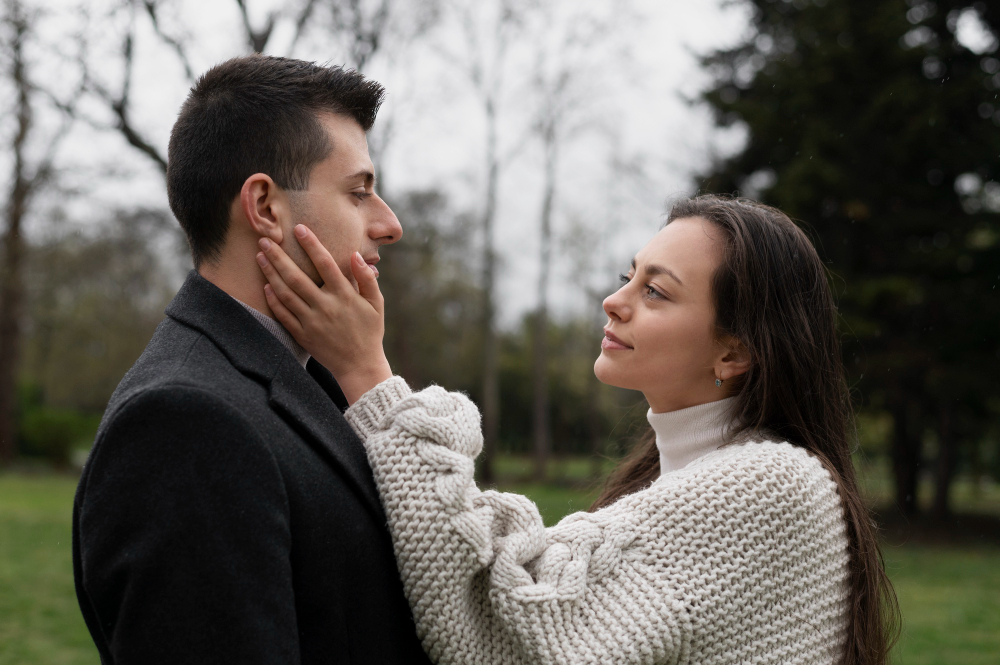
A calm, respectful tone communicates:
- “You matter”
- “I am not attacking you”
- “We are on the same team”
A harsh tone communicates:
- “You are wrong”
- “I am frustrated with you”
- “You are the problem”
Over time, repeated negative tone can make partners hesitant to communicate openly. They may avoid conversations to prevent conflict.
Common Tone Mistakes Couples Make

1. Speaking While Emotionally Flooded
When emotions are high, tone naturally becomes sharper. Attempting to communicate in that state often leads to escalation.
2. Using Sarcasm Instead of Direct Expression
Sarcasm may feel safer than direct vulnerability, but it often creates confusion and hurt.
3. Assuming Intent Based on Tone
Partners may assume negative intent when tone is off, even if the speaker did not mean harm.
4. Ignoring the Impact of Tone
Many people focus only on their words and overlook how their tone affects the listener.
How to Improve Tone in Conflict
1. Pause Before Responding
If you feel emotionally activated, take a moment before speaking.
You can say:
“I need a minute to respond calmly.”
This prevents reactive tone.
2. Lower Your Voice Intentionally
A softer tone naturally de-escalates tension. Even if the conversation is difficult, a calm delivery signals safety.
3. Use Neutral Language
Instead of:
“You always forget everything”
Try:
“I noticed this didn’t get done. Can we talk about it?”
Neutral phrasing supports a calmer tone.
4. Check Your Delivery
Ask yourself:
“How would this sound if I were hearing it?”
Self-awareness is key.
5. Repair Quickly if Tone Was Harsh
Everyone slips. What matters is repair.
You might say:
“I realize my tone was sharp. That wasn’t fair. Let me say that again.”
Repair builds trust.
Real-Life Los Angeles Example
A couple in Manhattan Beach frequently argued about household responsibilities. The wife felt overwhelmed, while the husband felt criticized.
The turning point was not changing the content of their discussions but adjusting tone. When the wife shifted from a frustrated tone to a calm request, the husband became more receptive. Similarly, when the husband responded without defensiveness, arguments reduced significantly.
The issue was not chores. It was delivery.
When Tone Issues Require Professional Support?
If tone consistently includes:
- Yelling
- Contempt or mockery
- Chronic irritation
- Emotional shutdown
It may indicate deeper relational patterns.
Dr. Harel, a licensed clinical psychologist in Los Angeles with over 16 years of experience, helps couples identify tone-related triggers and develop healthier communication habits. Therapy focuses on emotional regulation, conflict restructuring, and rebuilding safety.
Final Thoughts
Tone of voice is one of the most powerful yet overlooked aspects of relationship communication. It can either create connection or trigger conflict within seconds.
In Los Angeles, where stress is high and time is limited, tone often reflects underlying emotional strain and unresolved issues in relationship dynamics. However, with awareness and intentional effort, couples can transform how they communicate.
Dr. Harel emphasizes that improving tone is not about perfection. It is about consistency, self-awareness, and willingness to repair.
When couples learn to speak with calm, respect, and clarity, even difficult conversations become opportunities for understanding rather than conflict.
Sometimes, changing the tone changes everything.
Frequently Asked Questions (FAQs)
Yes. Repeated sarcasm, impatience, coldness, or dismissive delivery can slowly weaken emotional connection and trust even when conversations remain calm on the surface.
Stress reduces emotional regulation and increases sensitivity to perceived criticism. This makes neutral comments more likely to be interpreted negatively during high-pressure periods.
Yes. Without facial expressions or vocal cues, texts are often misinterpreted. Short replies, delayed responses, or unclear wording can create unnecessary emotional tension between partners.
Using slower speech, neutral phrasing, active listening, and taking breaks during emotional escalation can help conversations remain respectful and productive.
Yes. Consistently harsh or emotionally disconnected communication can reduce emotional closeness, trust, and physical intimacy over time.
Yes. Personal history, attachment style, past relationship experiences, and childhood environment can all influence how strongly someone reacts to tone of voice.
Absolutely. Therapy can help couples recognize negative communication habits early, improve emotional awareness, and build healthier interaction patterns before conflicts become more damaging.

Harel Papikian
Dr. Harel Papikian is a clinical psychologist and couples therapist with more than 15 years of experience. He offers marriage counseling and couples therapy in los Angeles. It help’s couples navigate their relationship challenges and deepen their connection. Our clinic uses a unique ARM method (Awareness, Release, Mastery) to achieve rapid and profound results for our clients. We serve a diverse clientele, including LGBTQ+ and heterosexual couples, addressing issues like communication breakdowns, conflict resolution, intimacy, and trust. You can also get individual therapy sessions for concerns like depression, anxiety, and trauma.
Leave a Reply