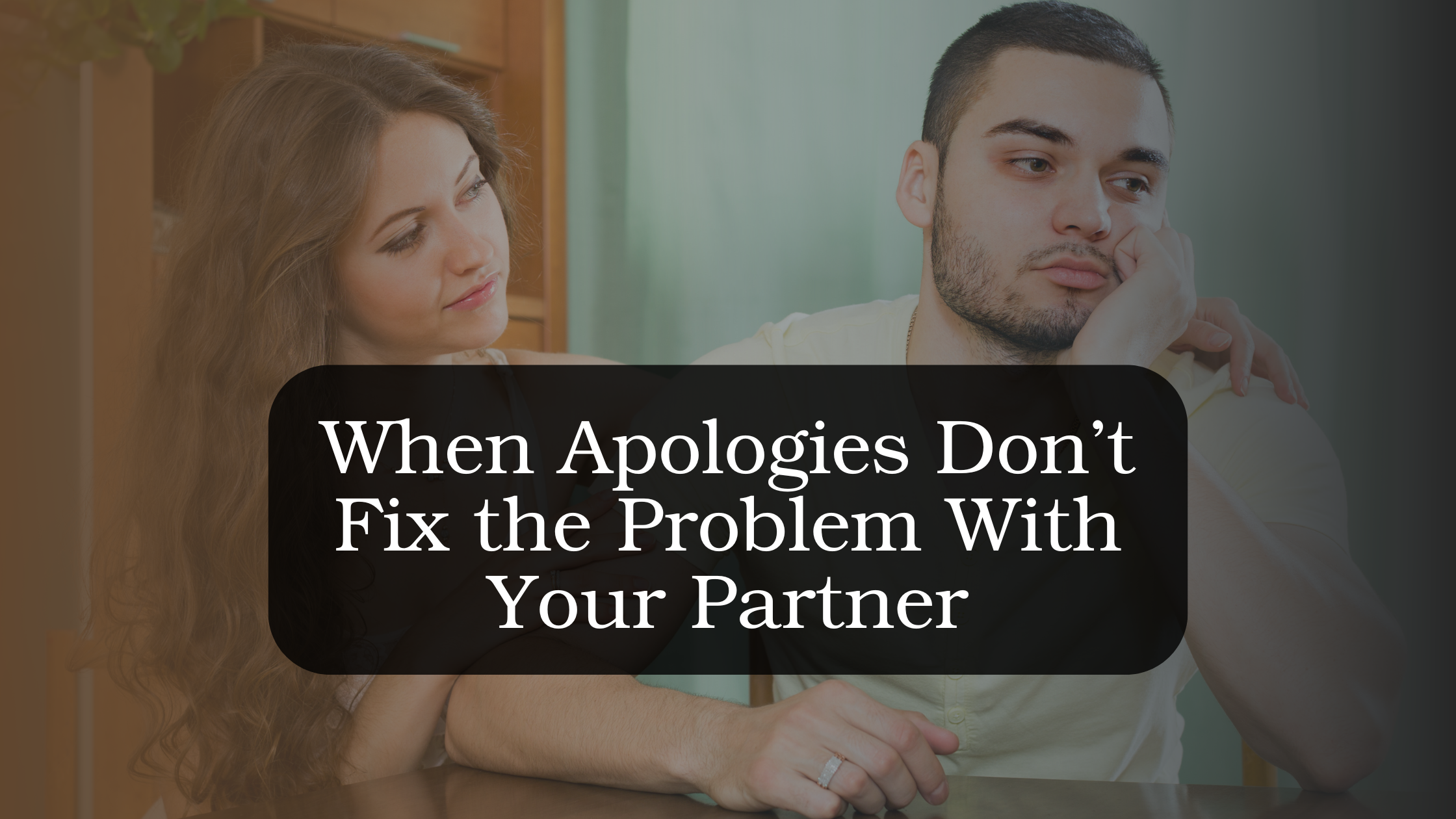
When Apologies Don’t Fix the Problem With Your Partner
Apologizing is often seen as the cornerstone of repairing conflict in relationships. Many couples believe that once “I’m sorry” is said, the issue should be resolved and the relationship should move forward. Yet in reality, many partners find themselves stuck in the same cycle. One apologizes. The other still feels hurt. The conflict returns again, sometimes stronger than before.
If this sounds familiar, you are not alone. In many relationships, apologies fail not because they are insincere, but because they are incomplete.
In Los Angeles, where busy schedules, career pressure, and emotional fatigue often limit deeper conversations, couples may rely on quick apologies to move past discomfort. However, unresolved emotional needs tend to resurface, which is one reason many couples seek couples therapy to better understand and address recurring relationship patterns.
Dr. Harel, a licensed clinical psychologist in Los Angeles with over 16 years of experience, explains that apologies are only one part of repair. True resolution requires emotional understanding, behavioral change, and restored trust.
Why Apologies Sometimes Fall Short

Many apologies focus on a specific incident:
“I’m sorry I snapped at you.”
“I’m sorry I forgot.”
While these statements acknowledge the behavior, they often do not address the underlying pattern that caused the conflict.
For example, a couple in Santa Monica may repeatedly argue about one partner being late. Each time, an apology is offered. However, if the deeper issue is feeling unprioritized or disrespected, the apology does not resolve the emotional impact.
Understanding these recurring dynamics is often an important part of learning How to Quit Arguing in a Relationship, as unresolved emotional concerns tend to resurface in future conflicts.
Without addressing the pattern, the same conflict repeats.
Emotional Needs Remain Unmet
An apology may acknowledge wrongdoing, but it does not automatically meet the emotional need created by the situation.
For instance:
- A partner who feels ignored needs reassurance and attention
- A partner who feels disrespected needs acknowledgment and validation
- A partner who feels unsafe needs consistency and trust-building
In Brentwood, a wife whose husband frequently cancels plans may hear repeated apologies. However, what she truly needs is reliability and emotional presence.
Dr. Harel emphasizes that emotional repair requires understanding what the hurt meant, not just what happened.
Types of Ineffective Apologies

1. The Quick Exit Apology
“I said sorry, what else do you want?”
This type of apology is used to end the conversation rather than repair the connection. It often leaves the other partner feeling dismissed.
2. The Defensive Apology
“I’m sorry, but you also…”
Adding justification undermines accountability. It shifts focus away from repair and back into blame.
3. The Repetitive Apology Without Change
When the same behavior occurs repeatedly despite multiple apologies, trust erodes.
For example, in Pasadena, a husband apologizes for losing his temper during arguments. However, without effort to regulate his reactions, the apology loses meaning over time.
4. The Emotionally Disconnected Apology
“I’m sorry you feel that way.”
This acknowledges the partner’s feelings without taking responsibility for causing them. It can feel invalidating.
What Actually Repairs a Relationship
| Apology | Repair |
| Acknowledges the mistake | Understands the emotional impact |
| Focuses on the event | Addresses the pattern |
| Uses words | Requires action and consistency |
| Can be immediate | Takes time to rebuild trust |
An apology is a starting point. Repair is the process that follows.
Step 1: Understand the Deeper Meaning of the Conflict
Ask yourself:
- What did this situation mean to my partner?
- Did they feel ignored, disrespected, or unimportant?
- Is this part of a recurring issue?
For example, a couple in West Hollywood may argue about phone usage during dinner. On the surface, it is about distraction. Beneath it, one partner may feel emotionally disconnected.
Understanding meaning transforms the conversation.
Step 2: Validate Before Fixing
Before explaining your perspective, acknowledge your partner’s experience.
You might say:
“I understand why that hurt you. I can see how it made you feel unimportant.”
Validation does not mean agreement. It means recognizing the emotional reality of your partner.
In Los Angeles, where communication is often rushed due to busy schedules, slowing down to validate can significantly reduce conflict escalation.
Step 3: Take Full Accountability
Accountability sounds like:
“I should not have spoken to you that way. I understand the impact it had.”
It does not include excuses or shifting blame.
Dr. Harel emphasizes that accountability builds trust. Without it, apologies feel hollow.
Step 4: Commit to Specific Behavioral Change
A meaningful repair includes a clear plan for change.
Instead of:
“I’ll try to do better,”
Say:
“I will put my phone away during dinner so we can focus on each other.”
In Manhattan Beach, a couple improved connection by implementing small changes like scheduled check-ins and device-free time. These actions reinforced trust more than repeated apologies ever did.
Step 5: Allow Time for Trust to Rebuild
Even after a sincere apology and commitment to change, your partner may still feel hurt. This does not mean the apology failed. It means emotional processing takes time.
Avoid saying:
“Why are you still upset? I already apologized.”
Instead, offer patience:
“I understand it may take time. I’m here to work through it.”
Consistency over time rebuilds trust.
Step 6: Address Recurring Patterns Directly
If the same issue appears repeatedly, it requires deeper conversation.
Ask:
- “Why does this keep happening?”
- “What are we both contributing to this pattern?”
- “What needs to change long-term?”
For example, a couple in Beverly Hills repeatedly argued about work-life balance. Apologies were frequent but ineffective. Once they addressed underlying expectations and priorities, the conflict reduced.
Patterns require solutions, not repeated apologies.
Step 7: Rebuild Consistency Instead of Relying on Apologies
In many relationships, conflict follows a predictable cycle. An argument happens, emotions escalate, apologies are exchanged, and things seem to settle temporarily. However, if the underlying behavior does not change, the same issue resurfaces. Over time, apologies begin to lose their meaning, not because they are insincere, but because they are not followed by consistent action. This pattern often contributes to Unresolved Issues in Relationship dynamics, where recurring conflicts remain unaddressed despite repeated discussions.
For example, a couple in Santa Monica may repeatedly argue about one partner coming home late without communication. Each time, an apology is offered, but the behavior continues. Eventually, the issue is no longer about punctuality. It becomes about reliability and respect.
Rebuilding trust requires behavioral consistency, not just verbal repair.
How to Focus on Consistent Change
Instead of relying on repeated apologies, shift toward:
- Clearly identifying the pattern that keeps repeating
- Agreeing on specific, realistic changes
- Following through consistently over time
- Acknowledging progress, even if small
You might say:
“I don’t want us to keep apologizing for the same thing. Let’s figure out what needs to actually change.”
Consistency builds credibility. Over time, small, reliable actions restore emotional safety far more effectively than repeated verbal reassurance.
Know When to Seek Professional Support

If you find yourselves stuck in cycles where:
- The same arguments repeat
- Apologies feel meaningless
- Resentment continues to grow
- Emotional distance increases
It may be time for structured support.
Dr. Harel, a licensed clinical psychologist in Los Angeles with over 16 years of experience, helps couples move beyond surface-level apologies and understand deeper relational dynamics.
Therapy provides tools to:
- Identify recurring patterns
- Improve communication
- Build emotional safety
- Restore trust through structured repair
Sometimes, an outside perspective is necessary to break entrenched cycles.
Final Thoughts
Apologies are important, but they are not enough on their own. When apologies fail, it is usually not because they are insincere. It is because they do not address the deeper emotional needs and patterns within the relationship, including, in some cases, challenges associated with Alexithymia in Relationships that can make emotional recognition and validation more difficult.
In Los Angeles, where life moves quickly and emotional conversations are often shortened, couples may rely on quick apologies to maintain peace. However, true connection requires slowing down, understanding impact, and committing to change.
Dr. Harel emphasizes that repair is a process, not a moment. It involves empathy, accountability, action, and consistency.
When couples move beyond “I’m sorry” and toward meaningful repair, they create stronger trust, deeper intimacy, and a more resilient partnership.
Frequently Asked Questions (FAQs)
Yes. Relationships can recover even when apologies no longer feel effective. Recovery typically depends on rebuilding trust through consistent actions, open communication, and a willingness from both partners to address underlying issues rather than focusing only on past mistakes.
Some individuals find apologies difficult because of pride, fear of rejection, shame, past experiences, or a belief that apologizing makes them appear weak. Understanding these barriers can help couples approach conflict with greater empathy and patience.
Guilt often focuses on feeling bad about one’s actions, while genuine remorse includes concern for the impact those actions had on another person. Remorse is usually accompanied by accountability and a desire to make meaningful changes.
Yes. Forgiveness and trust are related but separate processes. A person may choose to forgive while still needing time and evidence of consistent behavior before trust is rebuilt completely.
Emotional maturity helps partners manage defensiveness, accept responsibility, tolerate difficult conversations, and prioritize long-term relationship health over being right in the moment. These skills support more effective conflict resolution.
Yes. Family upbringing, cultural norms, and past relationship experiences can shape how individuals express regret, accept responsibility, and respond to conflict. Understanding these differences can reduce misunderstandings between partners.
The willing partner can focus on healthy communication, personal accountability, and setting appropriate boundaries. However, meaningful relationship repair usually requires participation from both individuals. Professional guidance can help navigate situations where motivation levels differ.

Harel Papikian
Dr. Harel Papikian is a clinical psychologist and couples therapist with more than 15 years of experience. He offers marriage counseling and couples therapy in los Angeles. It help’s couples navigate their relationship challenges and deepen their connection. Our clinic uses a unique ARM method (Awareness, Release, Mastery) to achieve rapid and profound results for our clients. We serve a diverse clientele, including LGBTQ+ and heterosexual couples, addressing issues like communication breakdowns, conflict resolution, intimacy, and trust. You can also get individual therapy sessions for concerns like depression, anxiety, and trauma.
Leave a Reply