How Technology Is Affecting Modern Relationships?
Technology has changed the way couples communicate, spend time together, handle conflict, and even experience intimacy. A quick text can keep partners connected across distance, while a phone sitting between two people can make them feel surprisingly far apart. Social media can create comparisons, dating apps can change expectations, and constant notifications can make it difficult to be fully present. So, is technology bringing couples closer or quietly creating distance? The answer often depends on how it is being used.
Let’s look at the biggest ways technology is affecting modern relationships, from communication and trust to intimacy and quality time. We’ll also explore practical ways couples can use technology without allowing it to take over their connection.
How Is Technology Changing Couple Communication?
Technology has made communication easier, but not always clearer.
Texting allows couples to check in throughout the day, share thoughts, and stay connected when they are apart. At the same time, messages can easily be misunderstood because they lack tone, facial expressions, and body language.
A simple “okay” can sound annoyed. A delayed reply can feel like rejection. A serious conversation can quickly turn into paragraphs of texts and screenshots.
Technology can also create an expectation of constant availability.
You may think:
“They’re online. Why haven’t they replied?”
Being online, however, does not necessarily mean someone is available for a conversation.
For healthier communication:
- Move serious conversations offline when possible, using therapist-approved communication skills for the harder ones.
- Don’t assume the meaning behind a short message.
- Give each other reasonable time to respond.
- Avoid using texting to continue heated arguments.
When digital communication starts creating more confusion than connection, the relationship needs space for real conversation.

Can Social Media Affect Trust And Expectations?
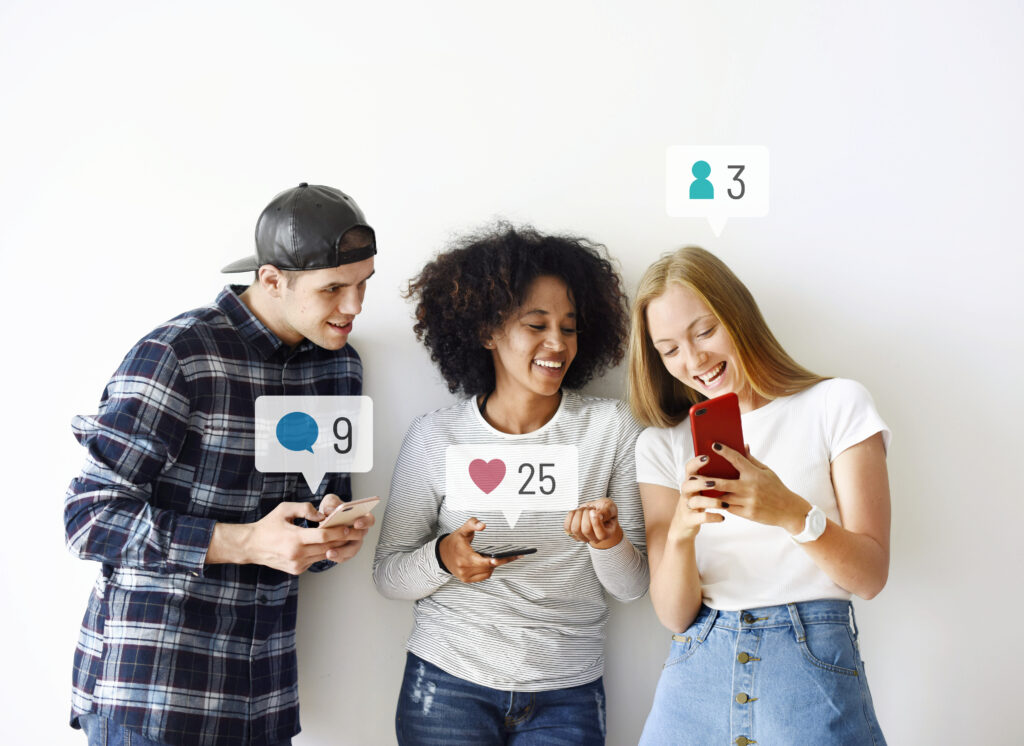
Social media can quietly change how couples view their own relationships.
You see someone’s anniversary surprise, holiday, engagement, or romantic date and may start comparing it with your own relationship. The problem is that social media usually shows selected moments, not the full picture.
This can lead to:
- Jealousy
- Unrealistic expectations
- Feeling inadequate
- Pressure to publicly display affection
- Overthinking likes, comments, and follows
Social media can also create trust concerns. Checking who your partner follows, when they were last active, or who they interact with may start as curiosity and gradually become monitoring.
For example, seeing your partner like someone’s photo doesn’t tell you what that interaction means. Yet it can be enough to send someone down a rabbit hole of checking profiles and creating assumptions.
Healthy relationships need trust and communication, not constant digital investigation, and the quiet effects are covered in how social media is quietly damaging your relationship.
Is Technology Taking Away Quality Time?
One of the biggest problems with technology is that couples can be physically together without actually being present with each other.
Picture a typical evening. One partner is watching television while the other scrolls through Instagram. A notification appears, someone checks a message, and suddenly both people are on their phones.
Nothing dramatic happened. Still, meaningful connection never really happened either, a pattern known as phubbing.
Phone use becomes more concerning when it regularly interrupts:
- Meals
- Conversations
- Date nights
- Bedtime
- Shared activities
- Intimate moments
Creating small phone-free periods can make a noticeable difference.
Try having dinner without devices, taking a walk together, or spending the first few minutes after coming home without immediately reaching for your phones.
The goal isn’t less technology for the sake of it. It is more attention for the relationship.
How Does Technology Affect Emotional Intimacy?
Digital communication can create genuine closeness. A thoughtful message, video call, shared playlist, or funny meme can make someone feel remembered and connected.
The problem comes when digital interaction starts replacing deeper connection, which is a common route to couples growing apart without any fighting.
A couple may message constantly throughout the day but rarely talk about how they actually feel. They may send affectionate texts but struggle to have difficult conversations face to face.
Digital intimacy can support a relationship, but it works best alongside real-world connection.
| Digital Connection | In-Person Connection |
| Texts and quick check-ins | Deeper conversations |
| Video calls | Shared physical presence |
| Sharing posts and memes | Shared experiences |
| Online reassurance | Emotional and non-verbal cues |
Neither has to replace the other. The healthiest approach is finding a balance between the two.
How Are Dating Apps Changing Modern Relationships?
Technology has completely changed how people meet.
Dating apps can help people connect outside their usual social circles. They also create challenges such as:
- Choice overload
- Ghosting
- Constant comparison
- Superficial conversations
- Pressure to keep looking for another option
The endless availability of potential matches can sometimes make dating feel transactional.
For couples, the issue may be different. Continued use of dating apps, ambiguous online friendships, or interactions with former partners can create questions about commitment and boundaries.
Clear conversations about what is appropriate online can prevent many of these misunderstandings.
What Can Couples Do About Technology Problems?
The answer isn’t to throw away your phones. It is to become more intentional about how technology fits into your relationship.
A few simple habits can help:
- Create regular tech-free time together.
- Keep serious disagreements out of text messages.
- Avoid comparing your relationship with social media couples.
- Discuss expectations around privacy and online interactions.
- Don’t use likes or posts to measure affection.
- Put phones away when one partner needs your full attention.
- Focus on shared experiences rather than documenting everything.
These changes may seem small, but they can create more opportunities for couples to actually notice and respond to each other.
When Should Couples Seek Professional Help?
Technology-related disagreements are not always really about technology.
Repeated arguments about phones, social media, or online interactions may be connected to deeper issues involving trust, insecurity, communication, or emotional disconnection.
Professional support may be helpful when:
- The same digital conflict keeps returning.
- One partner feels constantly ignored or monitored.
- Online interactions have seriously damaged trust.
- Couples cannot discuss boundaries without arguing.
- Technology is affecting intimacy or quality time.
Sometimes the question isn’t “How much time should we spend on our phones?” It is “What are we missing from each other when the phones are around?”
That can be a much more productive conversation to have in therapy.
How Dr. Harel Papikian Helps Couples Address Technology Problems
Dr. Harel Papikian, a couples therapist in Los Angeles, looks beyond the immediate behaviour and helps couples understand the relationship patterns underneath it.
His ARM Method focuses on:
- Awareness of each partner’s perspective and relationship patterns
- Release of unresolved emotional experiences and beliefs
- Mastery of communication, conflict resolution, and intimacy skills
For example, an argument about a partner being on their phone may actually be about feeling ignored. A disagreement over social media may be connected to an older trust issue.
Understanding what sits underneath the technology problem can help couples address the relationship itself rather than repeatedly fighting about the latest notification.
Dr. Harel works with couples and individuals in Los Angeles and also offers virtual therapy.
Final Thoughts:
Technology isn’t automatically good or bad for relationships. It depends on how much space it takes up and what role it plays between two people. Phones, social media, and dating apps can help couples communicate and stay connected, but they can also create distraction, comparison, misunderstandings, and emotional distance.
The goal isn’t to eliminate technology. It is to make sure it doesn’t replace attention, conversation, and shared experiences. If technology has become a recurring source of conflict, Dr. Harel Papikian can help you understand the deeper relationship patterns involved and develop healthier ways to connect.
Frequently Asked Questions About Technology And Relationships
Yes. Constant phone use, social media comparisons, digital misunderstandings, and divided attention can contribute to conflict and emotional distance. The impact depends largely on whether technology is supporting connection or consistently taking attention away from the relationship.
It can. Texting removes many non-verbal cues, making tone and intention easier to misunderstand. This becomes particularly difficult when couples use messages to handle serious disagreements that would be easier to discuss face to face.
Phone-free time can give couples opportunities to focus completely on each other. It could be something simple, such as having dinner without phones, taking a walk together, or keeping devices away during an important conversation.
Yes. Social media usually shows carefully selected moments rather than everyday relationship realities. Constantly seeing romantic holidays, gifts, and public affection can make couples compare their private relationship with someone else’s carefully curated online image.
Start by identifying what is actually causing the disagreement. Discuss expectations around phone use, privacy, social media, and communication. Creating a few mutually agreed boundaries can be more effective than imposing strict rules.
Consider therapy when technology repeatedly contributes to mistrust, arguments, emotional distance, or avoidance. If couples keep fighting about phones or social media without resolving the underlying issue, there may be a deeper relationship pattern worth exploring.

Harel Papikian
Dr. Harel Papikian is a clinical psychologist and couples therapist with more than 15 years of experience. He offers marriage counseling and couples therapy in los Angeles. It help’s couples navigate their relationship challenges and deepen their connection. Our clinic uses a unique ARM method (Awareness, Release, Mastery) to achieve rapid and profound results for our clients. We serve a diverse clientele, including LGBTQ+ and heterosexual couples, addressing issues like communication breakdowns, conflict resolution, intimacy, and trust. You can also get individual therapy sessions for concerns like depression, anxiety, and trauma.
Leave a Reply