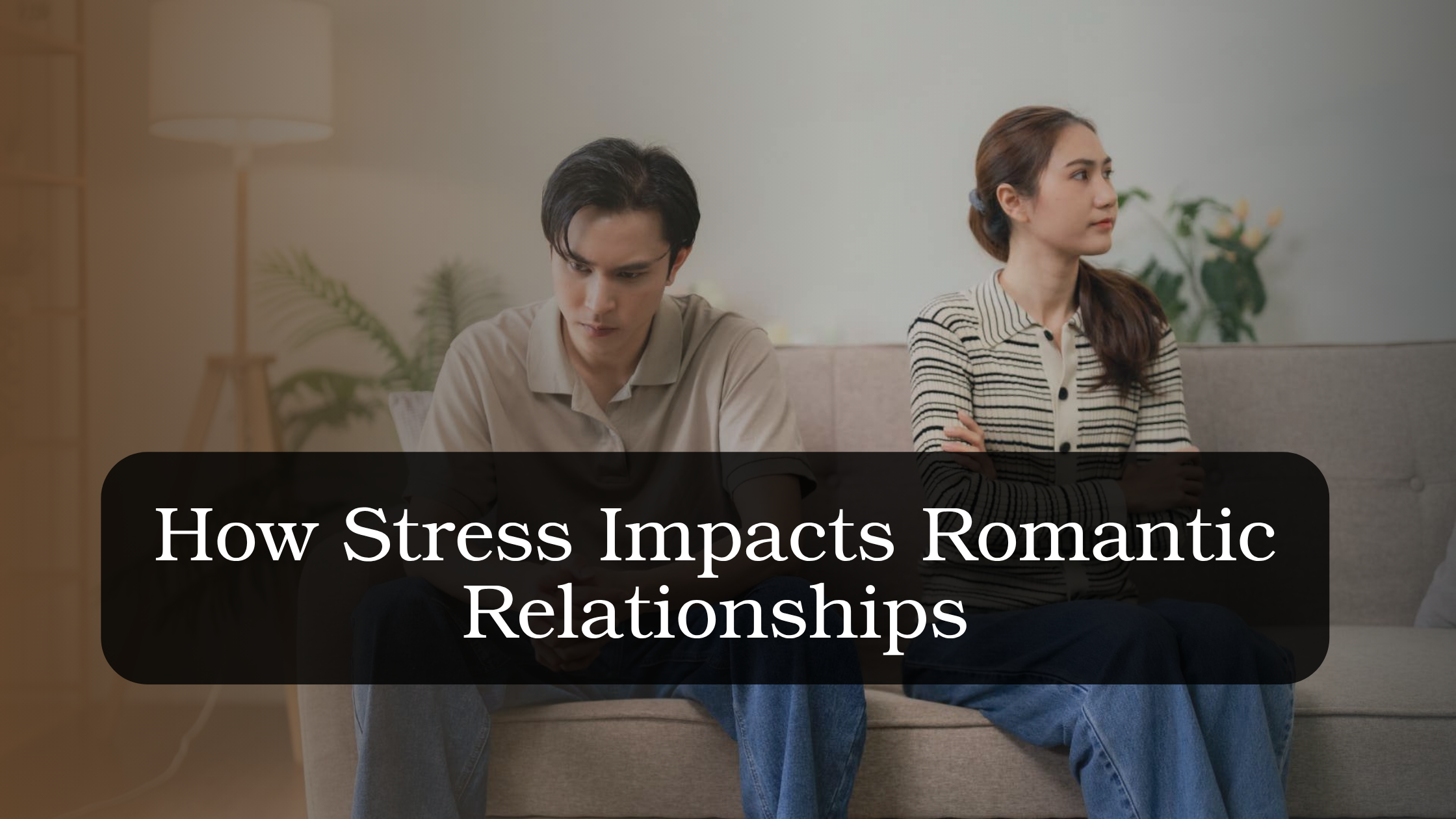
How Stress Impacts Romantic Relationships
Stress is an unavoidable part of life. Deadlines, financial responsibilities, parenting, health concerns, career changes, and family obligations all place demands on our time and emotional energy. While most people recognize how stress affects their mood or physical health, they often underestimate how profoundly it can affect their romantic relationship.
Many couples begin to worry that they are growing apart when, in reality, they are responding to prolonged stress. Conversations become shorter, patience wears thin, affection decreases, and misunderstandings become more frequent. Because these changes happen gradually, it’s easy to assume the relationship itself is the problem when the real issue is the pressure both partners are carrying.
In his work with individuals and couples across Los Angeles, Dr. Harel, a licensed clinical psychologist with over 16 years of experience, often reminds clients that relationships do not exist separately from life. When stress increases, it influences the way people think, communicate, regulate emotions, and respond to one another. Understanding this connection helps couples shift from blaming each other to working together against the stress affecting their relationship.
How Stress Affects Romantic Relationships

Stress Changes How We Think and Respond
Stress affects much more than emotions. It influences the brain’s ability to think clearly, solve problems, and regulate emotional reactions.
When someone is under prolonged stress, the nervous system becomes more focused on survival than connection. As a result, everyday interactions can feel more emotionally charged than they normally would.
A stressed partner may become:
- More impatient during conversations
- Easily irritated by minor issues
- Less emotionally available
- More forgetful or distracted
- Quicker to become defensive
These reactions are often interpreted as a lack of care or commitment. In reality, they may simply reflect an overwhelmed nervous system struggling to manage multiple demands.
These reactions are often interpreted as a lack of care or commitment. In reality, they may simply reflect an overwhelmed nervous system struggling to manage multiple demands which is why learning emotional regulation matters as much during stressful seasons as during conflict.
Recognizing this distinction helps couples respond with greater understanding rather than assuming the relationship itself is deteriorating.
Communication Often Becomes More Reactive
One of the earliest signs that stress is affecting a relationship is a noticeable change in communication.
Instead of thoughtful conversations, interactions become brief, practical, or emotionally reactive. Couples may begin discussing only responsibilities, schedules, or problems while meaningful conversations gradually disappear.
Common communication changes include:
- Interrupting each other more frequently
- Misinterpreting tone or facial expressions
- Becoming defensive during minor disagreements
- Avoiding conversations altogether
- Having less patience to fully listen
Stress reduces emotional bandwidth, making it harder to pause, reflect, and respond calmly.
Stress reduces emotional bandwidth, making it harder to pause, reflect, and respond calmly this is often where therapist-approved communication skills make the biggest difference.
Over time, these communication patterns can create the impression that partners no longer understand each other, even though the underlying issue may be chronic stress rather than incompatibility.
Emotional Connection Begins to Fade
Healthy relationships depend on emotional connection, but connection requires time, attention, and psychological availability.
When people are overwhelmed by work, parenting, financial concerns, or caregiving responsibilities, emotional energy naturally becomes limited.
Instead of sharing feelings or checking in with one another, couples often focus exclusively on getting through the day.
This can lead to:
- Fewer meaningful conversations
- Reduced expressions of affection
- Feeling emotionally distant
- Less curiosity about each other’s experiences
- A growing sense of living parallel lives
Many couples describe feeling more like roommates than romantic partners during prolonged periods of stress.
Fortunately, this kind of emotional distance is often reversible once couples recognize what is happening and begin intentionally reconnecting.
Small Problems Start Feeling Much Bigger
When emotional resources are low, the brain becomes less flexible and more reactive.
As a result, relatively minor situations can trigger disproportionately strong emotional responses.
For example, disagreements about household chores, arriving home late, or forgetting to return a phone call may quickly escalate into arguments about appreciation, commitment, or respect.
This doesn’t happen because the issues themselves are enormous.
It happens because stress lowers emotional resilience, making it harder to separate today’s frustration from accumulated pressure.
The relationship becomes the place where stress is expressed, even when the relationship is not the source of that stress.
Intimacy Often Changes During Stressful Periods
Stress affects both emotional and physical intimacy.
When people feel overwhelmed, the nervous system prioritizes managing immediate demands over seeking closeness.
Couples may notice:
- Less physical affection
- Reduced sexual intimacy
- Less interest in spending uninterrupted time together
- Feeling emotionally disconnected despite loving each other
These changes can easily be misunderstood.
One partner may assume the other has lost interest in the relationship, while the other is simply emotionally exhausted.
Without open communication, both partners may create explanations that increase misunderstanding and insecurity.
External Stress Can Turn Partners Into Opponents
One of the greatest risks of chronic stress is that couples begin directing frustration toward each other instead of recognizing the external pressures affecting them.
Instead of saying, “We’re both overwhelmed,” couples may unconsciously begin thinking:
- “You’re not helping enough.”
- “You don’t understand what I’m dealing with.”
- “Everything falls on me.”
As blame increases, teamwork decreases.
Healthy couples gradually shift from solving problems together to defending themselves against each other.
This is one reason therapists often encourage couples to view stress as a shared challenge rather than an individual failing.
When partners remember that the stress is the common enemy, collaboration becomes much easier.
Major Life Stressors That Frequently Affect Relationships
Certain life events place particularly high demands on couples.
Some of the most common include:
- Financial uncertainty ( which is one of the most common sources of tension see how to handle financial stress in your relationship.)
- Career changes or job loss
- Pregnancy and new parenthood ( a period where couples therapy can be one of the best investments new parents make.)
- Infertility challenges
- Caring for aging parents
- Serious illness
- Relocation
- Grief and loss
- Blending families
- Major lifestyle transitions ( during which finding peace through life transitions becomes especially relevant.)
These events do not automatically damage relationships.
However, they increase the importance of intentional communication and emotional support.
In cities like Los Angeles, where long work hours, traffic, financial pressures, and competitive careers are common, these stressors often overlap, making relationship maintenance even more important.

How Healthy Couples Protect Their Relationship During Stress
Stress cannot always be eliminated, but couples can reduce its impact by staying emotionally connected even during demanding periods.
Healthy couples often make a conscious effort to:
- Check in emotionally instead of only discussing logistics ( Check in emotionally instead of only discussing logistics a practice closely related to coregulation between partners.)
- Express appreciation regularly
- Give each other the benefit of the doubt
- Discuss stress openly rather than hiding it
- Set aside small moments for connection
- Repair misunderstandings before resentment builds
These habits do not remove stress, but they prevent stress from quietly eroding the relationship.
Even ten minutes of meaningful conversation each day can help maintain emotional closeness during difficult seasons.
When Stress Is Hiding a Deeper Relationship Issue
While stress explains many relationship struggles, it does not explain all of them.
Sometimes prolonged stress simply reveals problems that already existed beneath the surface.
Questions worth considering include:
- Were these communication problems present before the stressful period?
- Do we recover emotionally when stress decreases?
- Are both partners making an effort to reconnect?
- Do we still enjoy being together when responsibilities are temporarily removed?
The answers can help distinguish temporary stress-related disconnection from more persistent relationship concerns that deserve attention.
How Couples Therapy Can Help Couples Manage Stress Together
Many couples seek therapy believing they have a communication problem, only to discover that stress has significantly altered the way they interact.
Therapy helps couples understand how stress affects their individual emotional responses, identify recurring conflict patterns, and develop healthier ways of supporting one another during demanding periods.
In his Los Angeles practice, Dr. Harel works with couples facing career pressures, parenting challenges, financial stress, and major life transitions. Rather than focusing only on solving conflicts, therapy helps couples strengthen emotional resilience so that external stress no longer dictates the quality of their relationship.
Learning to face stress as a team often becomes one of the strongest predictors of long-term relationship satisfaction.
Final Thoughts
Stress is a normal part of life, but it does not have to become a permanent part of your relationship.
When couples understand how stress changes communication, emotional availability, patience, and connection, they are less likely to mistake temporary pressure for permanent incompatibility.
The healthiest relationships are not those that avoid stressful seasons. They are the ones that continue choosing each other while navigating them.
By recognizing stress early, communicating openly, and approaching challenges as partners instead of opponents, couples can protect the emotional foundation of their relationship even during life’s most demanding chapters.
Because in the end, it’s often not stress itself that determines the strength of a relationship. It’s how two people respond to that stress, together.
Frequently Asked Questions
Yes. Prolonged stress can affect communication, patience, emotional availability, affection, and intimacy. These changes can create relationship difficulties even when the underlying relationship remains strong.
Stress can reduce emotional bandwidth and make people more reactive. As a result, small disagreements may feel much bigger and can quickly turn into arguments about deeper concerns such as appreciation, commitment, or respect.
Yes. When people are overwhelmed, they may have less emotional energy for meaningful conversations, affection, and connection. This can create a feeling of emotional distance even when both partners still care deeply about each other.
Couples can talk openly about the stress they are experiencing, check in emotionally, express appreciation, and approach external pressures as a shared challenge. Creating small moments of connection and repairing misunderstandings early can also help protect the relationship.
Couples may benefit from therapy when stress is creating recurring conflict, emotional distance, communication problems, or difficulties with intimacy that they are struggling to resolve on their own. Therapy can help partners understand their patterns and develop healthier ways to manage stress together.

Harel Papikian
Dr. Harel Papikian is a clinical psychologist and couples therapist with more than 15 years of experience. He offers marriage counseling and couples therapy in los Angeles. It help’s couples navigate their relationship challenges and deepen their connection. Our clinic uses a unique ARM method (Awareness, Release, Mastery) to achieve rapid and profound results for our clients. We serve a diverse clientele, including LGBTQ+ and heterosexual couples, addressing issues like communication breakdowns, conflict resolution, intimacy, and trust. You can also get individual therapy sessions for concerns like depression, anxiety, and trauma.
Leave a Reply