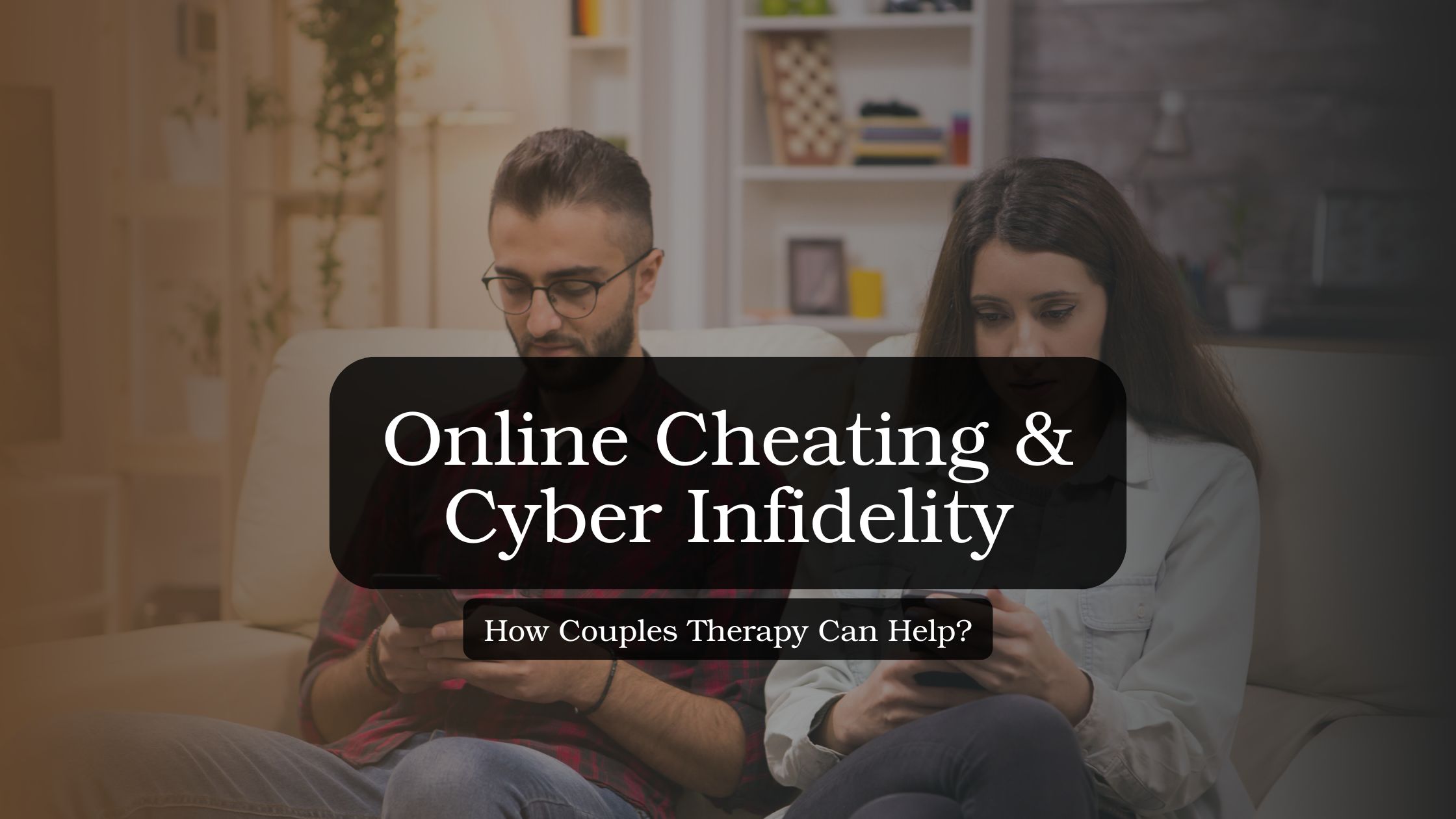
Online Cheating & Cyber Infidelity: How Couples Therapy Can Help?
It doesn’t always start with an intention to betray. A message here. A late-night conversation there. A connection that feels harmless because it exists behind a screen. No physical meeting. No “real” affair. And yet, something begins to shift.
You start hiding your phone. Deleting chats. Looking forward to someone else’s messages more than your partner’s presence.
And when it’s discovered, the reaction is immediate and intense.
“Nothing happened.”
“It was just talking.”
“Why does this feel like betrayal?”
Because for the partner who is hurt, it is.
This is the reality of online cheating or cyber infidelity, a growing concern in modern relationships, especially in digitally connected environments like Los Angeles, where work, social life, and personal boundaries often overlap online. For many couples, the discovery of online infidelity becomes a reason to seek couples therapy to rebuild trust, improve communication, and address the underlying issues affecting the relationship.
Dr. Harel, a licensed clinical psychologist in Los Angeles with over 16 years of experience, works with couples navigating this exact issue. What makes cyber infidelity complex is not just the behavior, but the ambiguity surrounding it. The lines are often blurred, but the emotional impact is real.
What Is Online Cheating or Cyber Infidelity?

Cyber infidelity refers to engaging in emotionally or romantically intimate interactions with someone outside the relationship through digital platforms.
This may include:
- Flirtatious or suggestive messaging
- Sharing personal thoughts or emotional intimacy
- Secret conversations that are hidden from a partner
- Sexting or exchanging explicit content
- Maintaining online relationships that mimic romantic connection
For example, a professional in Santa Monica may develop a close connection with a colleague through late-night texting. While nothing physical occurs, emotional intimacy deepens, and secrecy increases. Similar patterns can emerge through online interactions, highlighting concerns discussed in conversations about How Social Media Is Quietly Damaging Your Relationship.
The key factor is not whether physical contact occurred. It is whether relational boundaries were crossed.
Why Online Cheating Feels So Confusing
Many individuals involved in cyber infidelity minimize its impact because there is no physical interaction.
Common justifications include:
- “We never met in person”
- “It was just emotional support”
- “It didn’t mean anything”
However, for the partner experiencing the betrayal, the emotional impact can be just as intense as physical infidelity.
Why?
Because it involves:
- Secrecy
- Emotional investment outside the relationship
- Breach of trust
In Los Angeles, where digital communication is constant, these boundaries can be crossed more easily and often unintentionally.
Signs of Cyber Infidelity in a Relationship

Online cheating often reveals itself through patterns rather than a single event.
Common signs include:
- Increased secrecy around phone or devices
- Deleting messages or browsing history
- Emotional distance from partner
- Spending excessive time online
- Defensiveness when questioned
- Sudden attachment to digital communication
For instance, in Pasadena, a partner may begin staying up late to text someone else while becoming less engaged at home. Over time, the shift becomes noticeable.
These signs do not always confirm infidelity, but they signal boundary concerns.
The Emotional Impact on the Relationship
Cyber infidelity can create:
- Loss of trust
- Feelings of betrayal
- Emotional insecurity
- Comparison with the third party
- Increased anxiety and overthinking
For the partner involved in the behavior, there may also be:
- Guilt
- Confusion
- Difficulty understanding the impact
- Defensiveness
| Impact Area | Effect of Cyber Infidelity |
| Trust | Severely damaged |
| Communication | Becomes tense and guarded |
| Intimacy | Declines significantly |
| Emotional Safety | Disrupted |
| Relationship Stability | Uncertain |
In Manhattan Beach, a couple described feeling like “strangers with history” after discovering emotional betrayal online.
Why Cyber Infidelity Happens

It is rarely just about attraction to another person. Often, deeper factors are involved:
1. Emotional Disconnection
One partner may feel unheard or unsupported and seeks connection elsewhere.
2. Curiosity and Novelty
Digital interactions can feel exciting and low-risk initially.
3. Lack of Boundaries
Unclear expectations around online behavior can lead to gradual boundary crossing.
4. Stress and Escape
In high-pressure environments like Los Angeles, online interactions may become a form of escape from daily stress.
Dr. Harel emphasizes that understanding why it happened is essential for repair.
Can a Relationship Recover from Cyber Infidelity?
Yes, But It Requires Honest Work. Recovery is possible when both partners are willing to engage in the process.
Key factors include:
- Transparency moving forward
- Willingness to take responsibility
- Open communication
- Rebuilding emotional connection
- Setting clear boundaries
For example, a couple in Santa Monica rebuilt trust by establishing open communication around digital behavior and addressing underlying emotional disconnection.
Recovery is not quick, but it is possible.
How Couples Therapy Helps
Couples therapy provides a safe and structured environment to navigate the complexity of cyber infidelity.
Dr. Harel, a licensed clinical psychologist in Los Angeles with over 16 years of experience, helps couples:
- Process the emotional impact of betrayal
- Understand underlying relationship patterns
- Rebuild trust step by step
- Establish clear digital boundaries
- Improve communication and emotional connection
Therapy ensures that conversations do not spiral into blame or defensiveness.
Key Areas Addressed in Therapy
1. Understanding the Breach
Therapy explores:
- What boundaries were crossed
- What needs were being met outside the relationship
- How both partners experienced the situation
2. Rebuilding Trust
Trust is rebuilt through:
- Consistent transparency
- Honest communication
- Accountability without defensiveness
3. Setting Digital Boundaries
Couples define:
- What is acceptable online behavior
- What feels like a violation
- How to maintain transparency without control
4. Strengthening Emotional Connection
Therapy focuses on rebuilding the emotional bond that may have weakened before the infidelity occurred.
Practical Steps You Can Take Now

For the Partner Who Was Hurt
- Express feelings clearly without suppressing them
- Avoid constant monitoring or control
- Seek clarity rather than assumptions
For the Partner Who Engaged in Cyber Infidelity
- Take responsibility without minimizing
- Be transparent moving forward
- Show consistent effort to rebuild trust
Small consistent actions matter more than grand gestures.
When to Seek Professional Help
Consider therapy if:
- Trust feels broken
- Conversations lead to conflict
- Emotional pain remains unresolved
- There is confusion about boundaries
- Rebuilding connection feels difficult
In Los Angeles, where digital interactions are deeply integrated into daily life, professional guidance can help couples navigate modern challenges more effectively.
Final Thoughts
Online cheating or cyber infidelity challenges traditional definitions of betrayal, but its emotional impact is very real. Discussions around Emotional Cheating vs Physical Cheating often highlight how both forms of betrayal can disrupt trust, connection, and the sense of security within a relationship. Dr. Harel emphasizes that the goal is not just to address the behavior, but to understand the relationship dynamics that allowed it to happen.
With awareness, accountability, and the right support, many couples are able to rebuild stronger, more honest connections.
Because in today’s world, protecting a relationship is not just about physical boundaries.
It is about emotional and digital integrity. And when those are restored, trust can begin to grow again.
Frequently Asked Questions (FAQs)
Not necessarily. Casual online interactions are generally not considered cyber infidelity. However, if the interaction becomes secretive, emotionally intimate, flirtatious, or begins replacing connection within the primary relationship, it may cross relational boundaries.
Yes. Unresolved trust issues, guilt, insecurity, or unhealthy digital habits can carry into future relationships if the underlying patterns are not addressed and understood.
Any platform that allows private communication can create opportunities for boundary violations. The issue is typically not the platform itself but how it is used and whether transparency and healthy boundaries are maintained.
The timeline varies depending on the severity of the betrayal, the level of transparency, and both partners’ commitment to repair. Trust is usually rebuilt gradually through consistent actions rather than a specific timeframe.
Yes. While relationship dissatisfaction can be a contributing factor, cyber infidelity can also occur in relationships that appear stable due to curiosity, poor boundaries, opportunity, validation-seeking, or personal vulnerabilities.
Absolutely. Establishing expectations around texting, social media interactions, private messaging, and online friendships early can prevent misunderstandings and reduce the risk of future conflicts.

Harel Papikian
Dr. Harel Papikian is a clinical psychologist and couples therapist with more than 15 years of experience. He offers marriage counseling and couples therapy in los Angeles. It help’s couples navigate their relationship challenges and deepen their connection. Our clinic uses a unique ARM method (Awareness, Release, Mastery) to achieve rapid and profound results for our clients. We serve a diverse clientele, including LGBTQ+ and heterosexual couples, addressing issues like communication breakdowns, conflict resolution, intimacy, and trust. You can also get individual therapy sessions for concerns like depression, anxiety, and trauma.
Leave a Reply