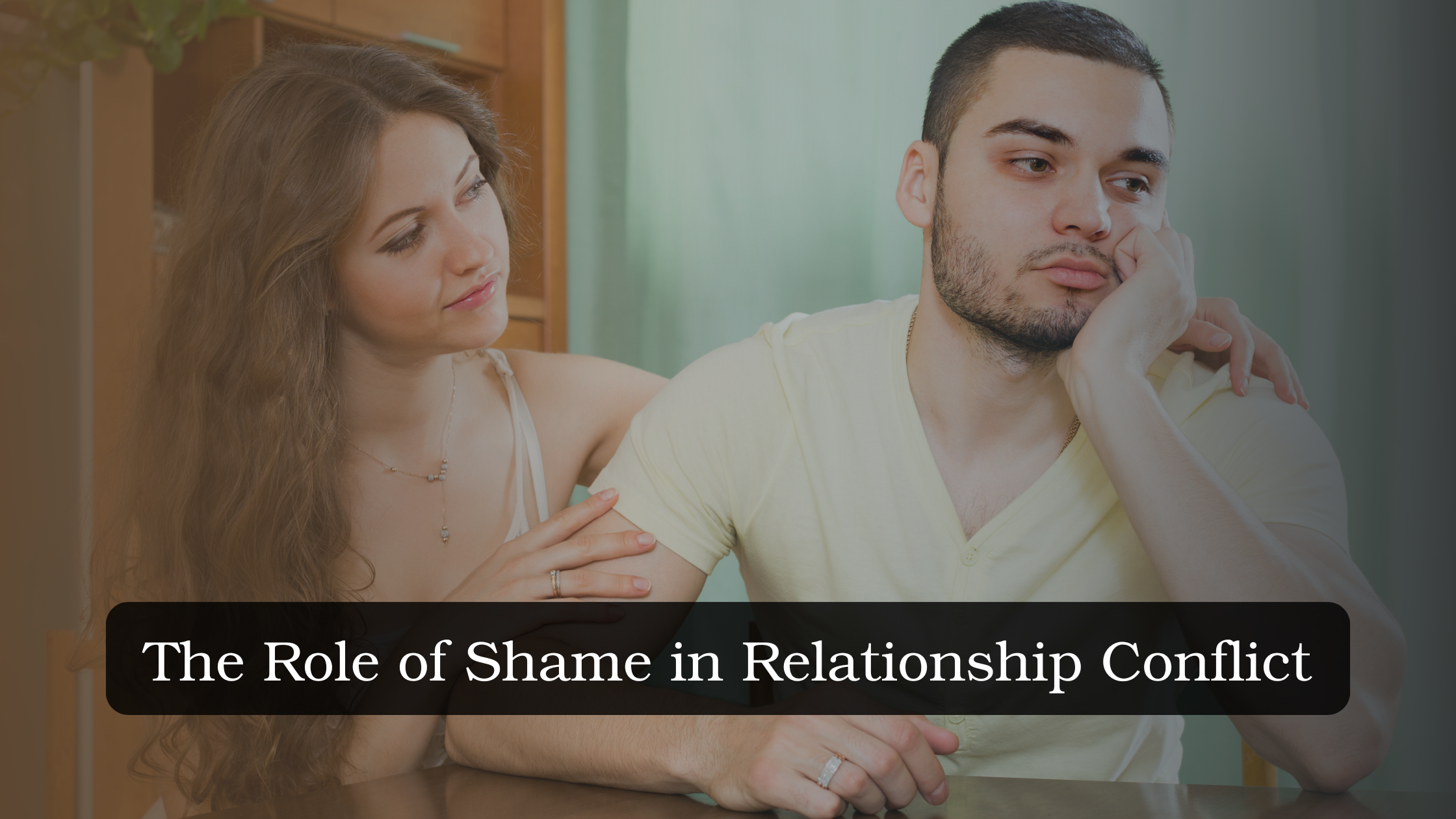
The Role of Shame in Relationship Conflict
Every couple argues. Disagreements may involve finances, parenting, intimacy, household responsibilities, or busy schedules. But sometimes, the issue creating tension is not the real source of the conflict. A deeper emotional experience may be influencing how both partners respond.
One of the most overlooked emotions in recurring relationship conflict is shame. Unlike anger or sadness, shame rarely announces itself directly. Instead, it can appear as defensiveness, criticism, withdrawal, perfectionism, or emotional numbness. A simple conversation about a forgotten anniversary can suddenly become an argument about whether someone is a good partner.
In his work with individuals and couples across Los Angeles, Dr. Harel helps clients recognize the emotional patterns beneath communication difficulties. Understanding how shame affects conflict can help partners respond with greater awareness, emotional safety, accountability, and compassion.
What Shame Actually Means in a Relationship
Shame and guilt are often treated as the same emotion, but they affect relationships differently.
- Guilt focuses on behavior.“I did something wrong.”
- Shame focuses on identity.“There is something wrong with me.”
This distinction matters because guilt can encourage accountability and repair, while shame often creates a need for self-protection.
For example, imagine someone forgets an important family event.
With guilt, they might think:“I made a mistake. I hurt my partner, and I need to make it right.”
With shame, the thought may become:“I am a terrible partner. I always disappoint people.”
The second response can make an apology much harder because the person is no longer simply dealing with an action. They are confronting a painful belief about their worth.
Where Shame Begins Long Before Adult Relationships
Shame does not necessarily begin within a romantic relationship. For many people, it develops through experiences that shape how they understand themselves.
Someone may have grown up in a home where mistakes were met with harsh criticism. Another person may have learned that approval depended on achievement, perfection, or meeting high expectations. Bullying, rejection, emotional neglect, constant comparison, or repeated experiences of failure can also contribute.
Over time, these experiences may create beliefs such as:
- “I am not good enough.”
- “I disappoint people.”
- “I have to be perfect to be loved.”
- “If people really know me, they will reject me.”
- “Making mistakes means I have failed.”
These beliefs can remain outside awareness for years.
Close relationships can bring them back to the surface.
A partner’s disappointment may feel like rejection. Constructive feedback may feel like proof of inadequacy. A disagreement may activate emotions that began long before the current relationship.
The present conflict is real, but the emotional reaction may contain more history than either partner realizes a dynamic explored further in how childhood experiences affect adult relationships.

How Shame Changes the Way Couples Communicate
Communication can become difficult when shame enters the conversation because the goal unconsciously shifts from understanding to protection.
Imagine one partner says:“I feel unsupported because I’ve been handling most of the household responsibilities.”
They may be asking for empathy and cooperation.
The other partner may hear:“You’re failing as a partner.”
That interpretation can trigger an immediate defense.
They may begin listing everything they have done recently. They may explain how busy work has been or point out responsibilities their partner has neglected.
Soon, both people are arguing about facts.
The original emotional concern—feeling unsupported—gets lost.
This pattern is common because shame can make even reasonable feedback feel threatening when it touches a person’s sense of identity.
Instead of hearing, “This behavior is hurting me,” they may hear, “You are a bad person.”
When shame takes over, connection can become harder because each partner is trying to protect themselves instead of understanding each other.
Why Shame Often Looks Like Anger
Anger is often the most visible emotion during relationship conflict, but it is not always the deepest one.
Underneath anger may be:
- Fear
- Hurt
- Embarrassment
- Rejection
- Sadness
- Insecurity
- Shame
For some people, anger feels safer than vulnerability.
Consider someone who becomes extremely angry whenever their partner points out a mistake.
On the surface, it may look like they simply cannot accept criticism.
But underneath, the criticism may reinforce an old belief:
“I am not good enough.”
Instead of saying:
“That made me feel inadequate.”
they may say:
“You’re always criticizing me.”
Anger creates distance from painful emotions. Shame requires facing them.
Without recognizing this pattern, couples may spend years trying to control anger without understanding the emotional experience underneath it.
The Hidden Connection Between Shame and Defensiveness
Defensiveness is one of the most common ways shame appears during conflict.
When people feel emotionally exposed, they may instinctively try to protect themselves instead of staying open to what their partner is saying.
Defensive responses can include:
- Explaining intentions instead of acknowledging impact
- Bringing up a partner’s mistakes
- Minimizing the concern
- Denying responsibility immediately
- Shifting blame
- Becoming sarcastic or dismissive
These reactions can quickly make conflict worse.
One partner raises a concern. The other becomes defensive. The first partner feels even more unheard and becomes more frustrated. The second partner feels increasingly attacked and becomes more defensive.
The cycle continues often resembling the pursuer-distancer cycle once withdrawal sets in on either side.
Recognizing defensiveness as a possible response to shame can change how couples understand these moments. It does not excuse hurtful behavior or remove responsibility. It simply helps identify what may be happening beneath the reaction.
How Shame Creates Emotional Distance
Shame can affect more than arguments. It can also influence emotional intimacy.
Someone who carries a strong sense of inadequacy may worry that being fully known will eventually lead to rejection. They may hide insecurities, avoid vulnerable conversations, or try to appear confident and capable even when they are struggling.
Over time, emotional distance can develop.
One partner may feel lonely because meaningful conversations rarely happen. The other may feel exhausted from constantly trying to appear strong.
Neither person feels fully understood.
This can be particularly difficult in demanding environments such as Los Angeles, where careers, responsibilities, and busy schedules can already limit opportunities for connection.
What looks like emotional unavailability may sometimes be emotional self-protection.
Signs Shame May Be Influencing Your Relationship
Because shame is rarely expressed directly, it often appears through behaviors and communication patterns.
Some common signs include:
- Becoming highly defensive when concerns are raised
- Feeling personally attacked by constructive feedback
- Finding it difficult to admit mistakes
- Struggling to apologize
- Withdrawing during difficult conversations
- Frequently needing reassurance about being loved
- Having difficulty accepting compliments
- Becoming extremely self-critical
- Feeling intense embarrassment over small mistakes
These signs do not automatically mean shame is influencing a relationship.
However, when several occur repeatedly, it may be worth exploring whether deeper beliefs about worth, rejection, or inadequacy are affecting a recurring relationship pattern.
Awareness can be the first step toward changing the pattern.

How Couples Can Reduce the Impact of Shame
Shame tends to grow when people feel judged, rejected, or emotionally unsafe. It can become easier to manage when couples create space for both accountability and compassion.
One helpful starting point is separating behavior from identity.
Instead of:
“You’re selfish.”
Try:
“I felt hurt when this happened.”
Instead of assuming what a partner’s reaction means, ask about their experience an approach rooted in curiosity.
Helpful questions may include:
- “Can you help me understand what you heard when I said that?”
- “What feels most difficult about this conversation?”
- “Is there something underneath this reaction that we haven’t talked about?”
These questions can create room for understanding rather than immediate defense, one of several fair fighting rules for couples worth practicing here.
At the same time, compassion does not mean excusing harmful behavior. A partner can acknowledge someone’s emotional pain while still holding them accountable for their actions.
How Dr. Harel Helps Couples Address Shame
Shame can operate beneath conscious awareness, which makes it difficult for couples to identify on their own.
They may believe they have a communication problem when deeper beliefs about rejection, inadequacy, or worth are influencing the way they respond to one another.
In his Los Angeles practice, Dr. Harel helps individuals and couples explore the emotional patterns beneath recurring conflict. Therapy can provide a structured environment where partners slow down conversations and examine what happens when they feel criticized, misunderstood, or emotionally exposed.
This work may include:
- Identifying assumptions that intensify conflict
- Exploring emotions beneath defensive reactions
- Understanding recurring relationship patterns
- Practicing communication without accusation
- Learning to acknowledge impact without excessive self-blame
- Building greater emotional safety and understanding
Therapy does not eliminate disagreement. Instead, it can help couples understand what happens during disagreement so they can respond differently this is why couples therapy can help even outside of a crisis.
With greater awareness, partners can begin working together against the pattern rather than treating each other as the problem.
Final Thoughts
Many relationship conflicts appear to be about everyday issues such as chores, finances, parenting, communication, or forgotten responsibilities. But underneath these disagreements, there may sometimes be a deeper emotional question: “Am I enough?”
When shame enters a relationship, ordinary feedback can feel like a judgment of someone’s entire identity. Partners may become defensive, angry, critical, or withdrawn—not necessarily because they want to create distance, but because they are trying to protect themselves from painful feelings.
The encouraging part is that shame does not have to determine how a couple communicates. When partners learn to recognize what is happening underneath defensiveness, they can respond with greater curiosity, empathy, accountability, and emotional honesty.
Healthy relationships do not require people to be perfect. They require enough safety for both partners to make mistakes, acknowledge them, repair harm, and remain connected while difficult emotions are present.
Frequently Asked Questions
Yes. Shame can make ordinary disagreements feel like attacks on a person’s character. This may lead to defensiveness, withdrawal, or anger, causing couples to repeat the same conflict without addressing the deeper emotional pattern.
Guilt generally focuses on behavior: “I did something wrong.” Shame focuses on identity: “There is something wrong with me.” Guilt can encourage repair, while shame may trigger self-protection and defensiveness.
Anger can sometimes protect against more vulnerable emotions such as embarrassment, inadequacy, fear, or shame. This does not mean every angry reaction is caused by shame, but exploring what the feedback means to your partner may reveal something beneath the anger.
Yes. Someone who feels deeply inadequate may avoid vulnerability because they fear judgment or rejection. Withdrawal can become a way of protecting themselves from feeling exposed, even though it may leave their partner feeling disconnected.
Use language that focuses on experiences and behaviors rather than character. Statements such as “I felt hurt when this happened” are generally less threatening than labels such as “You’re selfish.” Asking questions and allowing each partner time to respond can also reduce defensiveness.
Yes. Couples therapy can help partners identify recurring patterns involving defensiveness, criticism, withdrawal, and emotional protection. With professional guidance, couples can explore the experiences beneath these reactions and develop healthier ways to communicate, take responsibility, and repair conflict.

Harel Papikian
Dr. Harel Papikian is a clinical psychologist and couples therapist with more than 15 years of experience. He offers marriage counseling and couples therapy in los Angeles. It help’s couples navigate their relationship challenges and deepen their connection. Our clinic uses a unique ARM method (Awareness, Release, Mastery) to achieve rapid and profound results for our clients. We serve a diverse clientele, including LGBTQ+ and heterosexual couples, addressing issues like communication breakdowns, conflict resolution, intimacy, and trust. You can also get individual therapy sessions for concerns like depression, anxiety, and trauma.
Leave a Reply